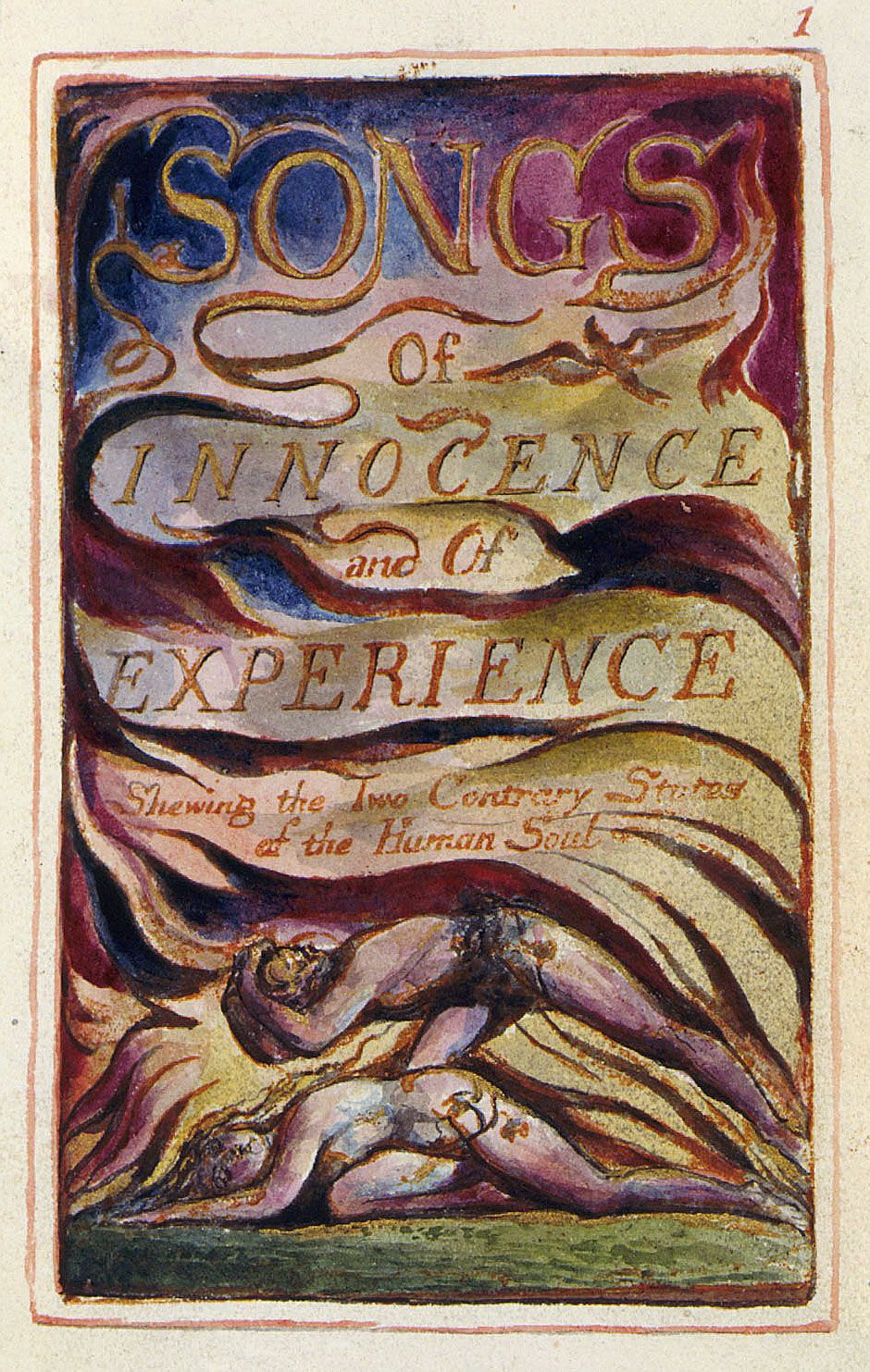
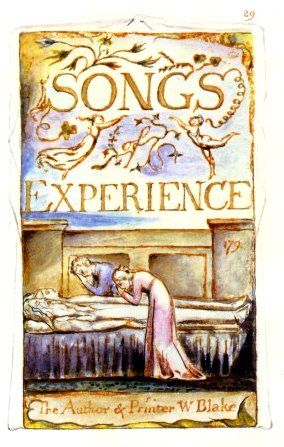
Songs of Innocence and Songs of Experience demonstrate both the contrary states of innocence and experience and Blake's social criticism.
The "Romantic period" that spans from 1798 to 1822 is an era of great social and political upheaval, which characterized by industrialization and the French revolution. Following these two main phenomena many changes in the fields of economy, politics and religion were occurred and it became a major point of discussion by the romantic age poets like Wordsworth, Blake, Keats and Shelly. They brought out the negative consequences of urbanization, degradation of nature, exploitation, institutionalization and so forth. As a result of changing of the economic system from feudalism to capitalism, workers started to migrate to cities looking for jobs in factories. This caused inadequate wages, long hours of work under harsh disciplines, and the large-scale employment of women and children for tasks, which destroyed both the body and the spirit. Workers had no vote and there were no laws to prevent the factory owners from exploiting helpless workers. They were paid only a small wage, just to make them survive. Long hours of work, dirty dwelling, absence of facilities for recreation, led to gradual erosion of human values.
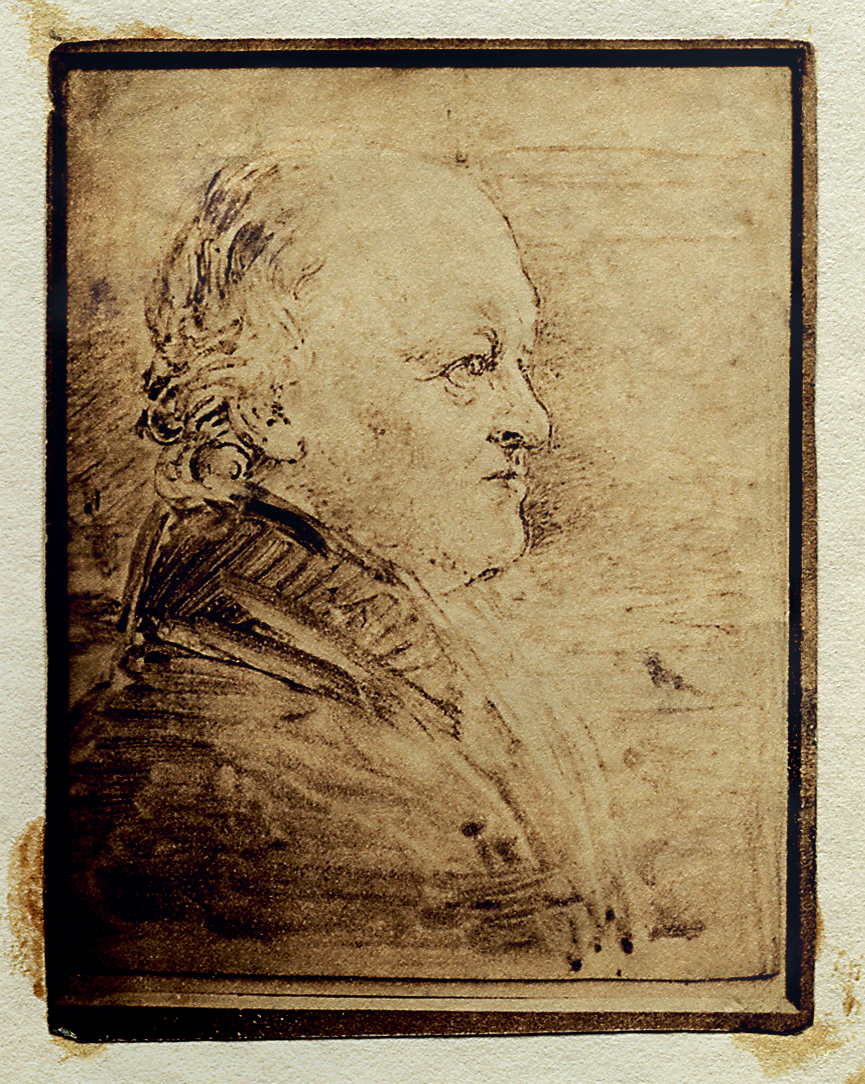
William Blake who is recognized as one of the main poets of this era, addresses several phenomena of this period through his poetry. The poetry of William Blake is renowned for its critique of society and injustice as well as expressing strong religious influences. Songs of Innocence and Songs of Experience were written concerning the destiny of the human spirit and the differences between how children and adults look at a particular event in two different viewpoints. The poet stands outside of these viewpoints recommending neither and thus paving a way to readers to understand the realistic nature of society through contradiction. Songs of Innocence were originally engraved on illustrated plates in 1789. They were mostly joyful and sweet lyrics creating...
More Poetry
essays:
A detailed study of William Blake's 'Songs of Innocence and Experience' in relation to the principles of the pastoral convention.
... this intriguing poet. Blake's usage of the pastoral reveals a writer assumingly driven by idealism and romantic notions ... existence and implicitly condescending the misery and corruption of civilized urban existence. The shepherds of classical and Renaissance pastoral are poor and humble, and therefore ...
Tiger and Lamb in "Songs of Experience" and "Song of Innocence" by William Blake.
... men are equal because all possess the Divine imagination, any political or theological system that denies this fact is tyrannous."() This is saying that ...
A comparison of Blake's treatment of his subject in "Songs of Innocence" with that in "Songs of Experience".
... of Experience". William Blake is a poet of the Pre-Romantic era. He is one of the poets who set the path for Romanticism, where poets emphasized on emotions, they believed in the power of imagination and experimented with new ideas ...
An anyalysis and response of William Blake's "The Book of Thel" and a short commentary on Blake's everpresent theme of innoccence vs. experience.
... spring, born but to smile & fall" (1.6-7)? Thel questions elements of nature, like the Lilly of the Valley and the Cloud, that are beautiful but have temporary lives. Yet each understands that the transitory nature of beauty is necessary ...
Analysis of William Blake's Poems "A Divine Image" and "The Human Abstract"
... a falsely isolated and consequently fallen world" (31). Although Blake would later develop a mythological system to convey his ... be called Mystery." The speaker also adds that "the Caterpillar and Fly," which Blake uses to symbolize "organized religion", feed on this Tree (Gleckner 38-39). In the fifth ...
Write a sustained close analysis of 'Kubla Khan' paying attention to both the form and content of the poem.
... famous and puzzling poems of the Romantic period. Moreover, it's unity of prophecies, myths and sacred ... poem could be said to express the failure of the French Revolution, as this was a cause that was close to Coleridge ... including politics, religion, drug addiction, mythology, psychology and the ...
Discuss the differing responses of Blake and Wordsworth to the Cult of Reason
... the politics of the writers, whose early poetry supports the revolution. Both Wordsworth and Blake were initially supporters of the French Revolution in ...
Blake's "The Clod & the Pebble" - Innocence Vs Experience.
... ease. Where there is "Hell" due to sufferings, conflicts and turbulent periods, the true and unselfish love is able to build a "Heaven ... to decide which viewpoint represents him, always according to his age, experiences in life and personality. WORKS CITED Blake William, "The Clod & the Pebble" (1794 ...