Soul, Body, and Augustine's and Machiavelli's Views on Human Nature
Machiavelli insists that he sees men as they really are rather than we might wish men to be (XV, p. 62). Augustine also depicts how men actually live in the City of God. How are Augustine's and Machiavelli's understandings of human nature similar to and different from each other? How does these differences affect their political philosophy? Augustine and Machiavelli are similar in their pessimistic views toward human nature, looking at human self-love and self-interested, full of evil, cruelty, betrayal, violence and war. Yet the two views are different fundamentally. Augustine thinks that men are not evil by nature but by their choice of disobedience to God, but Machiavelli believes that men are naturally sinful. For Augustine, love of self rather than God is driven by soul, by placing self ahead of God. By contrast, Machiavelli thinks that evil is maintained by self-interest, which is due to the insatiable lust of body.
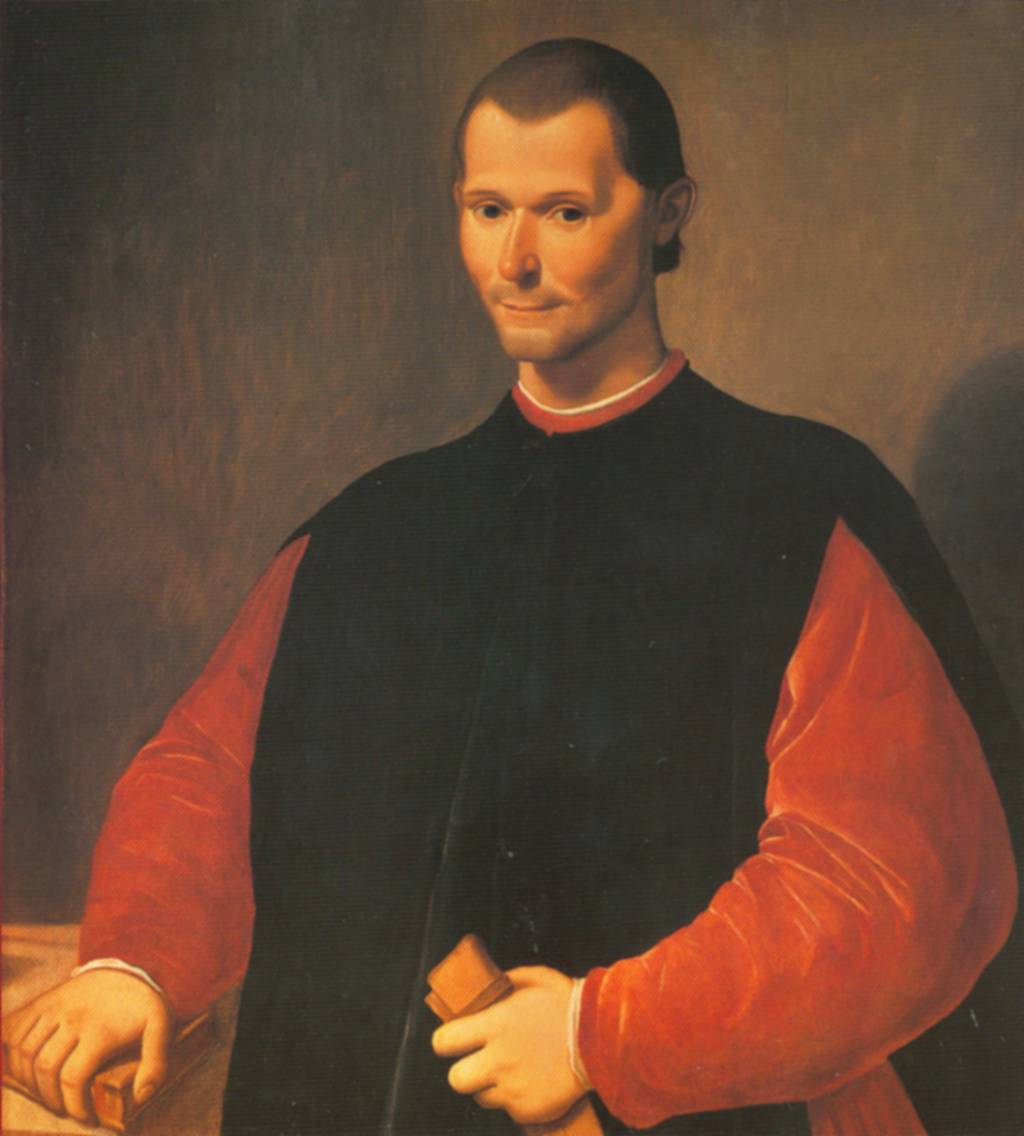 Famous posthumous portrait of Niccolò Machiavelli...
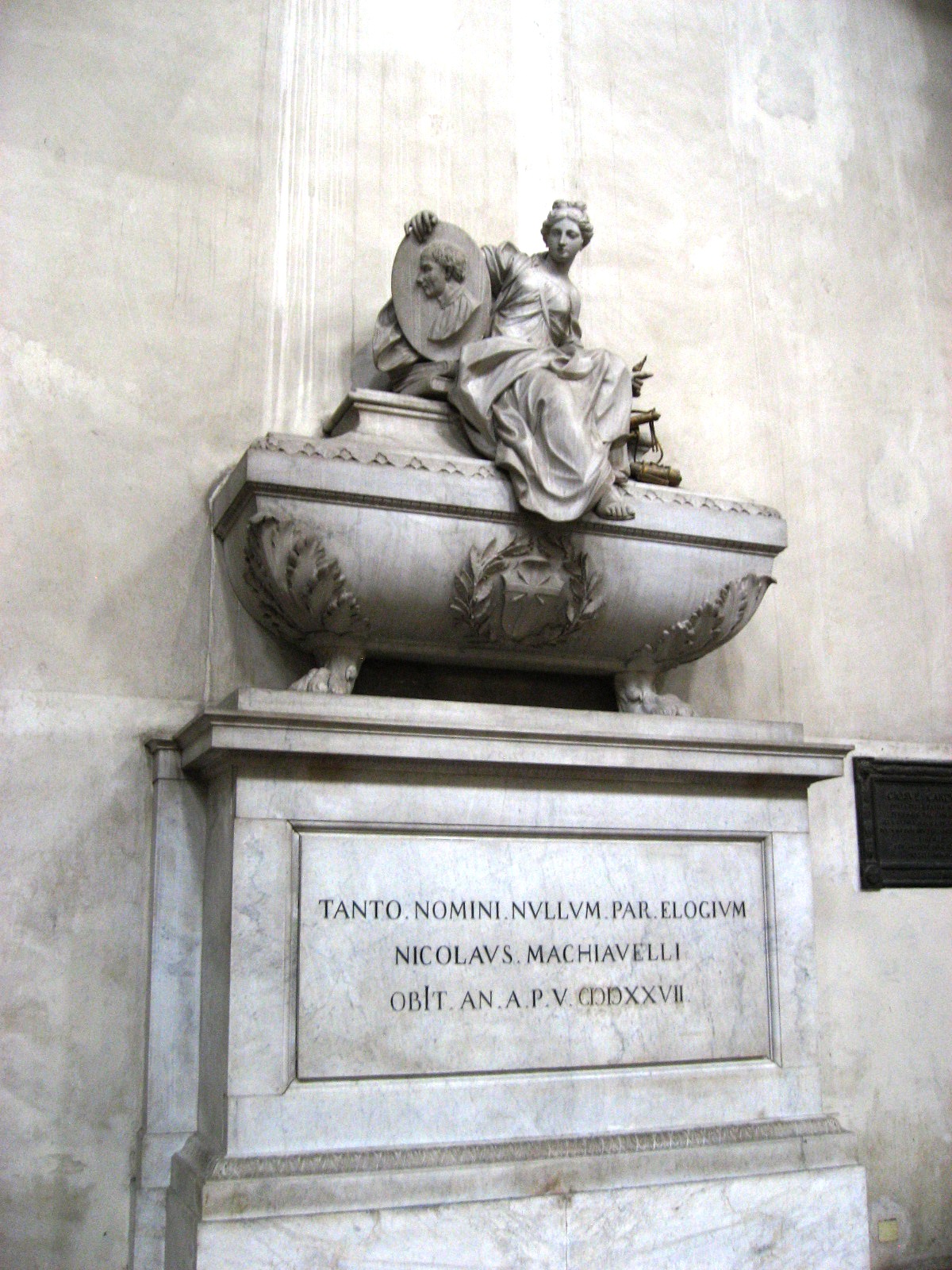 English: Tomb of Niccolò Machiavelli in the Basil...
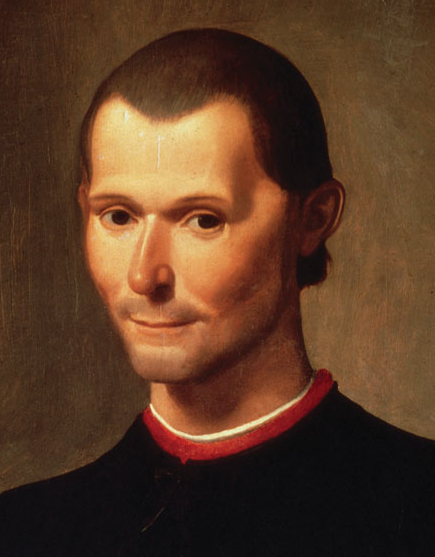 Santi di Tito’s famous portrait of Niccolò Mach...
However, They both acknowledge that moral obligations do exist in human beings. Because of their different views of the cause of evil, Augustine and Machiavelli achieve their peace in different ways.
In order to compare the philosophy of the two thinkers, we need to examine their views. Augustine claims that "no one is evil by nature" (p. 590) because all people are created by God in His own image, and God is by no means evil, nor will He make anything evil. One is evil because of some fault, namely, living according to man instead of God. Moreover, contrary to many classical philosophical thoughts, Augustine thinks that of the two parts of self, soul and body (p. 206), soul is the cause of evil. It is not the flesh of body that makes people sin, but...
Very insightful!
This is a very insightful piece. I think you have depicted the Machiavellian view flawlessly. You could also mention Maslow and his proposals for human values as a basis for Maslow's hierarchy of needs. A great essay!
2 out of 2 people found this comment useful.