Sputnik 1 orbited the earth for 57 days before the gravity of earth pulled it from space Sputnik was an experiment to show that artificial satelites could be made.Today thousands of srtificial satellites orbit the earth the natural satellite completes one orbit a month.Present day communications satellites transmit radio and television programs to locations around the world.Sputnik was an unmanned Soviet satellite that orbited the earth on 4 October 1957. The kerosene-powered Sputnik weighed 84 kb (184 pounds), travelled at over 28,000 kilometers per hour (17,000 miles per hour) and continued to orbit until 4 January 1958. Although it did little more than transmit a monotonous beep, the successful orbit of the beachball-sized satellite became a seminal moment in the 20th century.
Since there are currently thousands of satellites orbiting in the skies above, it is difficult to realize how earth-shattering the Sputnik actually was. To begin to understand it's impact, we need to consider the context in which it existed.
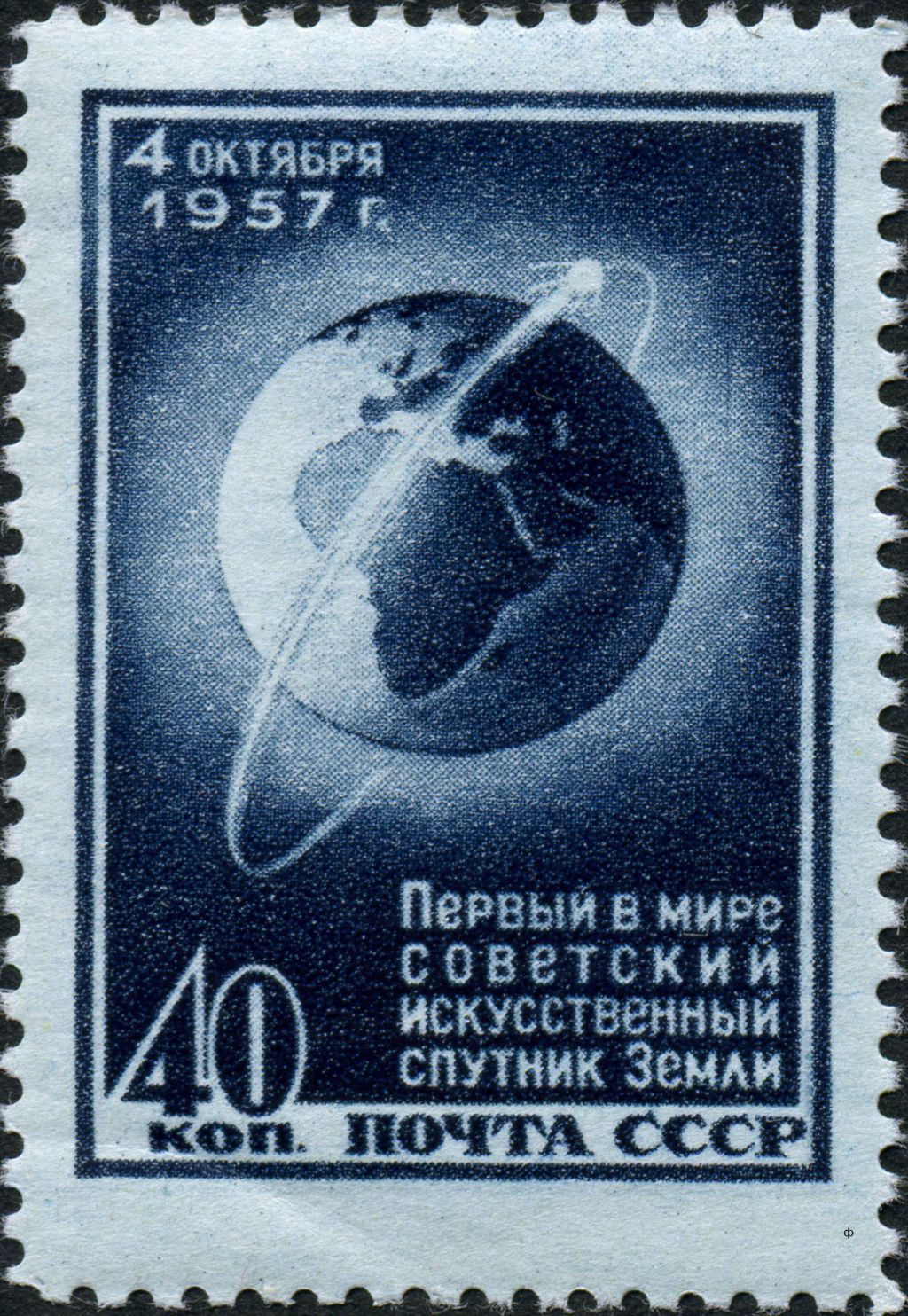 USSR postage stamp depicting the communist state l...
 Soviet Railways Container - 1
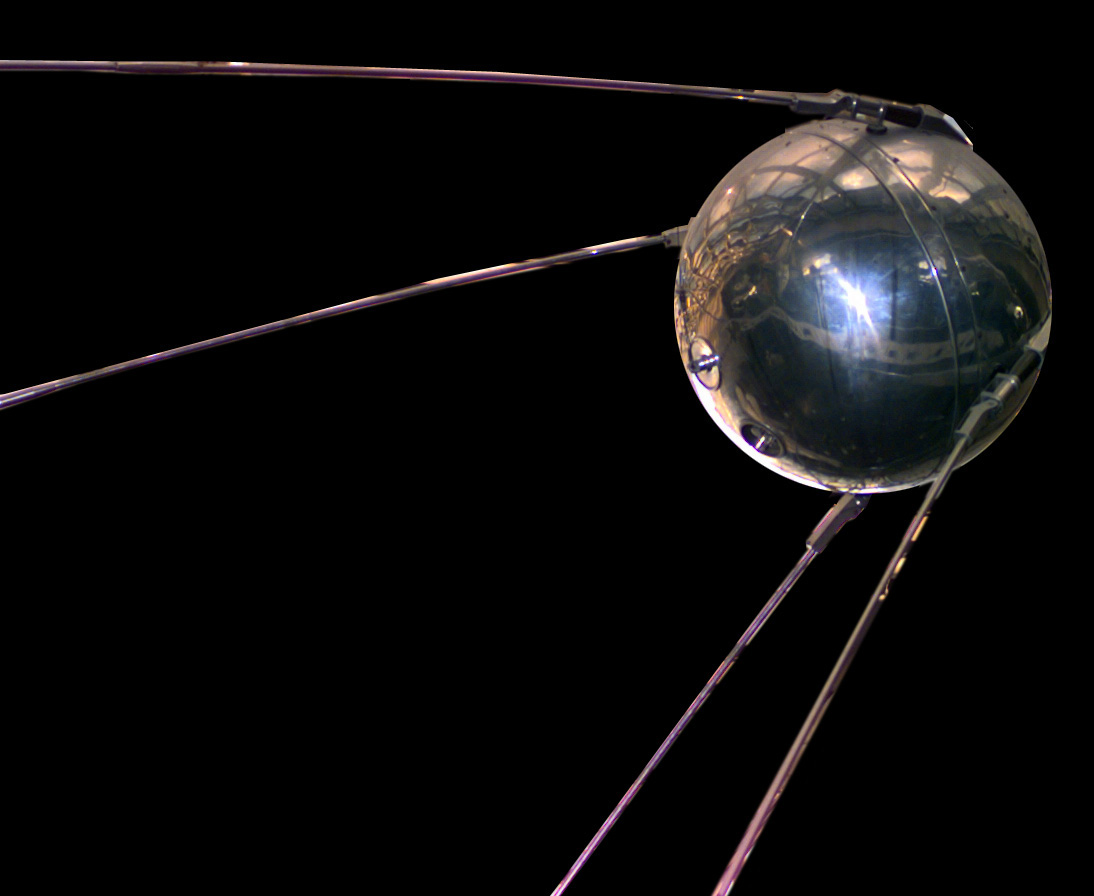 English: A replica of Sputnik 1, the first artific...
In 1955, the U.S. announced plans to create a satellite program that eventually became the Vanguard project. The progress of the Vanguard program, however, was slow and frustrating. Just as basic rocket testing was yielding some results, the world was informed about the Sputnik successfully orbiting the earth! The United States space program was in its infancy, and the Soviets had not only launched but achieved earth orbit!
Much of the impact was due to the secrecy; although some members of the intelligence community knew of the advanced status of a Soviet satellite program, the general public was caught completely off-guard. To most Americans, the thought that the Soviets could launch something in space that could fly over anywhere in the world, was terrible unsettling and frightening. The "beep, beep" of the Sputnik added greatly...
Sputnik
this is about the Sputnik satellite from the movie October Sky
1 out of 2 people found this comment useful.