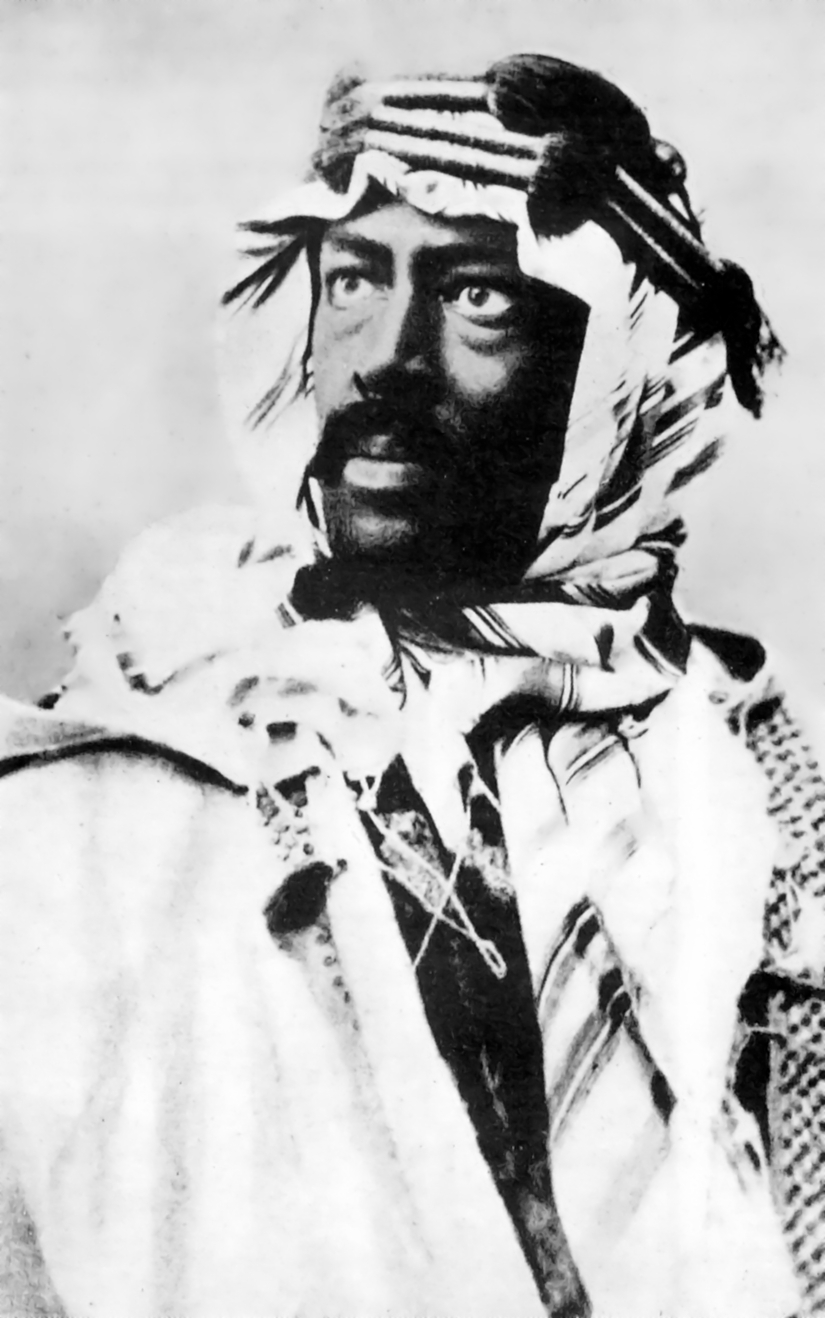
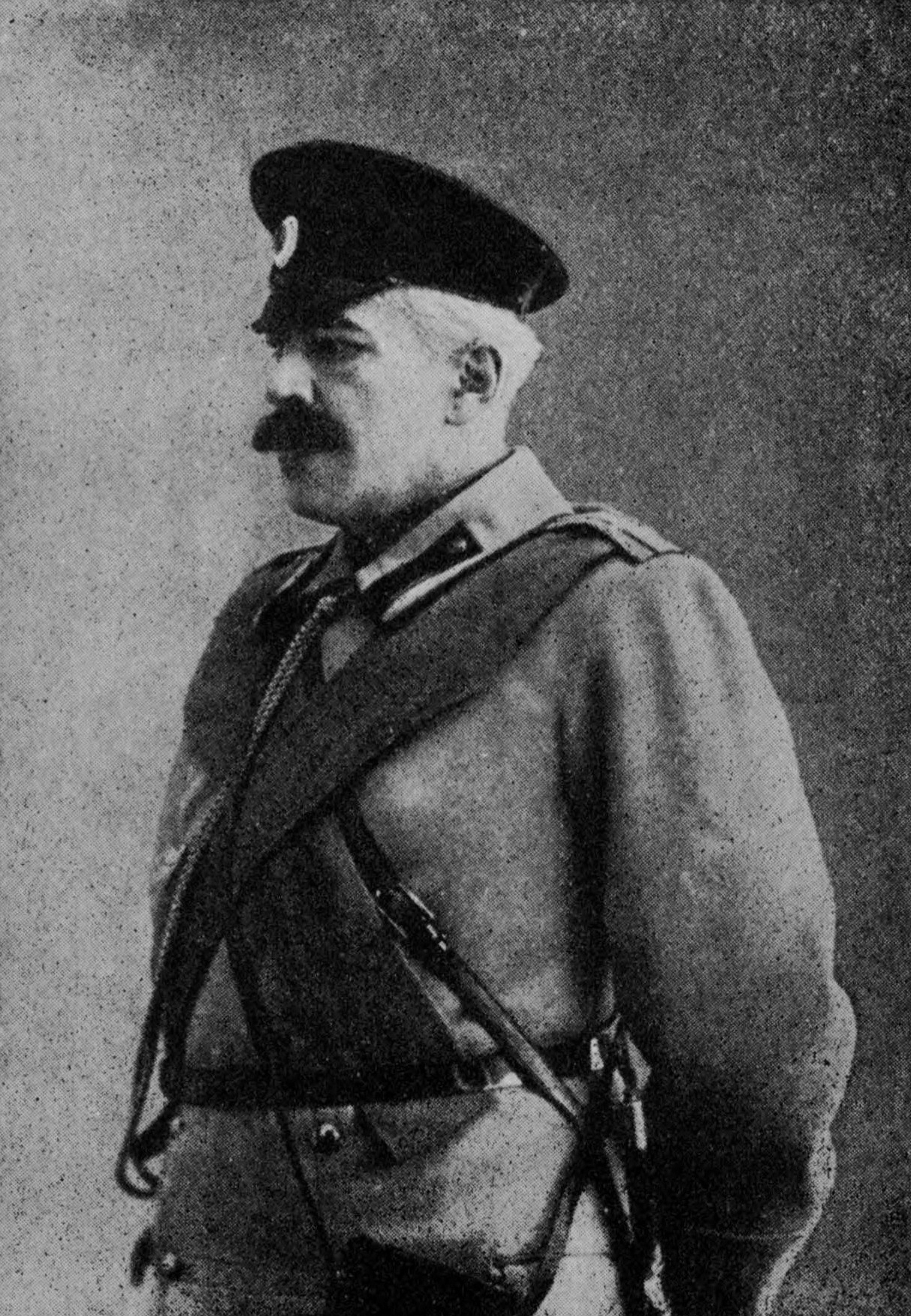
Stanislavski's Theoretical System.
Konstantin Sergeievich (Alekseiv) Stanislavski was born to a family of wealthy industrialists and in 1881 began his service in the family firm, but soon his captivation with the theater overcame him. His first stage appearances date back to 1877: he played in dramas, comedies and operettas at the Alekseiv amateur theater built on his family estate, and took plastics (stage movement) and vocal lessons from Moscow's best teachers. 1884 marks the public debut of Konstantin Stanislavski--a name he adopted from a Polish Ballerina in hope of keeping his theater aspirations hidden from his family. In 1888 Stanislavski, jointly with Komissarzhevski and Sollogub, founded the Moscow Society of Arts and Literature, while still being forced to work in the family business. It was here that Stanislavski initially tested himself as a stage director. After his father's death in 1893 he was able to free himself from the binds of the family business and totally dedicate himself to the theater.
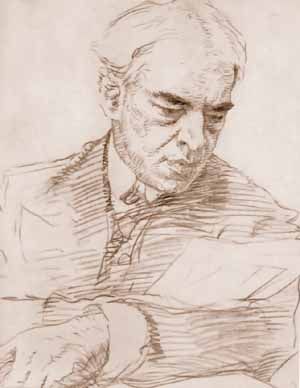
Although Stanislavski died in 1938, his theories of "method acting" which are explained in his three books "An Actor Prepares", "Building a Character" and "Creating a Role" are still one of the greatest influences in the world of performance today.
The most fundamental principle of Stanislavski's teaching is that the actor must live the life of the character that he is portraying, he must learn to think like the character and behave as the character would, therefore the portrayal is not confined to the performance but will, to some degree, begin to overlap into the actor's own life. This, he asserts, is the only way to achieve total realism and, to reinforce this, the actor must also extend this exercise of imagination to encompass the costumes that he wears, the articles that comprise the set and the props that are used. If...
More Drama
essays:
Constantin Stanislavsky and "method acting".
... use. Konstantin Stanislavski unequivocally challenged traditional notions of the dramatic process, establishing himself as one of the most pioneering thinkers in modern theatre. Stanislavski coined phrases such as "stage direction ...
"What are the basic tenets of Realism and Naturalism? why are Stanislavski's System and Chekov's plays perfect vehicles for them?
... drama. Konstantin Stanislavski felt that same need for reality on the stage. He ... in a theatre, and believe on the contrary that this family truly exists and that they are in real life . . ." That was Stanislavski's goal for his actors. That was the ultimate peak ...
Explain how you have used Stanislavski's methods in the performance of a scene from The Doll's House also mention the the the role of the male and female of the times.
... These formulas were invented by a Russian actor/playwright called Konstantin Stanislavski. Thanks to his idea of Realism I was proficient to ... or appearance we can get almost everything out of out role. An actor when in their amateur stage might ...
Trace the heritage of Stanislavski through the work and research of Grotowski.
... just repeat what he had already discovered.' Jerzy Grotowski and Konstantin Stanislavski both dedicated their lives to research on craft. They worked ...
"No Sugar" by Jack Davis and 7 Stages of Grieving by Debrah Mailman and Wesley Enoch- How do these reflect both social and cultural issues in Australia?
... projected on, followed by " nothing... I feel Nothing." At this stage, the cry "subsides". This sort of simultaneous use of visual and aural devices appears throughout the play and is one of the key achievers ...
O’Neill’s The Hairy Ape And Williams’ A Stre
... contrast between the two classes on the ship. Yank’s appearance is defined by the stage directions as “broader, fiercer, more truculent, more powerful, more sure ...
In his play 'The Trial' Berkoff attempts to create a nightmarish feel. Describe how you would create this feeling on stage with the use of the 'chorus of 9 people waiting'.
... tones of voice to make the number of people on stage appear exaggerated was heavily incorporated into a one man play called ... striking of these features and I feel that as a director this nightmarish aspect is key to the success of the ...
"The Physicists"
... the director's approach to the play. I think that the director wanted the stage to ... and looking at the set and props and how the plastic rooms absorbed the lighting. The performance itself was exceptional, especially ...