The Stanislavski System (basis of Method acting)
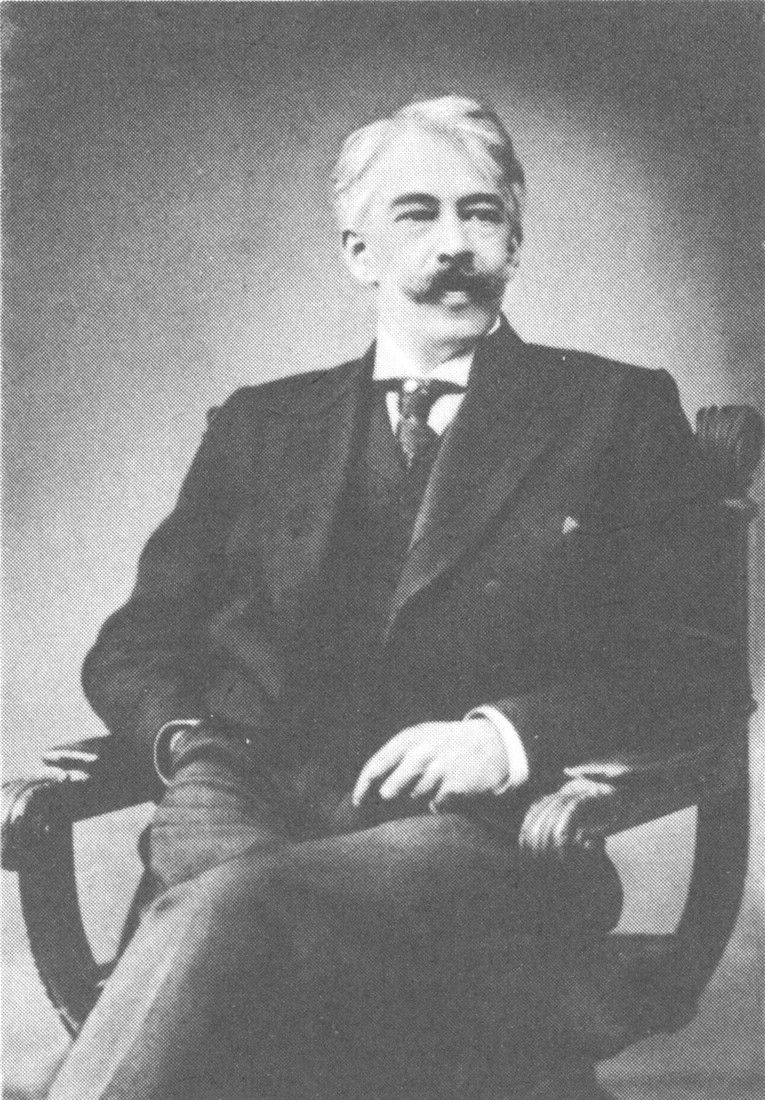
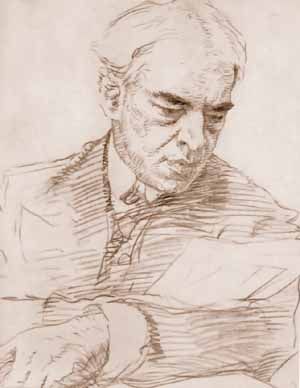
Constantin Stanislavski (1863-1938), a Russian actor and director, devised a system which would allow an actor to "make the audience suspend their disbelief and believe utterly in the character on stage" by way of hard work and constant study. His System, the basis of the American "Method", is built around the theory that to completely deceive the audience, the actor must suspend their own disbelief and onstage become the character they are portraying. This he claims is made possible by training the actor, analysing the script, answering the Fundamental Questions and using creative imagination - the "Magic If".
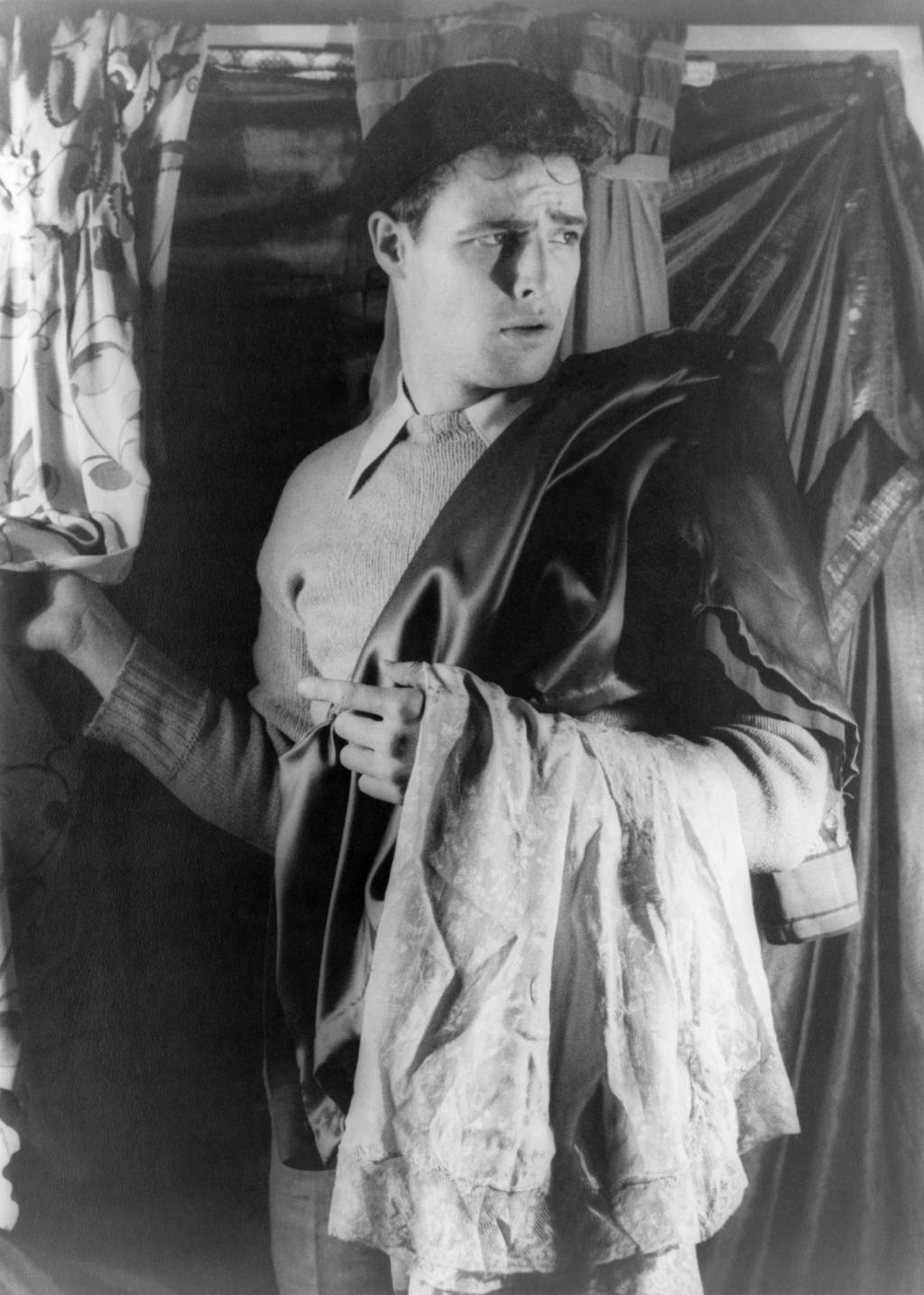
The actor must train their body and voice, as even the strongest emotions can be conveyed by carefully judged, subtle movements. They must be strong and flexible if they are to respond to all the demands of the role, as physical movement and control is the key to an accurate representation. One such example is Marlon Brando, who in preparation for the stage (and later film) production of Tennessee Williams' "A Streetcar Named Desire" underwent a rigorous and demanding physical regime and diet, in order to best represent the chauvinistic, aggressive Stanley.
Concentration, both mental and physical, is also extremely important under the System as it leads to a state of heightened awareness. In Drama class, I applied the `circles of attention' exercise, in which I focused on one spot on the ground and then slowly widened my focus until I was super-aware and conscious of the room. The actor must be an acute observer, so that they can act and react genuinely, creating the illusion of reality.
In An Actor Prepares, Stanislavski states "The actor must first of all believe in everything that takes place onstage, and most of all, he must believe what he himself is doing. And one can...
More Drama
essays:
Explain how you have used Stanislavski's methods in the performance of a scene from The Doll's House also mention the the the role of the male and female of the times.
... a Russian actor/playwright called Konstantin Stanislavski. Thanks ... see, on the stage, to listen and to hear." Action Onstage. What? Why? How? An important principle of Stanislavski's system is that all action onstage must ...
Compare and contrast Brecht and Stanislavski's notions of acting and the role of the actor in the theatre
... the actor would believe in what takes place on stage through the power of imagination. Stanislavski called it 'unconscious creativeness through creative technique ... An Actor Prepares, Constantin Stanislavski (1937) 1986 Methuen ·Brecht on Theatre ...
Constantin Stanislavsky and "method acting".
... as fundamental to both the training and the performance of actors and actresses who want to create believable characters on stage. We might assume that believable acting is simply a matter of being natural; but Stanislavski discovered ...
Trace the heritage of Stanislavski through the work and research of Grotowski.
... the fundamental difference between Stanislavski's 'method of physical actions' and his own work, lies in the question of the impulses. Stanislavski worked on physical ...
Stanislavski's Theoretical System.
... as fundamental to both the training, and the performance of actors and actresses who want to create believable characters onstage. We might assume that believable acting is simply a matter of being natural; but Stanislavski discovered ... built on his family estate, and took plastics (stage movement) and ...
Method Acting
... character on stage. The goals are the same for both methods, that is to make the character become alive on the stage, to let the audience experience ...
How does Feste's song from Act 2 Scene 3 of Shakespeare's 'Twelfth Night' relate to the themes and characters of the play?
... for a song. Each verse begins with an attention-grabbing question, which is then answered later on. For example, references to love include, 'O stay and hear, your ... some jokes with Sir Toby and Sir Andrew, who are both by this stage very drunk. Sir Toby requests a song from Feste, and this is ...
In his play 'The Trial' Berkoff attempts to create a nightmarish feel. Describe how you would create this feeling on stage with the use of the 'chorus of 9 people waiting'.
... and tones of voice to make the number of people on stage appear exaggerated was heavily incorporated into a one man play ... though they were drawn to him. I would want their movements to be fluid and quite feline. When speaking I would ...