Students vary in many ways. There is something special about every student. Teachers should learn more about the different personality's of each student. There are three types of personalities: brave, shy, careless.
The brave students are those who ask questions? They get far in life because they are not afraid to find out what they want to know. Most of them are smart. They enroll in honor classes trying to prepare themselves for the real world and to be the valedictorians in their high schools. The position if class president is always in their vocabulary. They make great presidents. Brave people ask the opinions of others, trying to make a better way for their class. Teachers adore brave students. After reading a story, she asks the famous question, "What was the story about?" It's quite for a second. It will not be long before the brave person answers the question.
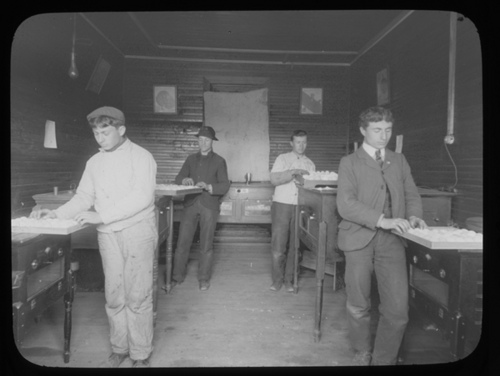 Students in the incubation room at the Woodbine Ag...
 Betonwerksteinskulptur "Lehrer-Student" von Reinha...
 Students of Nan Hua High School gathering in the S...
Another day saved be the brave person.
Shy students are nice, and when people get to know them, they become good friends. Scared to ask for help, they tap on shoulders and ask questions because they are afraid that people might laugh. Some are in honor classes and few of them are valedictorians. The dance, prom, and high school clubs are not very interesting to them. Even if they wanted to go, they still wouldn't go because they would worry about negative things people would say. Teachers love shy people. They do not have trouble with them and teachers do not call on them because they know they will not respond. When the teacher goes to a different person, the shy student is relieved once again because they did not have to answer a question.
Careless students are, "laid-back" people who really do not care about themselves or...
Really interesting piece...
...but i think you need to support the idea that "there are three types of personalities: brave, shy, careless." I didn't find this idea very convincing at all, as you just asserted the idea but didn't reinforce it.
6 out of 6 people found this comment useful.