Tacitus Cornelius, born during the reign of the emperor Nero, gives us a grim and cynical narration of Roman history. Despite his political success, he lamented a century's worth of continually reduced aristocratic power. It is from this bias that he describes the reigns of the Julio-Claudian emperors in the "The Annals of Imperial Rome". Though in the early parts of the text Tacitus claims to be an impartial judge, "I shall write without indignation or partisanship: in my case the customary incentives to these are lacking", (Tacitus, pg 32), it is obvious from his style and his political views that the text was hardly unprejudiced.
This paper focuses on Tacitus's interpretation of the morals and motivations of the Roman emperors. Through descriptions of the dilapidation of Rome under the rule of the emperors, their tyrannical behavior and the gloomy conditions the people of Rome had to face, Tacitus tries to convince the readers of the depressing state of affairs brought about the emperors.
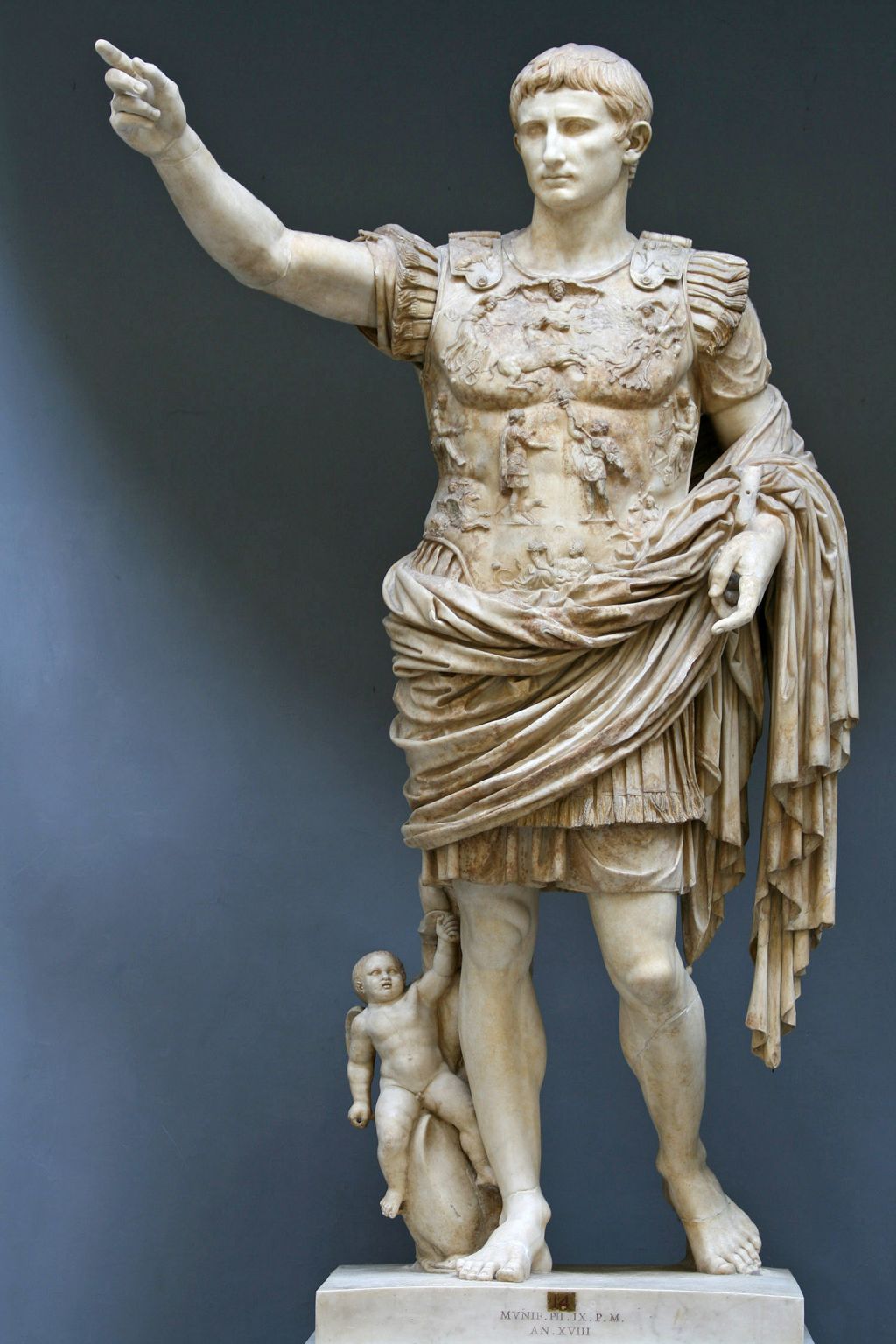 Augustus of Prima Porta, statue of the emperor Aug...
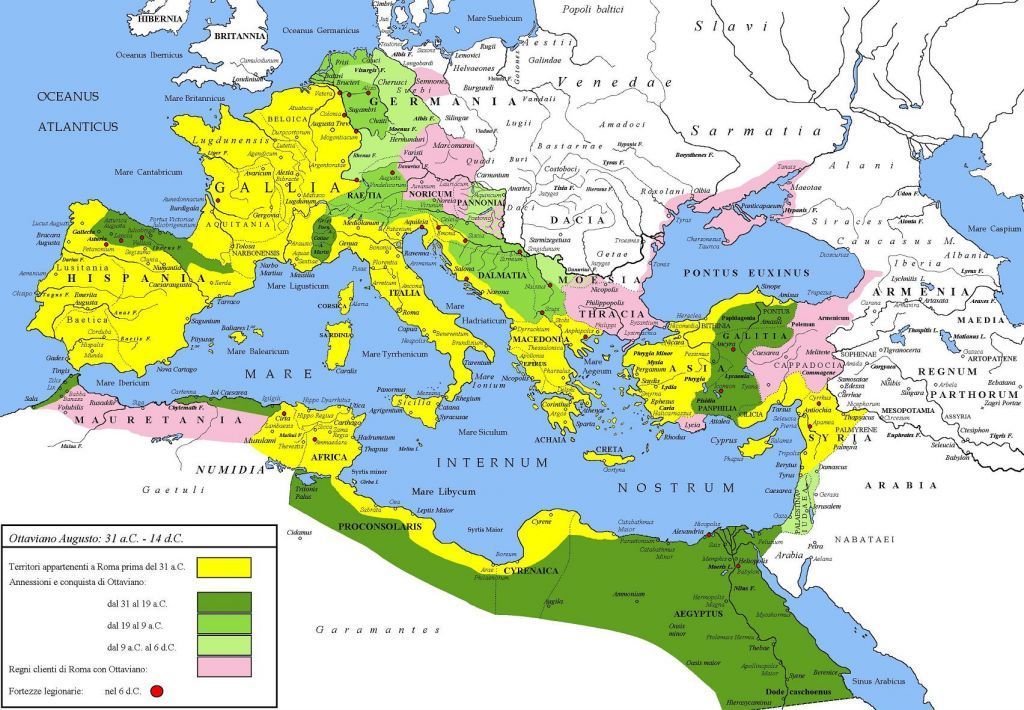 English: The Roman Empire under Augustus Caesar (3...
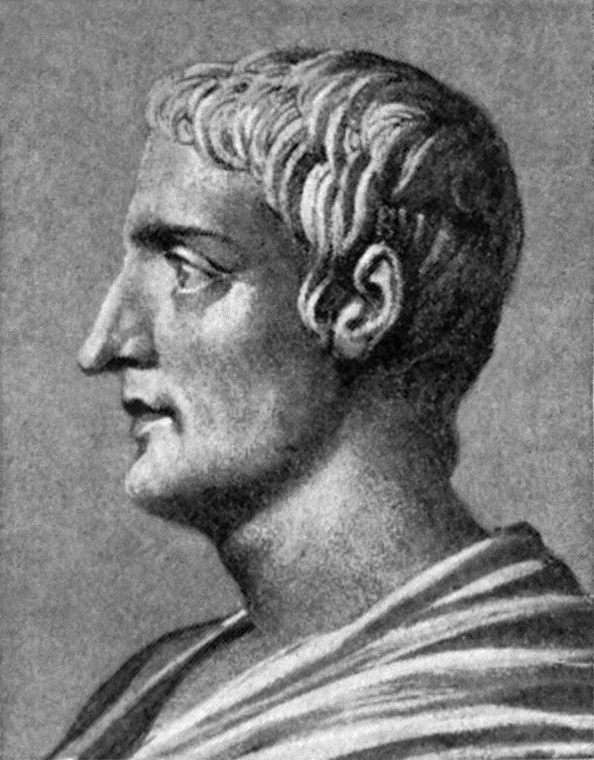 Mirror image of Image:Gaius Cornelius Tacitus.jpg.
Tacitus also describes how corruption and tyranny made the members of the Roman senate and the aristocrats into cruel and unjust people. He also described many murders, both judicial and non-judicial, to highlight the misfortune that awaited those who remained loyal to honor and liberty.
Motivations played a huge role in the Roman emperors' rules, sometimes these motivations matched those of other Roman aristocrats while at other times they significantly differed. Like the rest of the aristocrats and officials, most Roman emperors in Tacitus' writings spent their reign desiring more and more power. An emperor's greatest motivation was to gain maximum power and control and making the hold over the throne stronger. Tacitus describes this motivation in various parts of the text, his initial description of Augustus' reign included many suggestions of this motive. He...