What is Textiles?
Textiles is a term applied to natural and man-made fibres and filaments that may be spun into yarn or made into fabric by such processes as weaving and knitting or felting and bonding.
As a citizen of the new millennium, you utilise a vast array of textile items every day. So, to enable you to begin to understand the important role of textiles in your daily life, you need to imagine a world without textiles: at the moment you'd be sitting here naked.
Textile items that you utilise every day include clothing, underarm, shoes, bags, bath towels, bed sheets and blankets. If you participate in sport, you possible need textile items such as protective padding, footballs, netballs and softball mitts. At home, textile items such as curtains, carpets, fabric cushion covers, cushions, tea towels, and oven mitts make everyday activities more comfortable, convenient and private.
In our food classes we will use textile items such as tea towels, wash cloths, oven cloths and food covers.
 Clothing and Textiles
 A variety of contemporary fabrics. From the left: ...
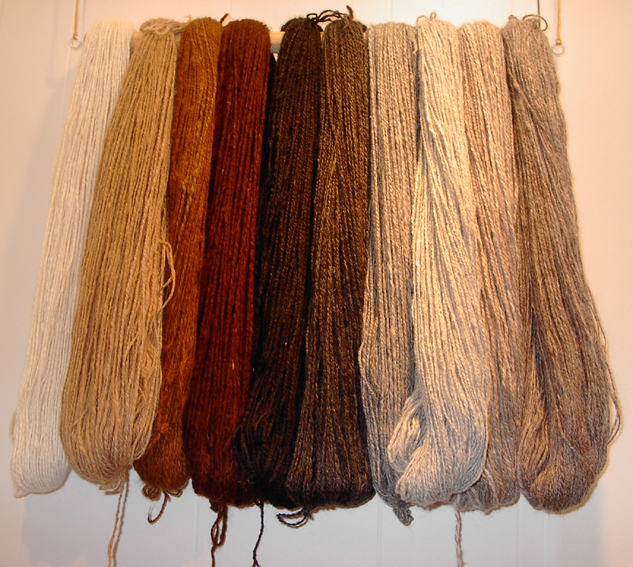 Alpaca-wool. Svenska: Alpackaull
When textiles are utilised to manufacture items such as car seat belts and bicycle helmets, your ability to travel safely on the roads is improved considerably.
These are just a few examples of the items manufactured using textile resources, materials and products.
Textiles are an integral part of our lives - in Food and Fibre you will have an introduction to basic fibres, fabrics and skills. This knowledge will help you become a wise textiles consumer and have some basic skills you may require all through your life.
A world without textiles
Without textiles, your lifestyle would be very different. Thankfully, the curiosity and creativity of our ancestors has resulted in advancements in technology that has included textiles!
Consider this scenario of a mid-winter school day without having the protection, comfort...