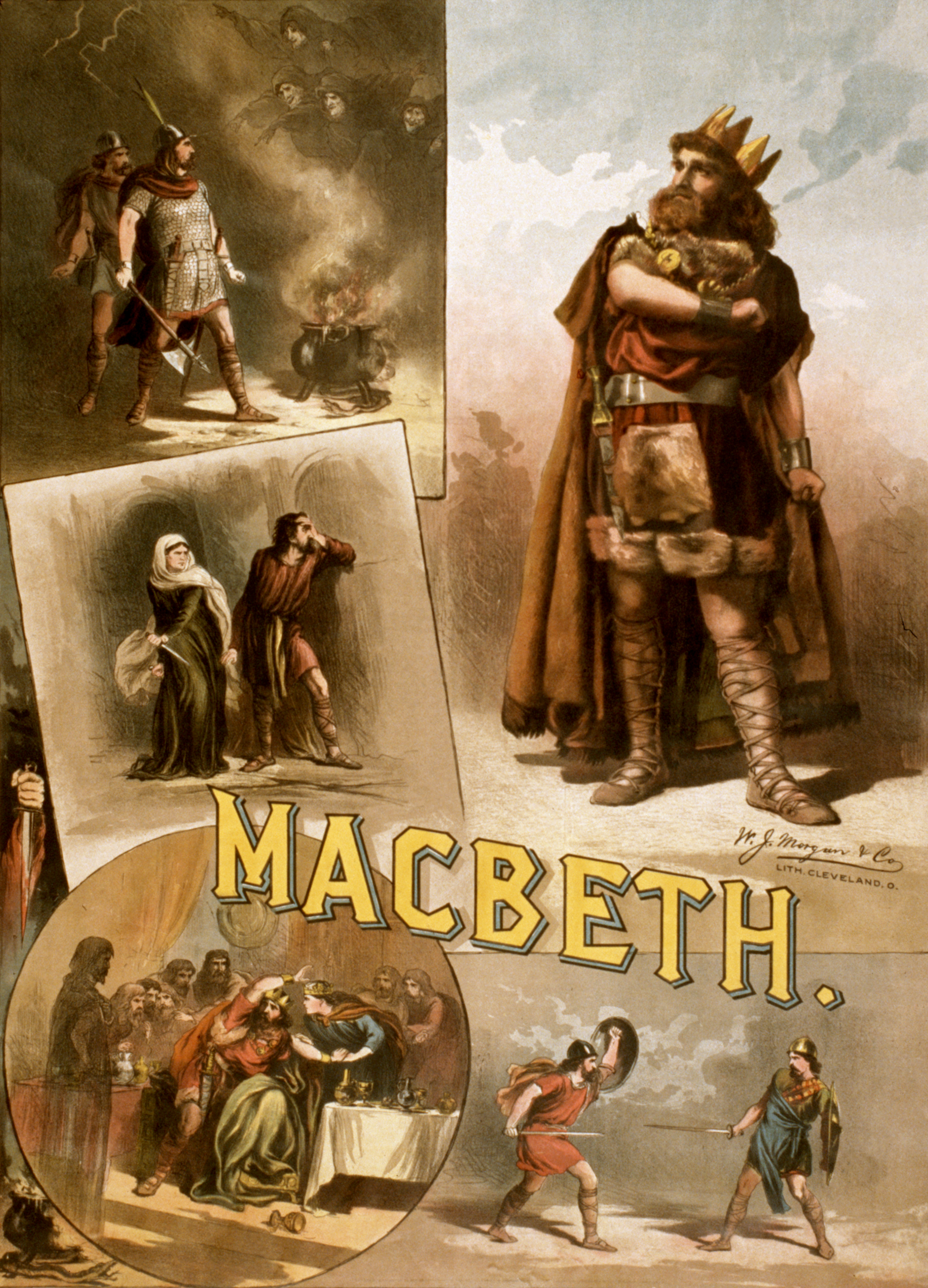
Theme in Macbeth: "Fair is foul, foul is fair"
Macbeth's theme in one word is EQUIVOCATION (of double or doubtful meaning, questionable, ambiguous). Equivocation is prevalent throughout the play. Lady Macbeth uses it a lot, and suggests it to her husband when she says "...look like the innocent flower / But be the serpent under 't..." (Act I, Scene 5, 64-65)
In other words, the idea or theme in the play is "Fair is foul, foul is fair." Basically, this means that appearances can be deceiving. What appears to be good can be bad, and this is seen in such things as the deceptive facade of Lady Macbeth and in the predictions of the witches.
In the first scene of the first act, three witches plan their next meeting in which they will encounter Macbeth. It is in this scene that the theme is first presented, as the tree witches chant, "Fair is foul, and foul is fair, hover through the fog and filthy air" (Act I, Scene 1, 11-12). The witches meet again in scene three of act one. One of the witches discusses a curse she has placed on a woman's husband, because she refused to share her food. This display of evil powers and spitefulness suggests that the witches may have some influence in the development of the theme.
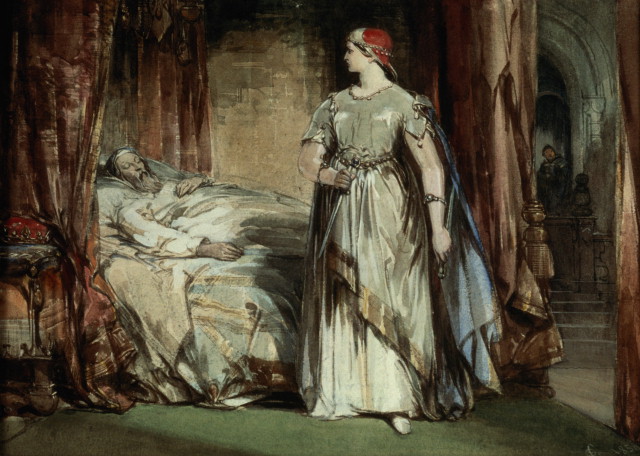
To the Weird Sisters what is ugly is beautiful, and what is beautiful is ugly: "Fair is foul and foul is fair". Throughout the play, fair appearances hide foul realities.
Macbeth enters during scene three of act one along with Banquo, arriving from a victorious battle. He uses the motif to describe the day as "So foul and fair a day I have not seen" (Act I, Scene 3, 38). When Macbeth and Banquo first see the weird sisters, Banquo is horrified by their hideous appearances. Conversely,
More Macbeth
essays:
Macbeth-Fair is Foul and Foul is Fair
... Fair is Foul, and foul is fair, these lines are the very backbone of Shakespeares play. This oxymoron aptly describes the macabre status quo within the character Macbeth and without. In other words what seems from outside is not ...
"Macbeth" by William Shakespeare: Lady Macbeth's Loss of Control
... 5.1.53-55). This shows that she is unable to handle all of the blood that is being shed. She wants to be able to cleanse herself of these murders. When Lady Macbeth finally reappears she is sleepwalking and acting ... in The Even-Handed Justice that, "When [Banquo's ghost] appears, Lady Macbeth is at ...
Macbeth: Fair Is Foul And Foul Is Fair
... of “fair is foul, and foul is fair.” The witches are foul in that they were ugly: “so withered, and so wild in their attire, /that look ... innocent flower, but be the serpent under’t” (1.6.75-78). Flowers symbolize beauty, life, and all that is fair, or “of pleasing appearance, especially ...
"Analysis of Macbeth and Contribution Towards Theme" -describes Macbeth's decline into cruel tyrancy. focused on how characters provided to the theme,"fair is foul and foul is fair."
... qualities that contribute to the dynamic story and theme. Macbeth was a hero to start, but died as a villain, reinforcing the theme, "fair is foul and foul is fair" or ...
A true picture of MacBeth and Lady MacBeth, by Shakespeare
... says that if he keeps his nerve they would not fail. At the start of act 2 scene 1 Macbeth talks with Banquo about the witches predictions. Banquo admits he has had disturbed sleep caused by 'cursed thoughts' and has ...
'fiend-like queen'. How true is this description of Lady Macbeth and what does Lady Macbeth add to Shakespeare's play?
... of that situation. Act three Scene four, I think is the most dramatic of them all because I think this is a pivotal scene in the play. This scene is where the ghost appears and Macbeth ... Macbeth and his wife, as may people with a different religion. In Act one Scene seven ...
Theme in Macbeth "Appearances can be deceptive"
... The three witches first introduce the theme in Act one, Scene one with their closing statement: "Fair is foul, and foul is fair." This introduces the idea of deceptiveness of appearances throughout the whole play. This particular quote means that what ...
How Shakespeare interests and entertains the audience in Act 2- Scenes 1 and 2.
... the act by setting the theme of scenes 1 and 2 in darkness, which shows us that something terrible is going to happen in this part. It links us up with the fear that we ...