Themes of fahrenheit 451
Theme of Fahrenheit 451
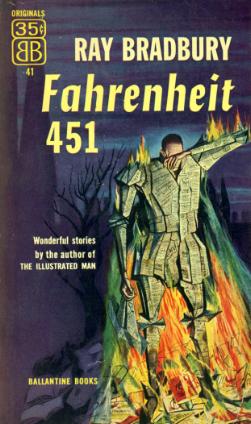
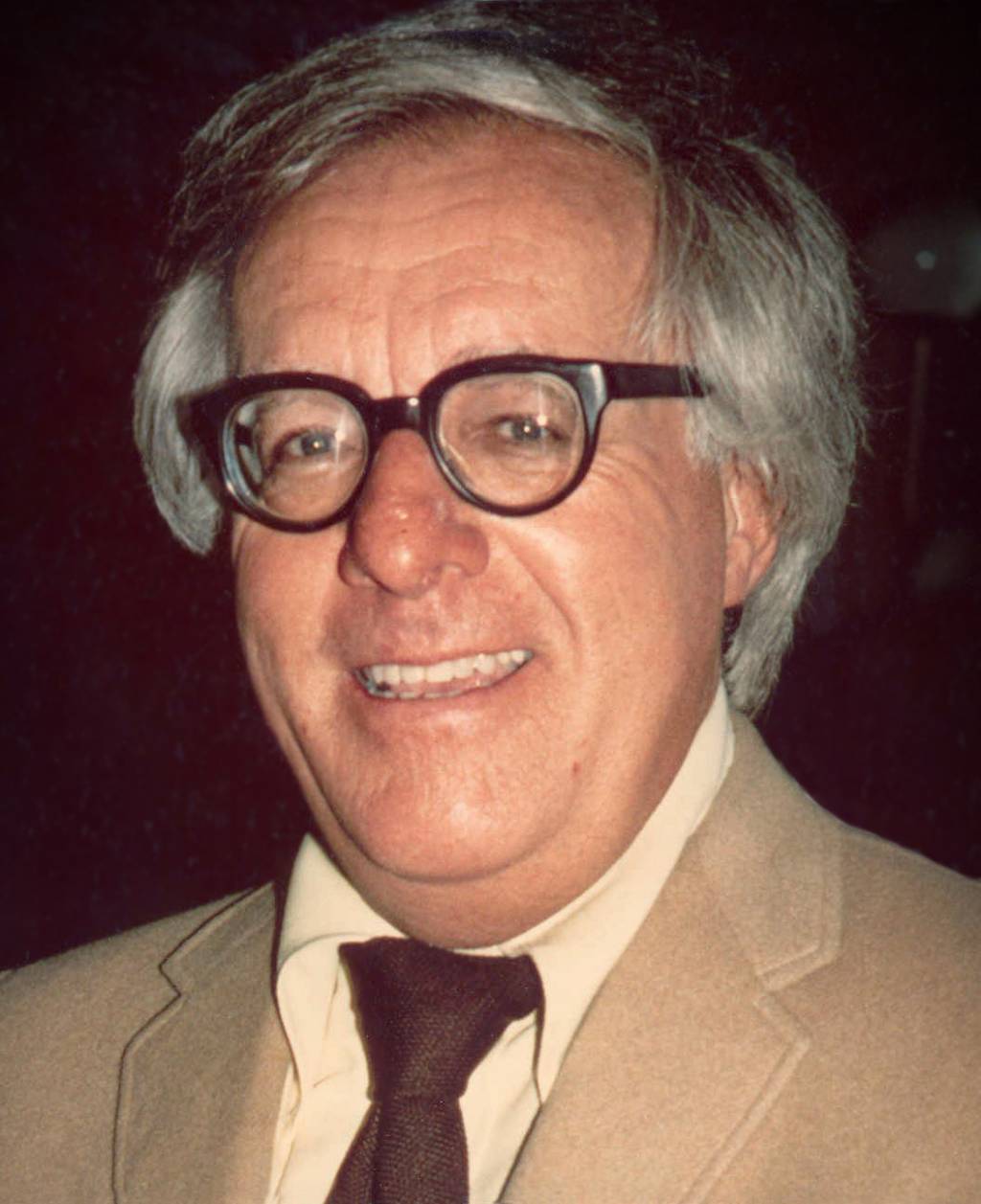
The purpose of this writing is to support the foremost theme of a novel. The novel that will be focused on in this writing is Fahrenheit 451, which was written by the renowned author Ray Bradbury. There are many themes Mr. Bradbury tries to convey to the readers throughout the course of this story. Some examples of the major themes in the novel are one spark can start huge fire, the will to learn can overpower fear, and too much violence can numb the human mind. These are all major themes in the novel, but Ray Bradbury makes a single theme stand out amongst the rest and that is someone's fire can light another's path. This is the most important theme in the novel because Clarisse McClellan lit a path for Guy Montag, then Montag lit a path for Mildred Montag, and Montag also lit a path for Faber.
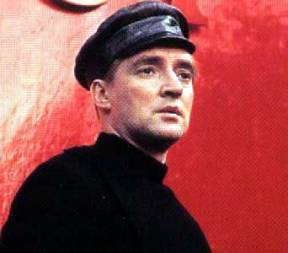
The primary reason that supports the theme someone's fire can light another's path is Clarisse's fire lit a path for Guy Montag. Clarisse is a beautiful seventeen year-old with a slender and milk-white face. Clarisse and her family are outcasts from society because of their anomalous habits such as being pedestrians. Her blazing passion for nature, her inquisitiveness, and her observation of everything around her help light a path for Montag. Her passion for nature makes him think about nature and how people in his society ignore the world around them. Clarisse's curiosity makes Montag think about if he is in actuality content with his life, his wife, and how he lives his life. Her observation of everything around her informs Montag that people in his society don't speak about much and that the society is incredibly fast paced. These three things help light a path for...
More Writing
essays:
APPEARANCE vs. REALITY IN "THE PRINCE" AND "HAMLET"
... use the theme of appearance vs. reality to portray a character in a certain way. One of the most appreciated one of these authors is William Shakespeare. The theme of Appearance vs. Reality is extremely noted in Williams Shakespeare's "Hamlet ...
How does Charles Dickens treat the theme of education in his novel Hard Times?
... harsh violence, a person who has no sympathy. "Mighty man" "cutting" "training" "force" "system" "fight" "fistic phraseology" "scratch" "damage" "high authority" "opponent" "fought". The names of the characters and chapters in the novel are ...
A psychoanalytic criticism review on Mary Shelley's Frankenstein focusing on the betrayal that she felt by her parents leaving her.
... the alienation that she feels. "He began to answer with violence: `yes, yes, I hate you! You are my bane, my ... It seems only logical that the creation of these two novels has set insight into Mary's own tormented abandonment and ...
English 102-04 The Rest Cure: Its Negative Impacts on Charlotte Perkins Gilman
... The room she stays in can be represented by one that could also be viewed as an asylum, "For Gallagher 2 the windows are barred for little children" (Gilman 451). When Gilman was being treated, she spent a month ...
Relationships: An Absolute Necessity - Using Catcher and the Rye, Inside the World of Teenagers, and Man's Search for Meaning
... of Holden's consistent sources of happiness throughout the novel." (Retrieved from http://www.sparknotes.com/lit/catcher/characters.html on February 10, 2005) In one particular scene, Holden takes Phoebe to the zoo and convinces her to ride on a ...
Definition of tragedy according to Aristotle's "Poetics".
... novel or an Epic is narrated, while a drama, be it a Tragedy or a Comedy, is acted. Can there be action without narration? The answer is obvious. The Greek Dramaturgy did not allowed any act of violence ...
Post-Modern Narrative as a Form of Historical Discourse
... itself. According to John Mepham: ' the 'postmodern' is a variable historical category, constructed by diverse historical narratives. The narrative which one chooses to tell is itself an expression of aesthetic and value positions.' [Mepham] The tendency to reject and ironically deconstruct ...
Comparison and Contrast of "The Man with the Broken Fingers" and All Quiet on the Western Front
... One showed the futility and ignorance of war while the other played the part of Kantorek in poetry. The point of view played a vital role in breaking down why the author ... nameless to keep him applicable to the reader. When the character in a novel or poem is nameless our mind automatically fills in a ...