In studying and understanding the politics and artistic ideologies of film not in the popular "Hollywood" tradition, films of different cultures must be examined to explore the political and social history of the struggles for cultural identity. The film becomes a means of consciousness raising and of creating political awareness. Films of revolution and social change cross all cultural boundaries and bring to the screen revolutionary movements in developing and underdeveloped countries. The power of film is such that it not only reflects society in its own image; they can cause society to create itself in the image of the films. This, unfortunately, has proved to be a battle for black men and women as they have been depicted in a far from flattering view since the beginning of the medium. African Americans have been forced to endure constant racism and discrimination projected at them through movies since the technology was created.
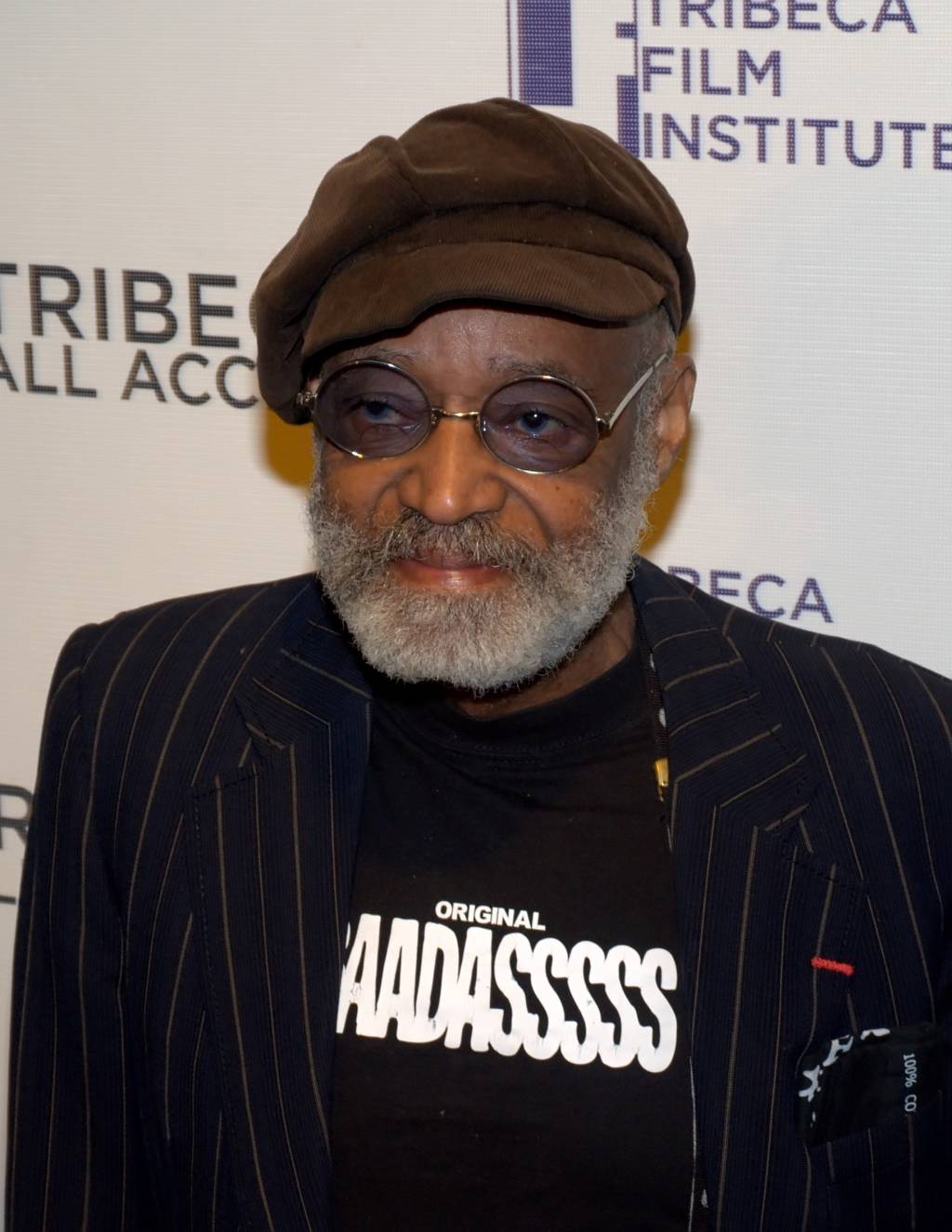 English: Melvin Van Peebles at the 2010 Tribeca Fi...
 English: Melvin Van Peebles at the 2008 Tribeca Al...
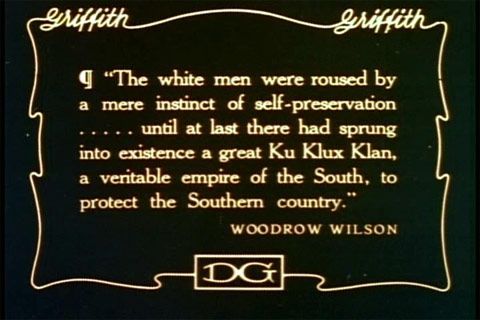 Quotation from Woodrow Wilson's History of the Ame...
Through the determination of many intelligent filmmakers, African Americans have been able to create a depiction of their culture as they see fit; and in the process, creating anti-racial films committed to social change.
At times, the screen has predicated against progress by fixing certain concepts and stereotypes in the public mind and artificially reinforcing the notion of their continuing usefulness. The victims of these stereotypes were mainly African-American. Blacks were, for the most part, misrepresented subjects to be exploited by the medium of film since it was created; the most popular example being, D.W. Griffith's Birth of a Nation (1915). Although hailed as the most successful and artistically advanced film of its time, it ignited race riots and it directly influenced the 20th century reemergence of the Klan. Birth of a Nation locked misconceptions about race into a technologically innovative movie that gripped viewers with its new...