1. Where, if at all, does the current routine for handling defective seats deviate from the principles of the Toyota Production System?
CONTEXT:
Toyota has always striven for "better cars for more people". The Toyota Production Systems (TPS) is the answer to this challenge.
TPS aimed at cost reduction by thoroughly eliminating waste. TPS provided two principles and guidelines to facilitate the identification of waste:
Just in Time (JIT): Produce only what is needed, how much is needed, and when is needed. Any deviation from true production needs is condemned as waste.
Jidoka: Makes any production problem instantly self-evident and stops producing whenever problems where detected. It insists on building in quality in the production process and condemns any deviation from value-addition as waste. In Toyota specifically, Jidoka tools are used to immediate problem detection and facilitate visual control.
To implement the two TPS principles, TOYOTA used the following tools:
Kaisen "Changing something for the better": The purpose is to eliminate waste in seven categories.
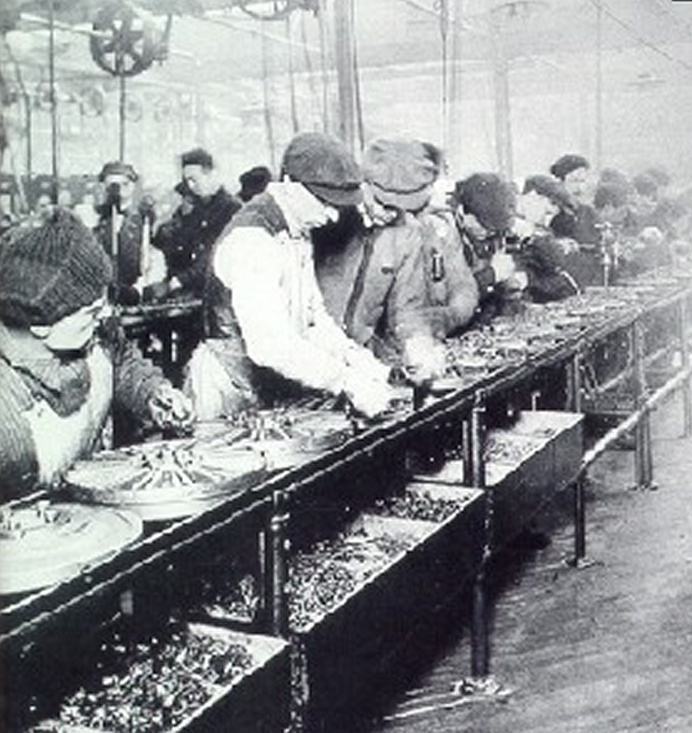 Ford assembly line, 1913.
 Toyota Corsa "Sophia"
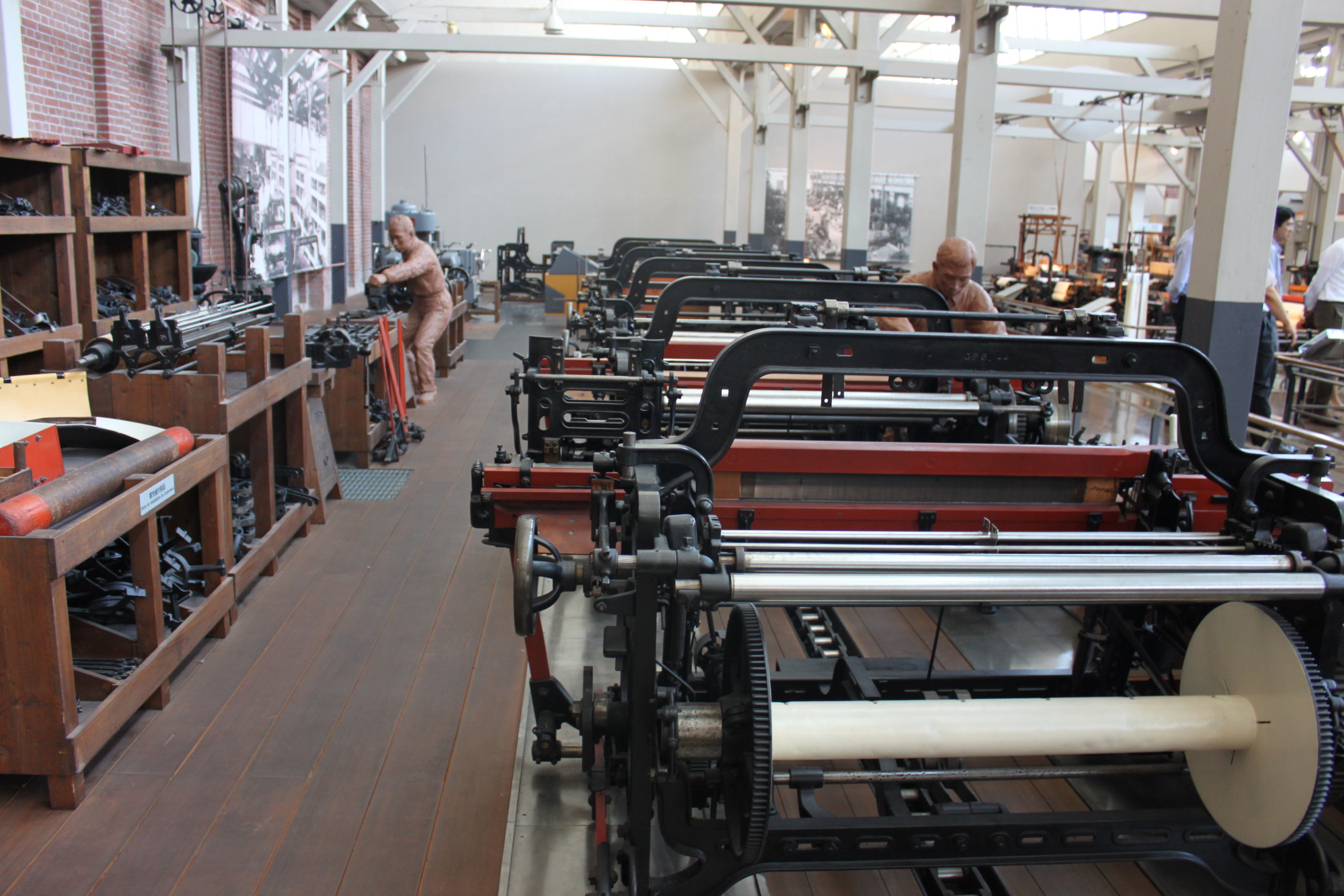 English: Mass production of Toyoda automated loom....
Kaisen requires that process be first standardized and documented in order to evaluate the ideas of improvement objectively.
Kanban "Signboard": The use of cards to control the flow of the production.
Heijunka: Balancing the total mix of model variations required by consumers in the production sequence during a period of time.
In order to avoid frequent shutdowns, TOYOTA instilled in "good thinking" that cultivated two strong attitudes:
- Stick to the facts
- Get down to the root cause: "Five whys exercise" that means asking a chain "why questions" until the root of the cause is identified.
ANSWER:
The handling of the defective seats deviates from the TPS principles because:
The production is not stopped once the defect is identified. In the Kentucky plant the cars with defective seats were tagged with an...
Again
a start and conclusion paragraph would benifit here. All the same nice job and a nice make of car!
4 out of 4 people found this comment useful.