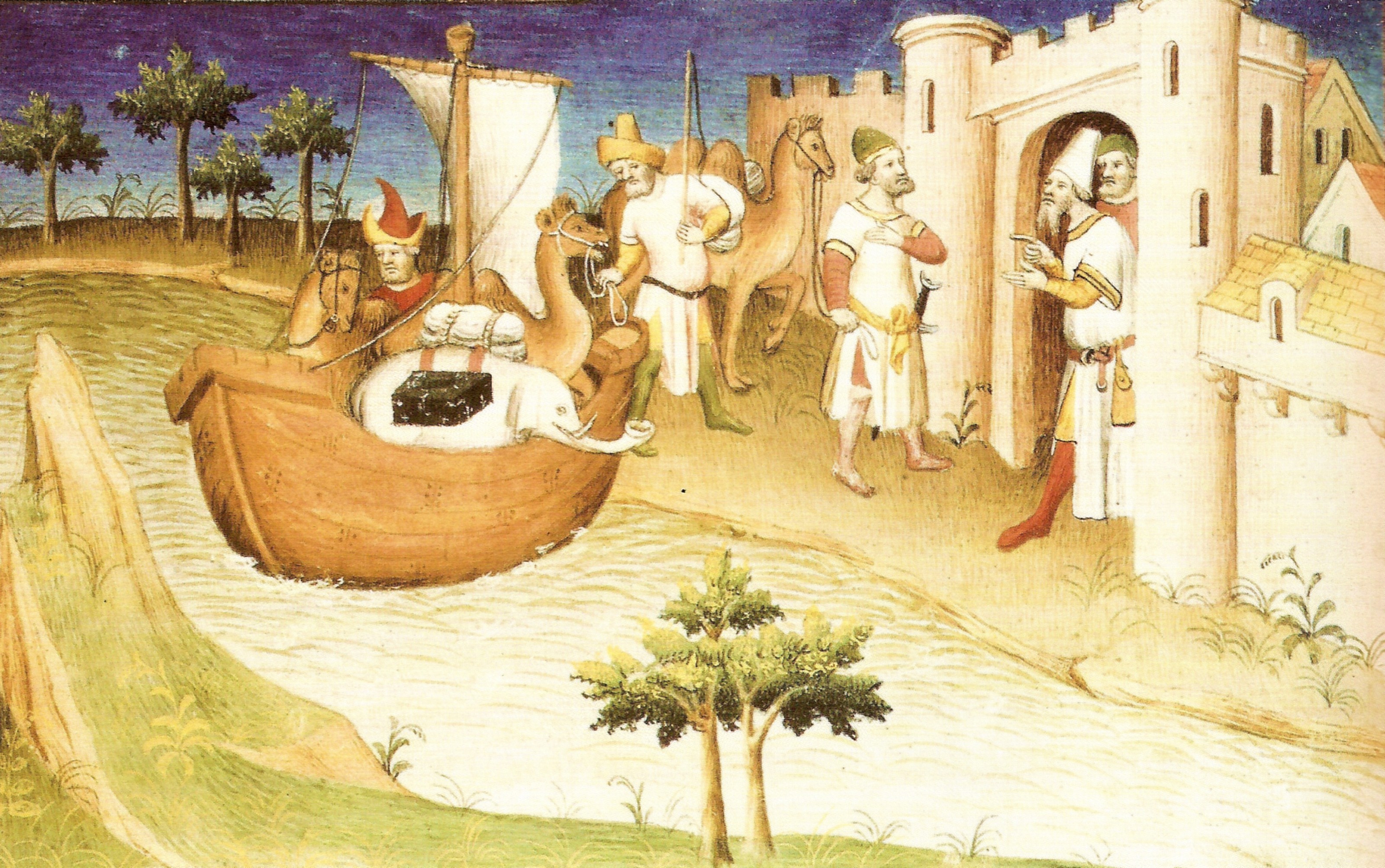
The travels of Marco Polo and his influence on the western world
Marco Polo is considered by most to be the most important link between Europe and
China in the 13th century. His accounts of the Eastern world had an immense impact on
Western thinking and life in Europe.
Marco Polo was born in 1254 to a noble family in Venice, which was at that time an
independent city-state in northern Italy. Marco had a typical education of a young man of his
time1. At age 15, he had already studied many of the classical authors and understood the Bible
and theology of the Church. He also had a good knowledge of French and Italian language.
From his later history we find out about his interest in natural resources, the ways of the people,
and many strange and interesting plants and animals. Because he came from a family of traders,
everything he learned he related to the possibility of commerce2.
By the time Marco was 15, his father and uncle, who were both merchants, had already
traveled all the way to Eastern Asia. The two men had made contact with many peoples,
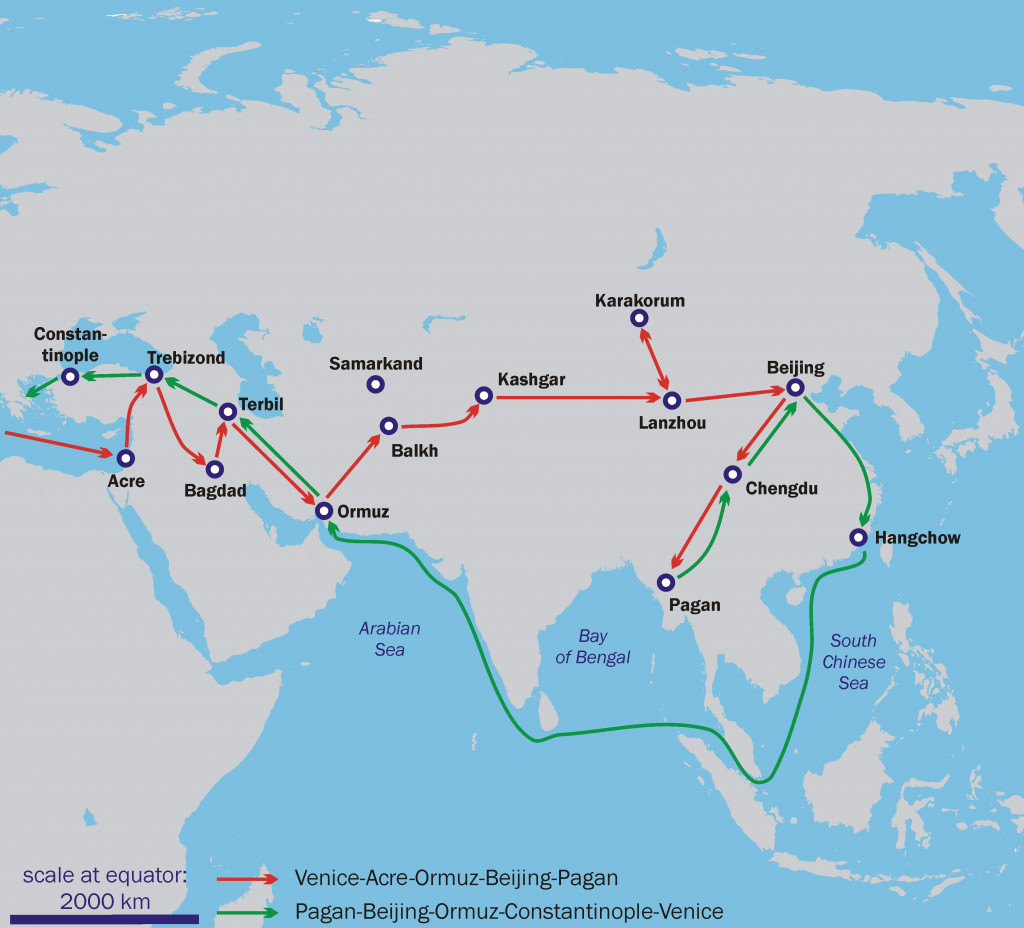
including the Persians, and the Tartars and Mongols. They knew of all the popular trading
routes through Asia and they even had established a trading post of their own3. Throughout the
land they were known as men who were 'signally noble, wise and provident4.' Since this first
voyage was a success, they planned to embark on a second expedition, on which they decided
to along young Marco.
On the elders' initial journey, Kublai Khan, the great ruler of China, gave the men
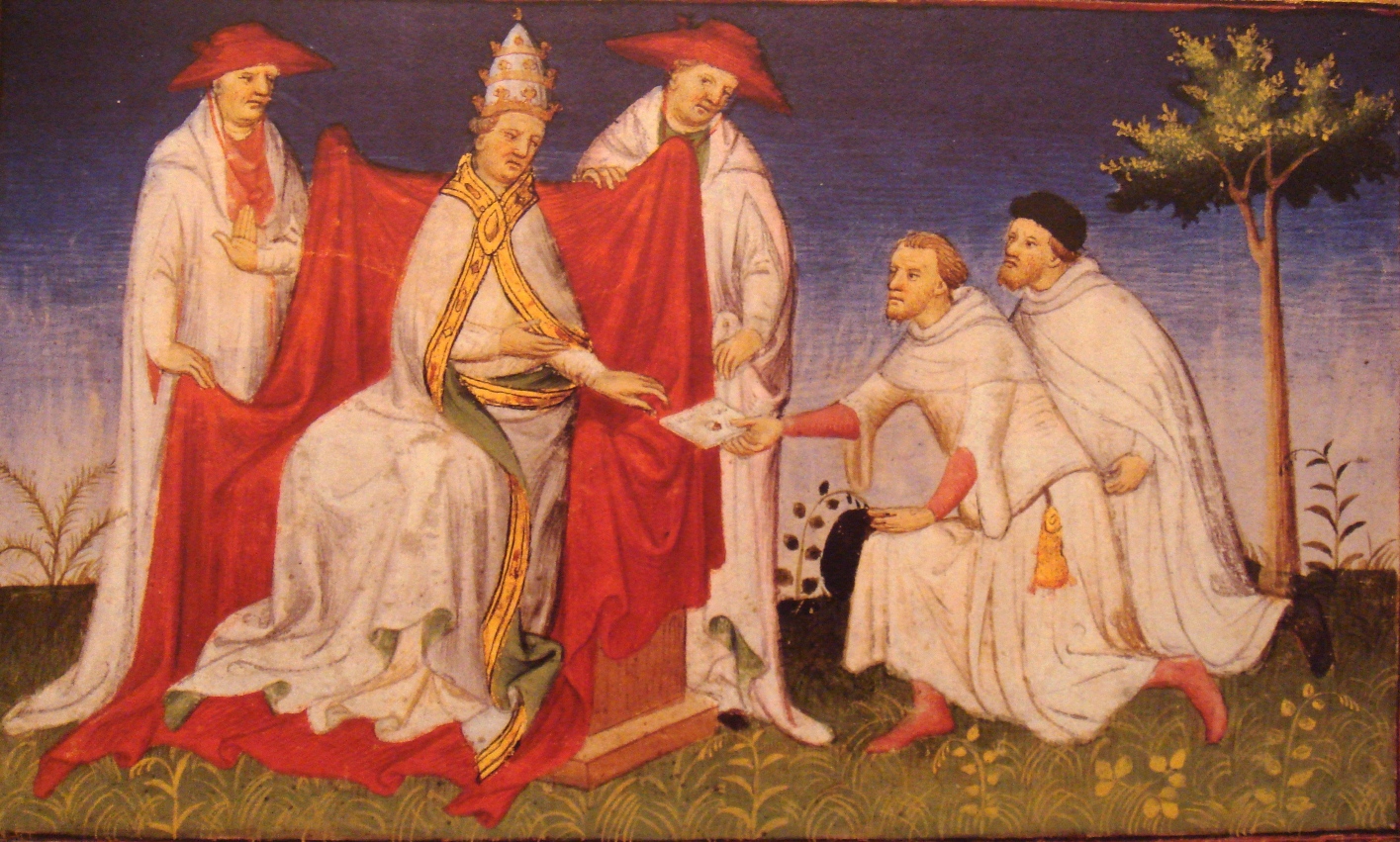
special letters that were delivered to the Roman Pontiff. On this journey the Pope gave the
adventurers letters in response to the Great Khan's messages5. With these letters the men set
out on their voyage to China. Their...
More Area & Country Studies Essays
essays:
Is Brazil Developed? Judge for yourselves.
... 2000 independent radio stations, but only 1 state owned. Environment Federal agencies charged with protecting the Amazon are insufficiently funded, understaffed and accused of corruption. The Amazon rainforest contains an estimated 90% of the entire world's plants and animals ...
Location Burundi is in Central Africa, just east of Democratic
... lakes and generating hydroelectricity. They have also had to cut down forests to plant crops, because of the high population density. They also make use of the land’s natural resources by ...
Comparison of Mesopotamia and the Indus Civilization
... when plants and animals were domesticated, bringing about an agricultural revolution. This allowed nomads and cave dwellers to become farmers and herders ...
History, Physical Information, Population, Cultural Landscape, Government, Economy of Mexico
... of plants and is like a garden. Out of 21.9 million private homes, 78% have drainage, 89% have piped water available indoors, and 95% have electricity. The most celebrated holiday is Independence Day ... valuable natural resource is oil. Petroleum and petroleum ...
MISSISSIPPI "Magnolia state" Dec. 10, 1817
... mi., approximately one - eighth of the continent of North America. Plants and Animals About 55% of the land area of Mississippi is covered ... petroleum and natural gas. Other mineral resources include clay, sand and gravel, lignite, iron ore, limestone, and salt ...
All about Australia
... local resources. The men's most important weapon was their spear. Women gathered vegetables and small animals. Australia's first people live close to nature and knew the habits of all plants and animals around ...
Vietnamese Culture
... jungles and rainforests filled with exotic plants and animals. It is also a place of unique customs, traditions and superstitions that are still practiced in the urban cities and simple ...
Vietnam
... The natural resources of Vietnam include phosphates, coal, manganese, bauxite, chromate, offshore oil and gas deposits, forests, and hydropower ...