Venus
Venus is an extraordinary and interesting planet. The colour of this beautiful planet is grey and orange, it has spots of orange on it to make the planet stand out. This planet has very unique features and qualities like its temperature, size, weight/mass and description. I am very glad to have researched on such a magnificent planet.
Every planet has a description, most of the planets descriptions are dull unlike Venus. This sixth largest planet has a diameter of twelve thousand, one hundred, three, decimal, six kilometres (12, 103.6 km). The weight of Venus is four, decimal, eight, six, nine, e, twenty-four kilograms, (4.869e24 kg). Venus is the second planet away from the sun, the planet Venus is one hundred eight million, two hundred thousand kilometres, (108, 200, 000 km). Like the planet Mercury, Venus does not have any moons of its. This planet's temperature varies from740ðF - 890ðF because the planet moves further or nearer to the sun each day.
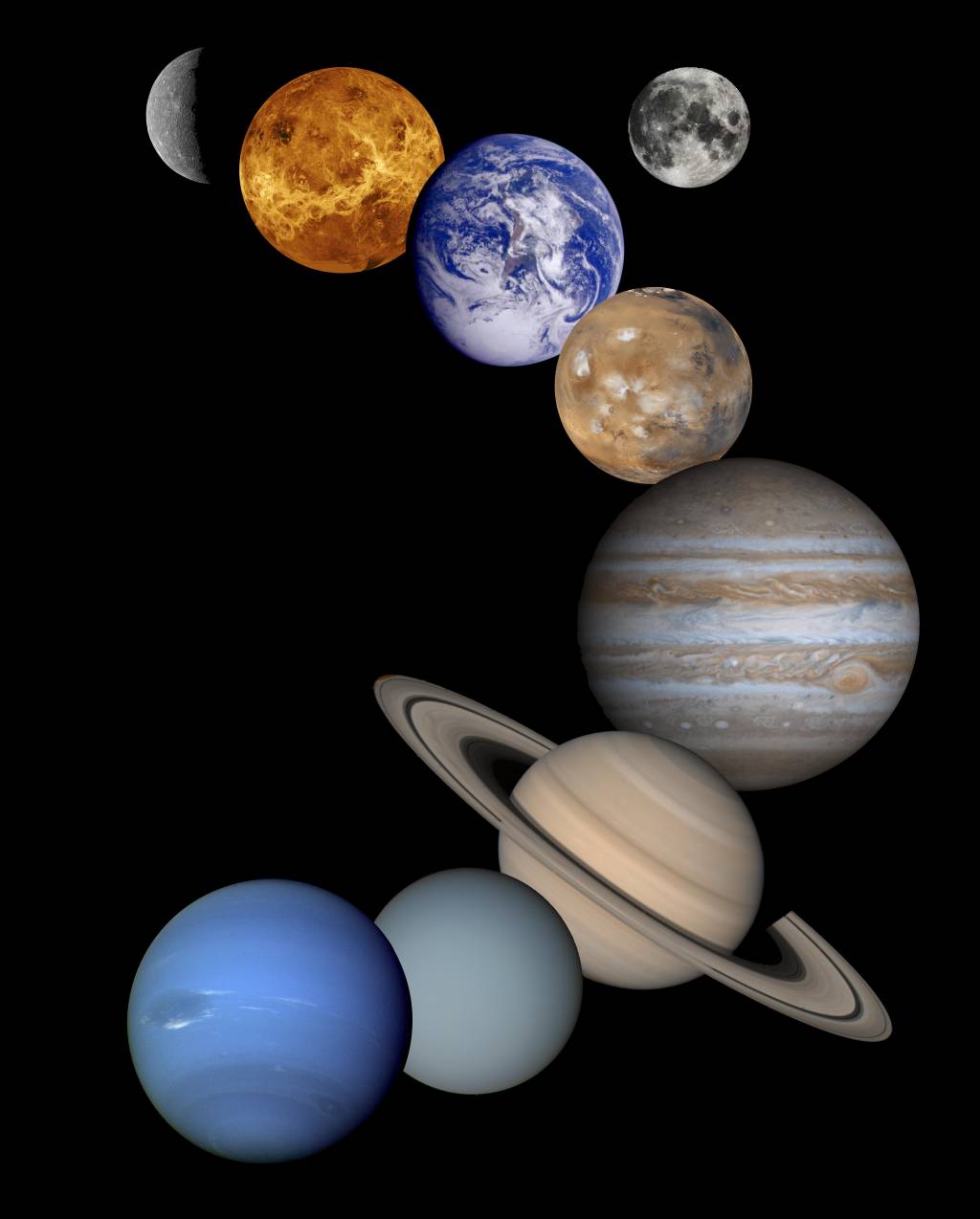 Planets of the Solar System
 Size comparison of terrestrial planets (left to ri...
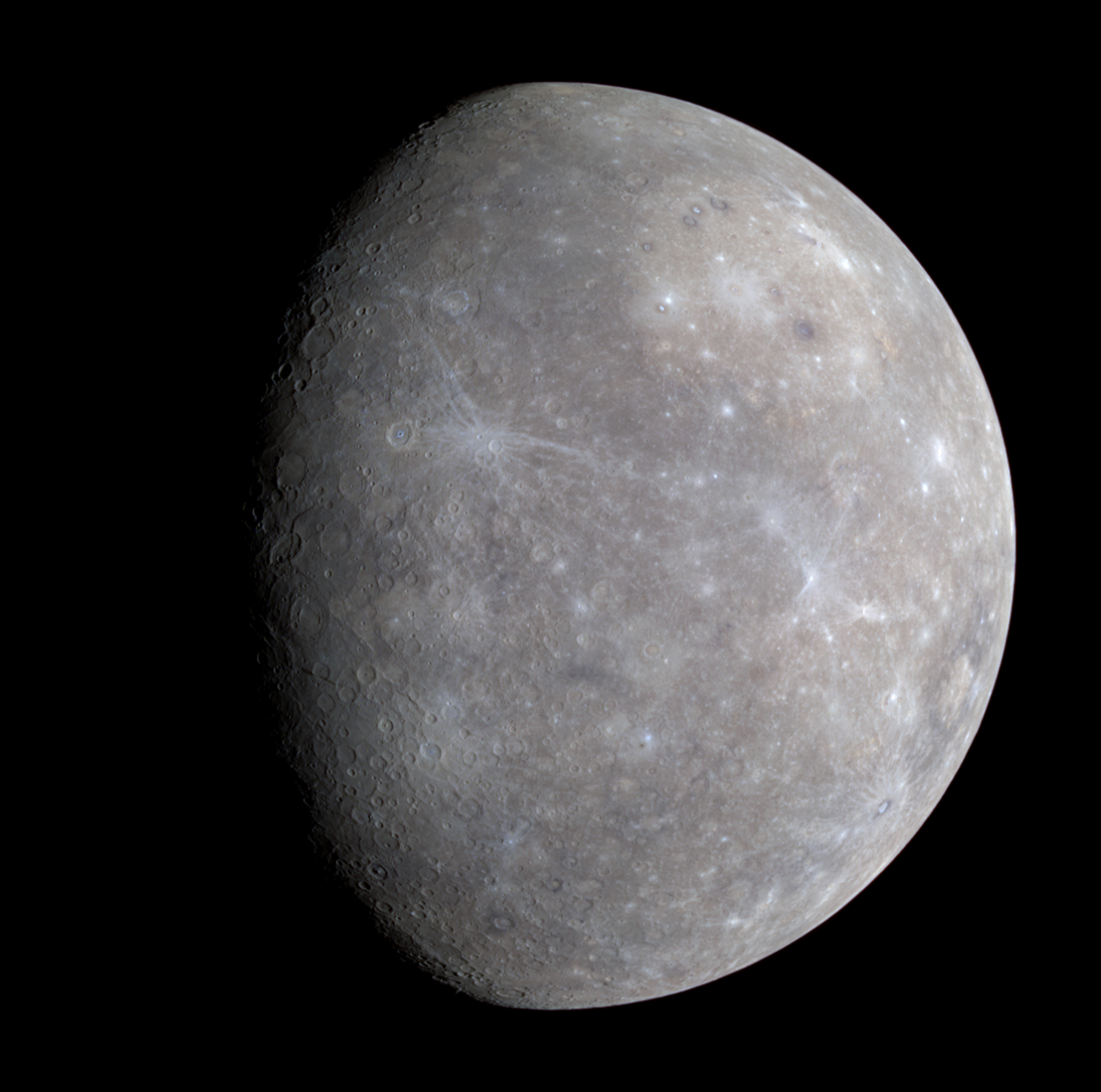 Full-color image of from first MESSENGER flyby
This temperature is extremely hot, hot enough to melt lead. In fact, Venus's surface is hotter than Mercury's surface even though Mercury is closer to the sun than Venus. Venus's description is very fascinating.
Venus's atmosphere is very unusual. The outer layer is packed with clouds; these clouds do not contain precipitation like the clouds in the earth. In fact these clouds are filled with deadly, burning gases. Venus's atmosphere is also ninety - six percent carbon dioxide, which means there has never and never will be living things there. This atmosphere is very unusual and unlike the other planets in the solar sysmtem.
Venus has many special and interesting facts. Venus rotates so slowly compared to the other planets, that one full rotation of Venus takes two hundred, forty-three earth days therefore means each day of...