Inhaltsverzeichnis
1.Einleitung.............................................................................................................3
2. Die Zeit der Aufklärung....................................................................................5
2.1. Der Aufgeklärte Absolutismus.................................................................6
2.2. Die politische Situation in England zur Zeit der Aufklärung.............8
2.3. Die politische Situation in Deutschland zur Zeit der Aufklärung......9
3. Kant und Hume als Aufklärer..........................................................................11
3.1. Immanuel Kant: "Was ist Aufklärung?".................................................11
3.2. David Hume: Anthropologie und Aufklärung......................................15
3.3. Gemeinsamkeiten und Unterschiede des Menschenbildes und der Vernunft bei Hume und Kant..................................................................................................17
4. Fazit..........................................................................................................................20
5. Glossar......................................................................................................................22
6.Literaturnachweis.....................................................................................................23
1.Einleitung
Die beiden Philosophen Immanuel Kant und David Hume sind beide schon den unterschiedlichsten philosophischen Richtungen zugeordnet worden. Während Kant oft zu den Idealisten gezählt wird, wird Hume meist in die Liste der Empiristen eingereiht und manchmal auch als Begründer des Positivismus gesehen. Nichtsdestotrotz lässt sich kaum leugnen, dass ihre Texte, Kants Artikel zur Beantwortung der Frage "Was ist Aufklärung" auf der einen Seite, und Humes "Treatise of Human Nature" auf der anderen, eine entscheidende Rolle für die Aufklärung in Europa spielten.
 HUME
HUME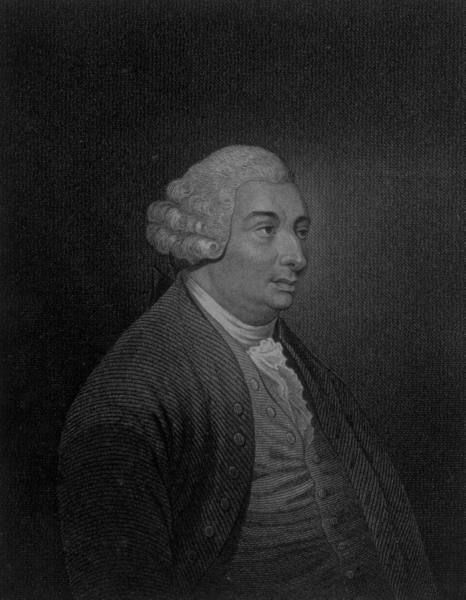 English: An engraving of Scottish philosopher Davi...
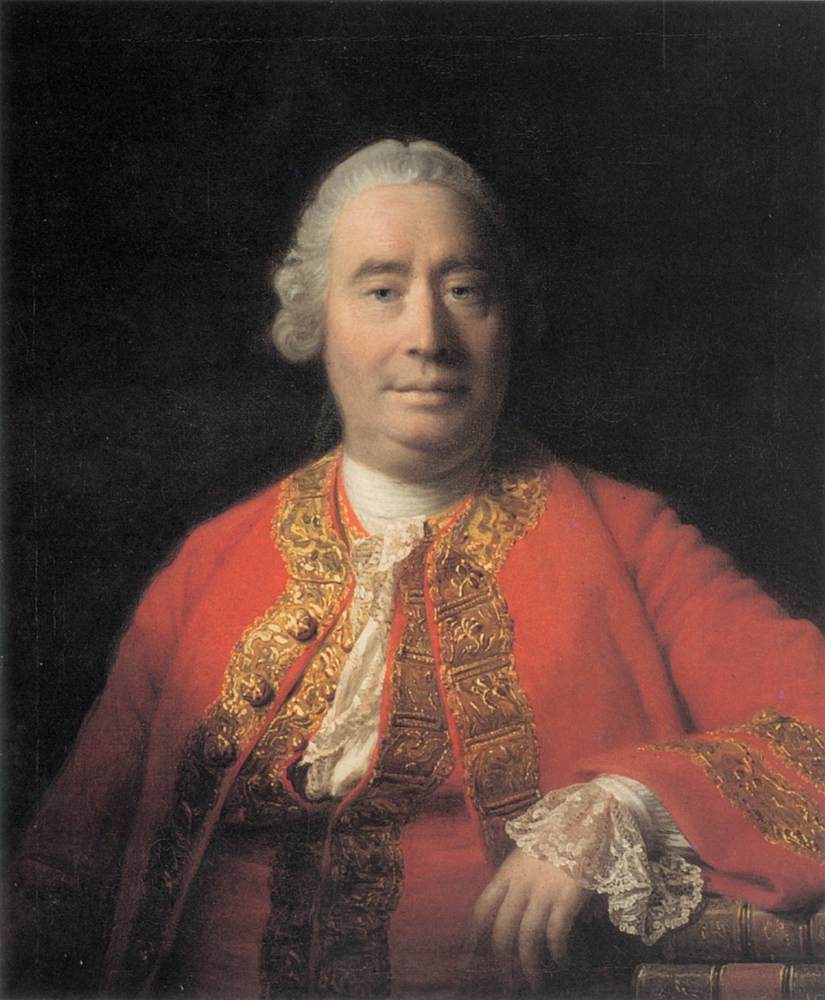 David Hume's statements on ethics foreshadowed tho...
Es sei für diese Arbeit dahingestellt, ob die beiden sich tatsächlich selbst auch in der Rolle der Aufklärer sahen. Zwar gibt es in Kants Text "Was ist Aufklärung" oft Stellen, die diese Vermutung nahe legen; darüber hinaus war Kant ein treuer Anhänger des preuÃÂischen Königs Friedrichs des GroÃÂen, der sich selbst gerne als aufgeklärten Monarchen begriff. Bei Hume ist dies allerdings schon schwieriger festzustellen. Zwar äuÃÂert er sich an manchen Stellen seines Werkes dazu, was er unter einem aufgeklärten Menschen versteht, nicht aber, ob er sich auch für einen hält. Der Verdacht liegt jedoch nahe, dass er sich zumindest bemühte, ein solcher zu werden, da er zum Beispiel im Laufe seines Lebens viel reiste (für ihn ein wichtiges Mittel, um Vorurteile abzubauen).
So wichtig beide Männer für die Philosophie der Aufklärung sind, so unterschiedlich sind doch einige ihrer Grundverständnisse, allem voran ihr Bild vom Menschen an...