Vietnam and the Pentagon Papers: A Record of Public Deception
On June 13 1971, governmental accountability and the American people's faith in their government was lost as the New York Times published the "top secret - sensitive" Pentagon Papers. Commissioned by Defense Secretary Robert McNamara and written by Daniel Ellsberg, this 7 000-page document outlines the American Involvement in Vietnam from the 1940's to the late 1960's. It included specific details on everything from the CIA's involvement in the early 1950's up to Nixon and Kissinger's discussions on using nuclear weapons during the later stages of the war. This paper will outline expert opinion on this document, some will be for the value of the papers and others will discount their true value. However the main purpose is to give a well rounded view of whether national security or public awareness takes precedence in an extremely volatile situation, such as the Vietnam War.
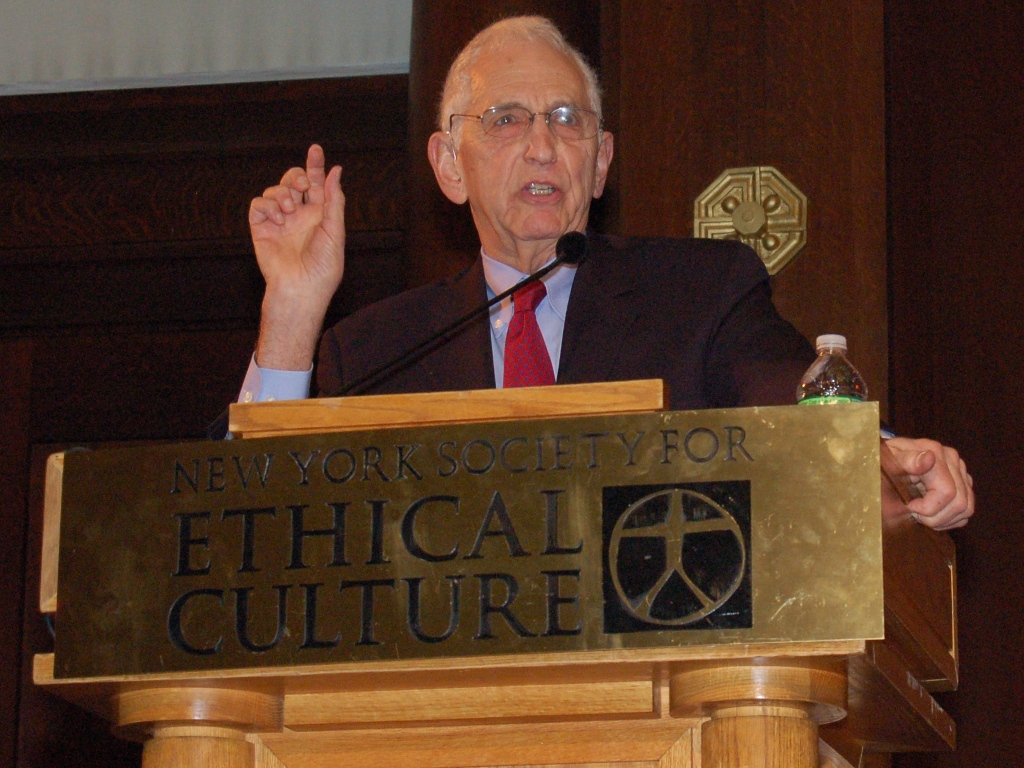
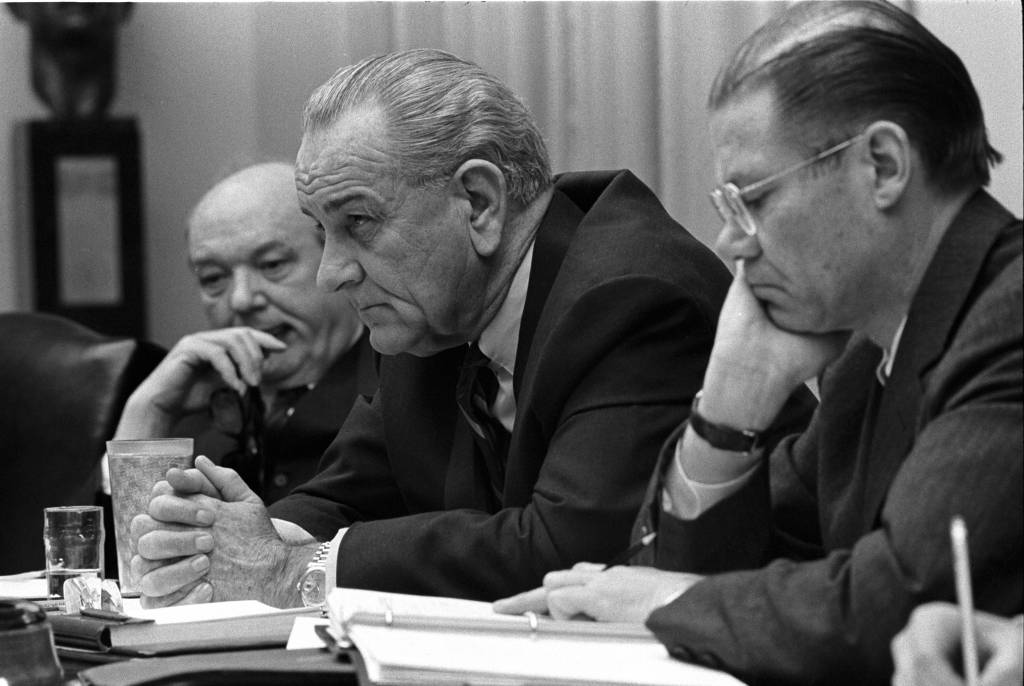
The key to understanding the Pentagon Papers, is understanding two key men Robert McNamara and Daniel Ellsberg. It was McNamara's mind which envisioned them and Ellsberg's hand which opened them to the public; however these two aren't as different from each other as they may seem. Robert McNamara was secretary of defense for both the Kennedy and Johnson presidencies; he was also keen to understand how the entire Vietnamese situation came about from 1945 onwards. This is considered by many to be the primary reason for the compilation of the Pentagon Papers, McNamara has stated he wanted to preserve the information for scholars to study in future years . McNamara could see the war was going badly and he may have also wanted background into a conflict that had been boiling over since well before the Kennedy Administration. He commissioned the document in June 1967 citing that he wanted an "encyclopedic history of the Vietnam war" written...
More Asian History
essays:
The Vietnam Conflict The Vietnam War was a long and
... in Vietnam, on the part of the military and the executive branch was revealed as the New York Times published ...
Strategies of War in Vietnam: Communism vs. America
... North Vietnam. It also did not want to aggravate the Soviet Union. The fear of retribution led to the decision of the government not to use nuclear weapons. In ...
An Essay on Korean Film History. Describes different time frames and the differences between the eras of Korean Films.
... public tastes has resulted in a newer look for Korean films. Nonetheless, these films as a whole retain a high degree of individuality and creativity. If it is true ...
The Korean, Vietnam and Iraq war.
... with not showing the world what was happening. In the Vietnam was the media had a whole new way of doing things, they decided to show it all ... influenced different governments, the US; capitalism, the Soviet Union; communism. In this time of war there were no televisions, just radios. So the media had ...
The Nanking Massacre. A Tragedy Forgotten - Sketch of Nanking Massacre. Discusses atrocities, propaganda, and the charitable deeds of John Rabe.
... a picture of Nanking as a city prospering under its new regime. They also blatantly blamed all the damage on eleven Chinese "armed robbers" who, in order to account for all the assaults on civilians, looting, and rape, would ...
The continuing foreign control over much of china, and ever-increasing influence of Japan doomed china for a state of political and social destress from 1911 to communist victory of 1914
... improve public health facilities and augment industrial and agricultural production. Great strides also were made in education and, in an effort to help unify Chinese society; the New Life Movement was launched to stress Confucian moral values.The ...
How were Pol Pot and the Khmer Rouge able to maintain power in Cambodia between 1975 and 1979?
... The War was Over: Cambodia and the Khmer Rouge Revolution. New York: Public Affairs, 1998. This piece is written by an American journalist ...
A Global Perspective of the Ancient World: A Comparison of the Indus Valley Civilization to Modern Western Civilization. International Baccalaureate
... Umaya Aafjes-Sinnadurai. The Indus Valley. 1st ed. Vol. 2. New York: Commonwealth Institute, 1995. "Collapse." Geocities.Com. 7 Mar. 2003. 7 ...