The Violence of Caravaggio
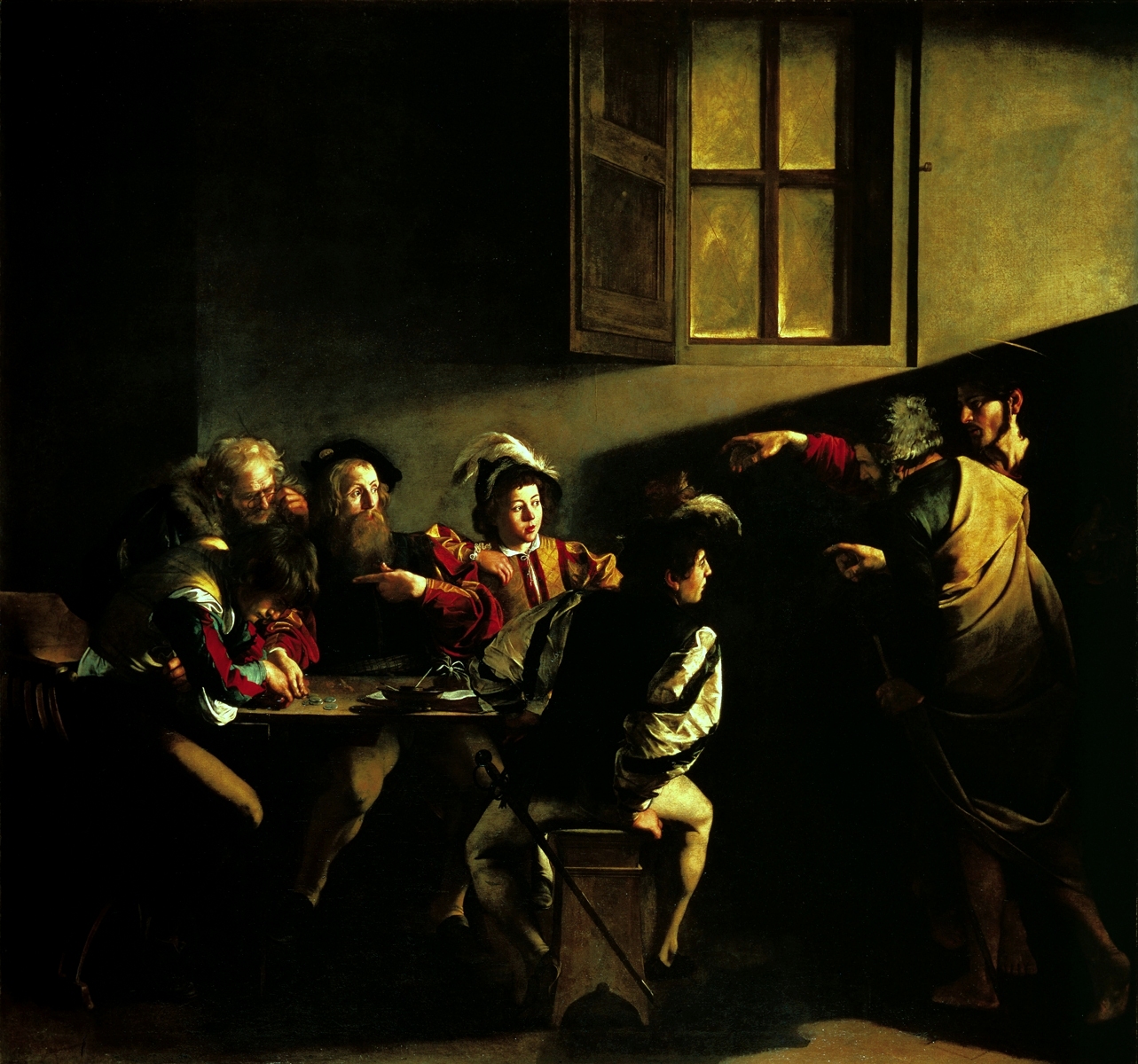
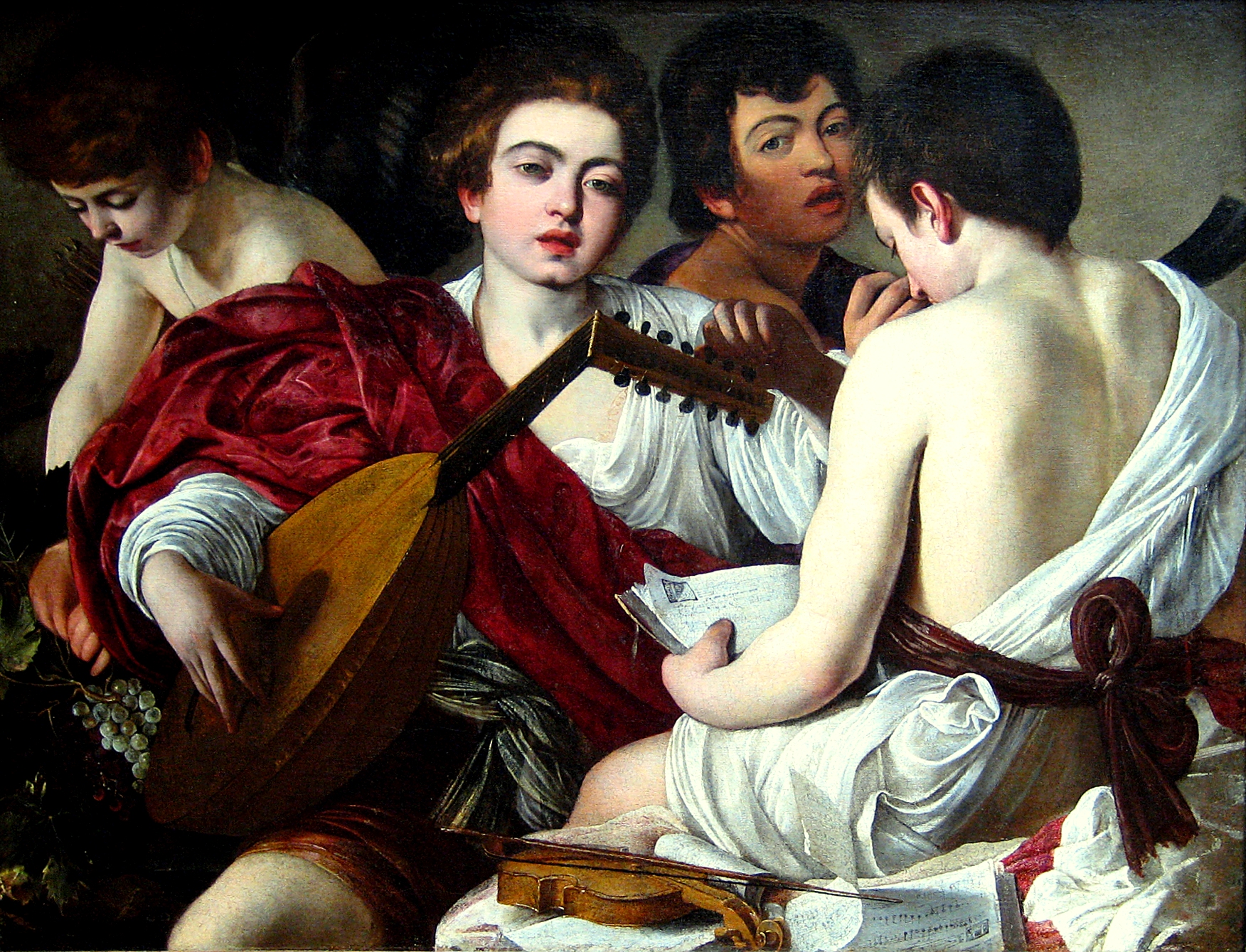
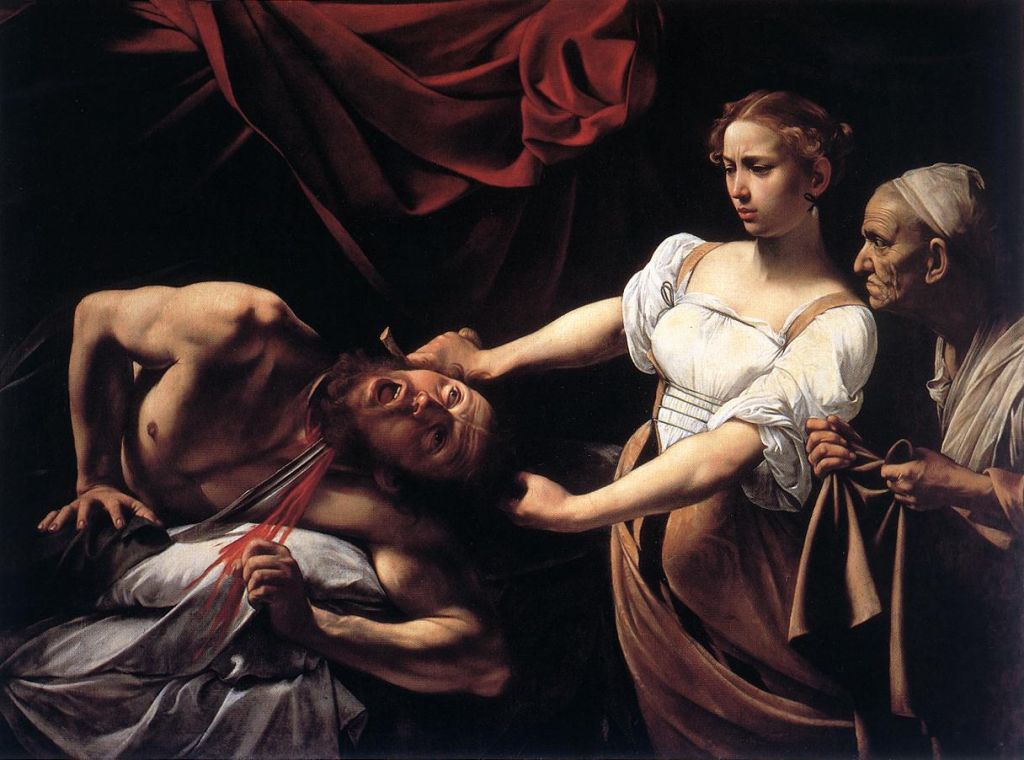
Caravaggio is considered to be one of the greatest artists of all time; his style was one of a kind, especially compared to the art in Italy. His method of painting was one of a kind, and a great reason for his popularity. He set the trend for future painters; he had many followers who took after him, but compared to the painters of his time, he was unique. He was a very different man, he looked at figures and stories in a completely different light (literally). His life was very short, as were many artists' lives in the early centuries, but still action-packed. He was born in a time of many of the great people we still know today. He ran from authorities much of the time and got into fights with all types of people. He had the type of attitude that no one liked, except his closest followers. I believe that his attitude affected his work. He went out with the intent to offend people and make himself feel like he was better than the next guy. He did that by pushing his paintings into an area where no one had ever gone. In the end, he was praised for it. He was an aggressive man and it shows through what we know of his life and this aggression is reflected in his compositions.
Caravaggio was born in 1571, as Michelangelo Merisi. He was born seven years after the death of Michelangelo, who is considered to be "the last and greatest of the Italian Renaissance [painters]" (Robb 7). He was also born twenty-one years before Montaigne, the first modern European writer. Caravaggio was born seven years after Marlowe and Shakespeare, Marlowe being the man who invented modern drama and Shakespeare being, arguably, the...
Reviews of: "The Violence of Caravaggio"
:
More Works of Art
essays:
"The Lady of Shalott" by William Holman Hunt: Fallen Woman to Feminist
... different ways: a feminist or a feminist disgrace. Both views are extremely arguable, I believe that there is more evidence that she was a feminist icon to women in the Victorian era. Looking toward the painting ...
The Starry Night in detail, that is, the history of its creation, the description of the painting and why it is considered to be the most famous picture by Van Gogh.
... Using different technical and compositional methods, Van Gogh managed to reveal his attitude towards universe. The Starry Night is a combination of bright and dark colours, this is done specifically by a painter to ...
The Temple of Athena and the Temple of Fortuna Virilis
... these authors further state, Greek temples are welcoming - they are less about mass than about light-filled space - and they do not exclude with monolithic walls (7). The Temple of Athena Nike is thus somewhat different from ...
Characteristics of Romanticism in the History of Art.
... of light paintwork to communicate the force and mass of the waves, creating an ominous mood of destruction and violence. In many paintings of ... and learn from nature, this also applied to the Romantic painters of the Revolution. It has been previously suggested that the ...
The Sleep of Reason Produces Monsters
... painting, he has chosen as subjects adequate for this work from the multitude of follies and blunders common in every civil society, as well as from the vulgar prejudice and lies authorized ...
"The Denial of St. Peter" by Caravaggio
... painting, the viewer is somehow involved with what is happening. One may almost feel as if he or she is the fourth witness of the accusations against St. Peter. What makes this possible, which is also so clever about Caravaggio ...
With reference to The Social Contract and one painting by David, discuss the way Rousseau and David explore the notion of duty to the state.
... and direct our attention to the important features of the painting. The columns divide the picture into three parts and the figures into three groups, each with a different purpose. The figures are part of the scene yet they ...
Essay on the "Birth of Venus" a painting by Sandro Botticelli in the Early Renaissance
... painting; it seems like an afterthought to the work. The background has the gentle rolling shore of the coastline with subtle highlights but no clear features. There is nothing to be seen on the island behind the goddess but different ...
Ending
A good beginning and middle, when you wrote "...punishment for crime focused more on retribution than on rehabilitation...", I thought you were going to comment on his demise - a suspicious end to a great career. Great to see a good piece here about one of the greats
1 out of 1 people found this comment useful.