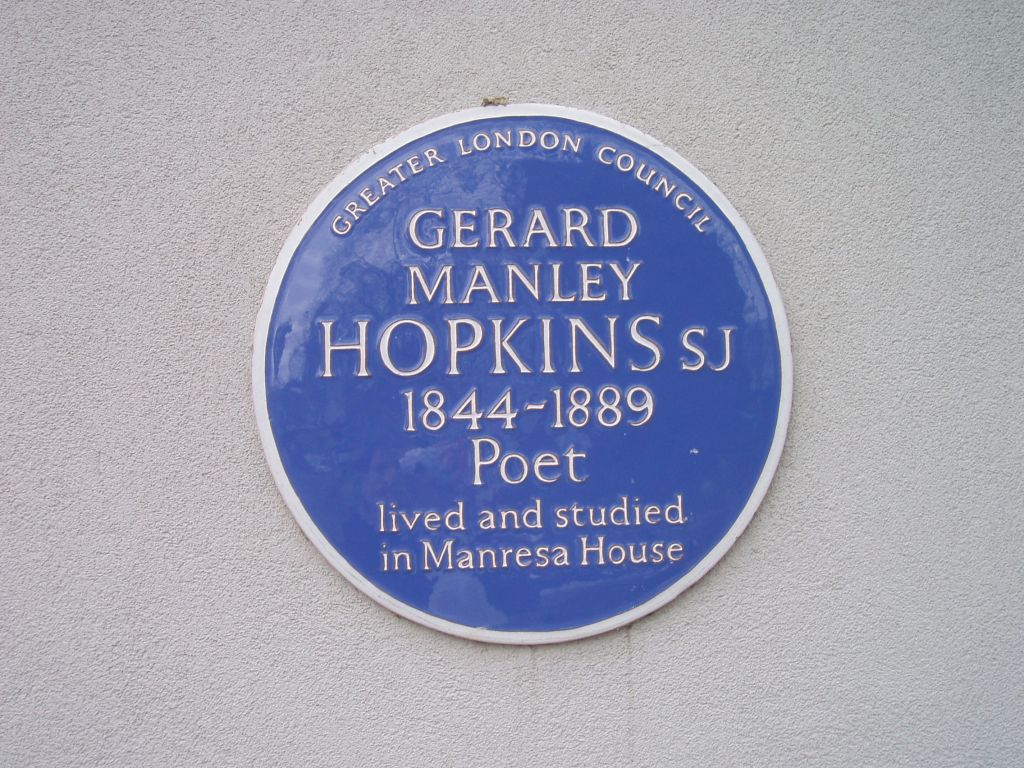
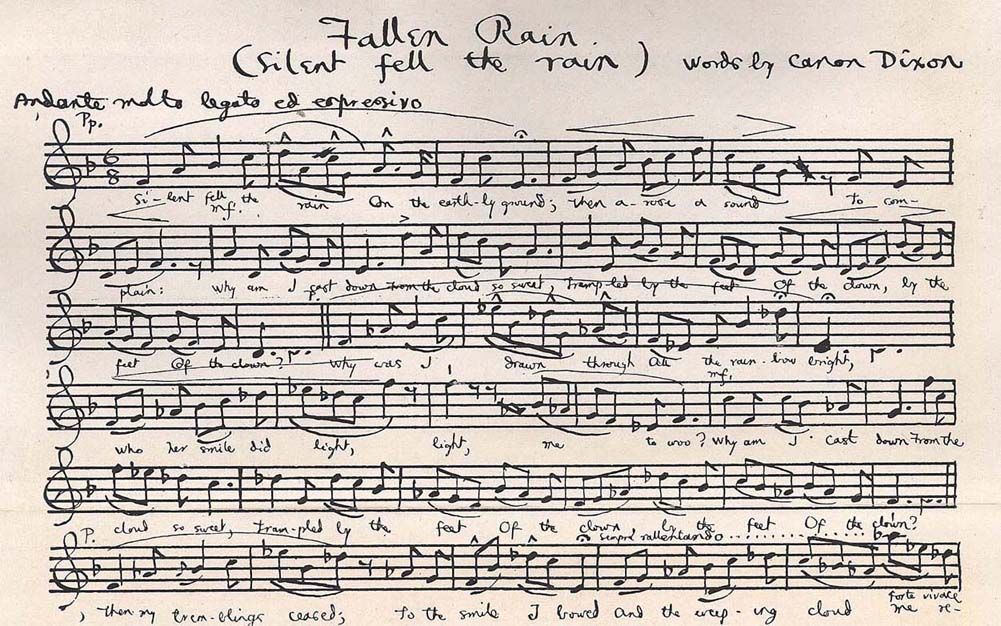
"The Way Through the Woods" by Gerald Manley Hopkins and "Binsey Poplars" by Rudyard Kipling.
Compare the two poets' representations of and attitudes to nature in 'The Way Through the Woods' and 'Binsey Poplars'.
-----------------------------------------------------------
These two poems, by Gerald Manley Hopkins and Rudyard Kipling respectively, are both concerned with how humans and how their presence among nature can have a negative effect. Both of these poems seem to agree that humans do have an influence on the natural evolution of nature; mainly due to the way humans interfere with nature. However, both of these poems illustrate different ways in the outcome of this interference.
Binsey Poplars, focuses on the destruction of nature; specifically the felling trees. In this poem the author (Gerald Manley Hopkins) displays many themes, directly relating to the humans devastation of the trees in Binsey.
But the most prominent theme exhibited throughout this poem is mankind's destructive attitude towards nature. Hopkins portrays mankind's destruction of nature as savage, senseless, and inhuman. He shows humans with disregard towards nature, and its possible that Hopkins believes that the felling of the aspens is unnecessary, even a breach of the trees rights. This atmosphere is built up mostly in the second stanza, using phonological effects. The use of 'Hack' and 'rack', as assonance in line 11, induces a severe, enraged mood. The harsh sounds help build up this tone. These examples are also forms of internal rhyme. Which again emphasises the destruction. It could be argued that these words are indeed onomatopoeic, representing the sound of the actual trees being hewed to the ground, with an axe. Another instance of this destructive attitude is shown again, later in the second stanza: 'When we hew or delve'. Here again we can clearly see Hopkins view on the mindless way humans destroy nature; 'hew' shows the fierce destruction of the trees. Also, structural affects are used...
More Poetry
essays:
Discuss the significance of sound and silence in TWO poems by Coleridge.
... between the wind in the wood and the breaking of the waves on the shore becomes witchery" (Watson 1985, 155). Cowper's influence on the poems of ... merely the result of arbitrary social conventions (Newlyn 2002). The idea that God reveals himself through nature is one that was typical of the romantic ...
"Imagery is the essential component in poetry". Discuss the appropriateness of this claim with reference to two poets studied.
... and 'The Whitsun Weddings' and Gunn's 'Nasturtium' and 'Cafeteria in Boston', but I will also be bringing in lines from other poems by these poets. These poets have very different ways of ...
Compare how the two poets handle their subject matter in the poems "To Daffodils" by Robert Herrick and "The Daffodils" by William Wordsworth
... at the biographical details of the poets studied. The two poems are very similar in topic they choose to write about but they handle their material differently. The content ... to the effect of Robert Herrick's poem. The first ...
The differences between eighteenth-century literature and romantic poems, with respect to history seen through the influental works of 'The Rape of Lock.' by Alexander Pope and 'The Eve of St. Agnes.' by John Keats
... The differences between eighteenth-century literature and romantic poems, with respect to history is constituted here. This is seen through the influential works of John Keats and Alexander Pope. These works are acknowledged as, 'The Rape of Lock' and 'The Eve ...
Describe the different aspects of chilhood through the 3 poems("Piano", "My Parents Kept Me from Children Who were Rough", "Half Past Two")
... seen through the child's eyes. The Title of the poem tells me a lot of information even before I read the poem. The information it puts across is that: A boy is told to stay behind until 'Half Past Two ...
Question- Do Vladimir Holan through the poem 'Meeting in a Lift' and Jaan Kaplinski through the poem 'A Last Cloud' interpret loss in the same way ?
... diversely, through the two poems. Vladimir Holan's "Meeting in a lift" is a poem interpreting a small and short life against great and immortal human desires, whereas Jaan Kaplinski's "A Last Cloud" decodes loss as a part of nature ...
War Poems: Compare and contrast a Pre-1900 war poem with a Post 1900 War Poem. (The two used here are "Come Up From The Fields Father" by Walt Whitman and "War Photographer" by Carol Anne Duffy
... At the end of the poem, Walt Whitman shows that some time has passed between the two verses and shows that the mother ... s only when he's developing them, that he realises the grim reality of what he is doing. "He has a job to do" His home is very different to where he works. When he is at home in ...
Portrait of medieval society in "General Prologue" of Geoffrey Chaucer's "The Canterbury Tales"
... trying to fit to courtly love ideals, forester merrily running through the woods, pardoners trying to deceive people with their speech and poor ... April. The nature is waking up to life. Another pilgrimage to Thomas Becket's tomb in Canterbury is setting out. People from different social ...