Why did it take so long for the Vietnamese Veterans to be recognized in Australia?
When the Vietnam soldiers returned from war, they did not receive a warm and friendly welcome. They were targeted by anti-war protesters as being the enemy. They claimed that they were evil and wrong to fight in a war, which they thought was useless, and none of Australia's business. They thought that all Australia was doing was following America into war. The public all witnessed the daily footage of the war, horrible images of dead women and children, homes being destroyed and the battles themselves. Soldiers were spat on, criticized and rejected.
"We often felt betrayed by Australian society which questioned out sacrifice and actions. The lack of public welcome and recognition on our return added to this sense of betrayal."
The veterans always felt that extremists went out of the way to make life hard for them. They felt a 'dark cloud of rejection' by both the public and the government.
But why did the public harass the returning soldiers so much? In previous wars soldiers had major parades and were considered heroes by all. What made Vietnam so different? There are some notable differences between the two. In both the First World War and the Second, there was a definite and major enemy and threat, like Hitler. You could see the threat and evidence that his regime had to be stopped, but with Vietnam there was only a slight chance that it could affect Australia itself. The Vietnamese Communists never attacked Australia, not like Japanese threats and bombings in WWII.
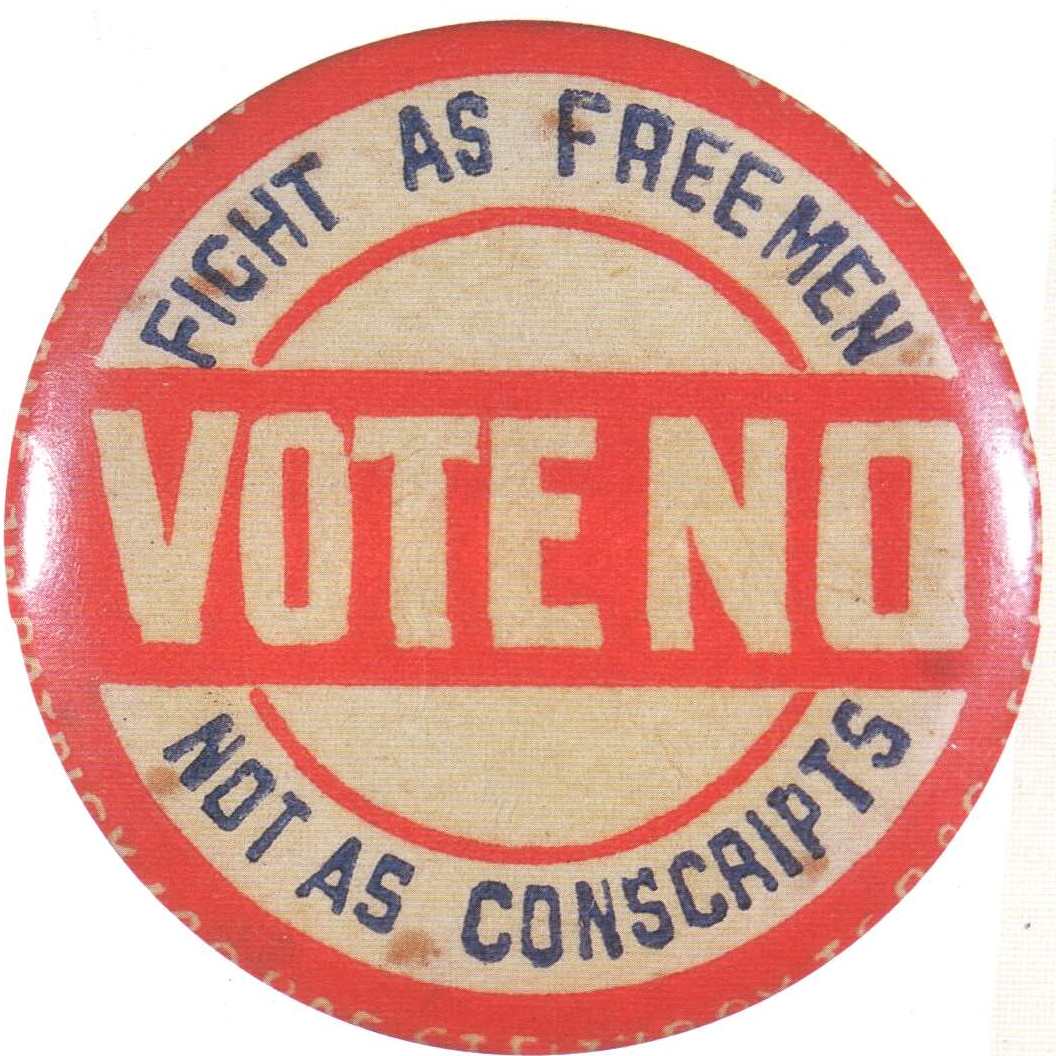
Conscription also had a major effect on this issue. People felt that the men were being sent against their will and had no intention of signing up voluntarily like in previous wars. Another factor was that the soldiers were sent in regiments, not as a whole, there was...
More Australian History
essays:
What are the principal philosophies of the Liberal Party? Why had the Liberal Party been so electorally successful over the years? Why did it lose the last election?
... which highlighted the concerns and aspirations of many people in Australian society. Menzies wished to balance individual freedom with a commitment to ...
Why did the ALP lose the election of December 13th 1975 so badly?
... on Australian participation in the Vietnam War, against which the Whitlam government was strongly opposed, particularly Australia's defense involvement. Whitlam abolished military conscription, freed seven jailed draft-resisters, offered conscription soldiers the ...
How and Why Did American Popular Culture Influence Australian Society in the 1950s and 1960s? To What Extent Did Australia Develop its Own Response to these Influences?
... for Australian society. This was the time were American had first been brought to Australia, until the 1950s Australia had ... drugs, remained a lot more politically minded, by holding many war protests, for example. The fifties played home to a time where ...
Impacts of the Vietnam War on Australian Society
... at Australias commitment in the Vietnam war movement only caused vaster fear for the troops and division amongst fellow Australians. Division and dissent within Australian society was ...
Australian society Between The Wars - 1920-1938
... in Australia were fitted with electricity. This affected Australian society because ... were soldiers around the age of 30, returning late from World War One, into this trauma of depression, intermingled with their horrible shellshock ...
The great depression.
... leading up to the Wall Street crash, the value of Australian shares fell and unemployment rates began to rise to13.1%. All of these facts combined to leave Australia in a very fragile state, and very much dependant on ...
Discuss and outline the history of the Eureka Stokade its impacts as well as the influence of its implementation
... Australian independence and democratic revolution, recognised as such by those who wished to destroy it and all it stood for as much as by those who fought beneath it. The Rebellion of the Eureka Stockade was a milestone in Australia ...
Miriam Dixson's The Real Matilda
... as outcasts resulting in poor self image. We see that Dixson's portrait of women in Australian society is very much a narrow point of view and is not a representative of all women in Australia; past or present. She makes ...