Why forgive?
E. H. Chapin was quoted as saying: "Never does the human soul appear so strong and noble as when it forgoes revenge and dares to forgive an injury". I believe Chapin understood what the majority of the world ignores. How is forgiveness daring? Is revenge not a matter of honour? We tend to think of pardon as a naive act of pacifism, but it is more than letting the wrongdoer off easy. Surprisingly, there is no greater revenge than forgiveness. Yet we are too easily distracted by vengeance to consider the power of mercy.
Why do people choose to take revenge? After being harmed, it is only natural that we seek justice and retribution. We long for atonement, and revenge provides us with that feeling of satisfaction, however momentary. It gives us a false impression of deliverance and redemption. It tricks us into believing that we have won justice. However, this short-lived contentment soon transforms itself into remorse and culpability. Thinking we have accomplished our objective, we have become no better than our offender. Revenge seems to be the more attractive choice at times because of its appealing promises of righteousness and honour, but it is merely an act on anger and resentment, far from rational thought. Therefore, we could never truly be satisfied with revenge, as it is not permanent.
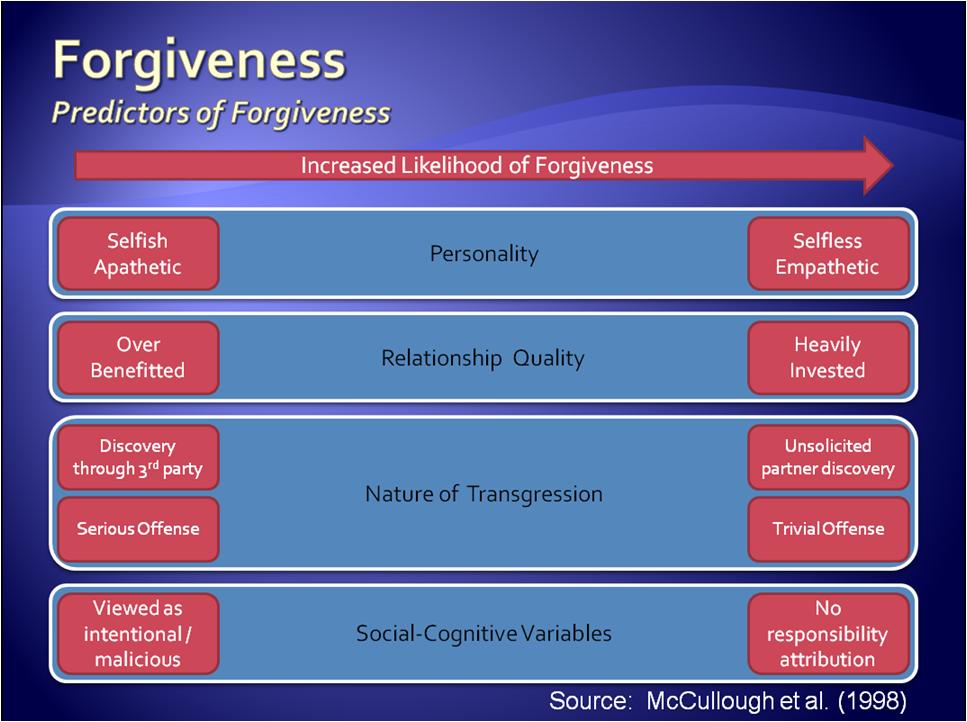
Although we are more likely to expect revenge rather than forgiveness, there are those who understand the meaning of Chapin's quote and are rewarded with peace of mind. Contrary to what we may assume, they have not forgotten their injury. They have decided to cease being the victim and free themselves from the pain and grief. It is difficult to let go of the feeling of resentment because we humans have trouble ridding ourselves of evil. Everyone wants to...
More Philosophy
essays:
Essays on Suicide and the Immortality of the Soul: The Complete 1783 Edition David Hume
... laws of honour are more immutable than those of fortune. You bear them, I must confess, with fortitude. Virtue supports you; advance but one step farther, and she disengages you. You intreat me to suffer; my lord, I dare importune ...
Simonodes (via Polemarchus) argues in the first book of "The Republic" that justice is paying back what is due. Defend or argue against this position.
... view of retribution, this would bring about evil rather than good in society. In addition to this notion of goodness, Plato views justice as being a matter of knowledge ...
Everything that happens is inevitable.
... practical objectives such as protection of the public, deterrence, rehabilitation and reparation. There's simply no need for it to be based upon notions of punishment and revenge, which ...
Stoicism
... gravity of the matter, thus transforming the philosopher into a hero obliged to live in accordance with his daring theories ... divine retribution, this makes the actions of the Stoic even less understandable to the critics of Stoicism that try to explore the motives of this ...
The Philosophy of Religion. The God of Philosophy
... make matter the first cause? Matter is the substance that any physical object is composed of. Matter is ... court of justice with accuracy and judgment may find themselves often distinguishing between true and false. If ...
The Dilemma of the Philosopher and the City
... facts of nature. He proposes justice and objects injustice ... 501a). Building a totally fresh regime is always easier than transforming the old, because it is not possible for all the ...
Can Justice in the State Exist in the Individual? Plato
... describe their own version of justice: Cephalus argues that justice is a matter of self-interest; Polemarchus suggests justice is helping one's ... promote individual, but rather collective happiness and has each class perform their respective roles adequately. This is illustrated in 420b: "the object ...
Explain and evaluate Sartre's claim that emotion "is a transformation of the world... "
... problems. In this sense emotional outbursts, the transformation of the world from one relationship between the body and object to another, are useful. ... those means. We act as if our projects don't matter, and as if there would be no way of achieving them anyway. In Sartre's terminology we become 'de ...