Why was it that the USA intervened in Vietnam between 1954 and 1963?
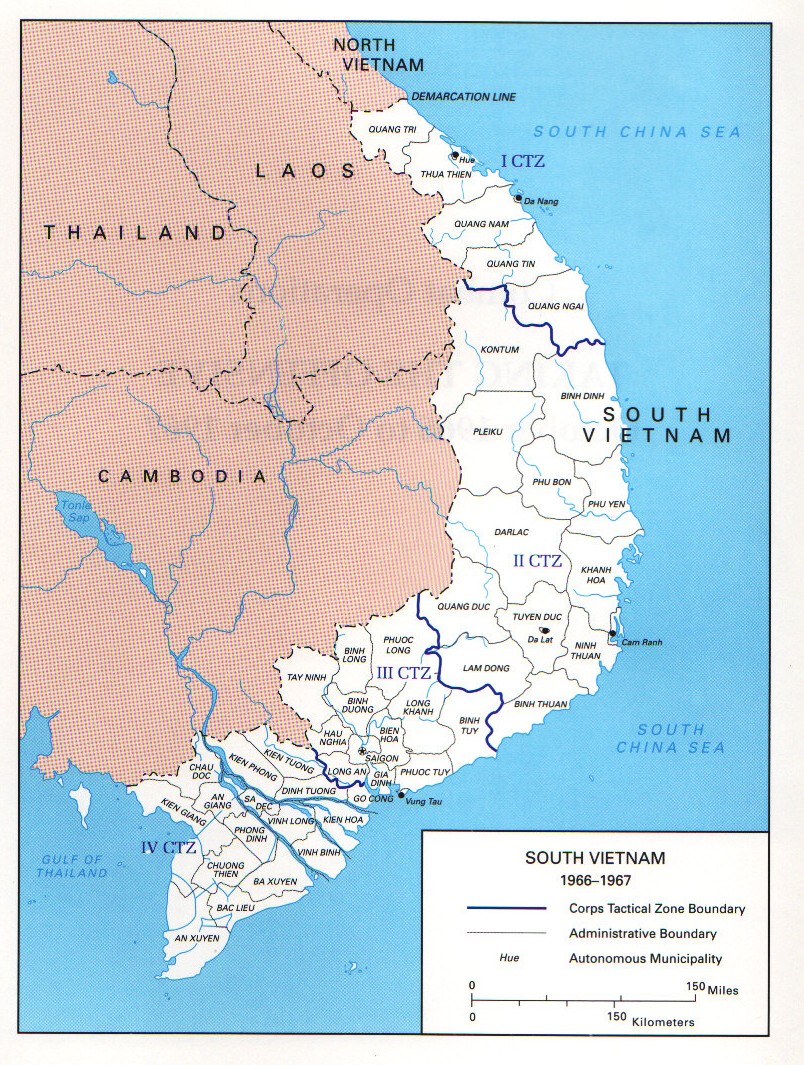
Vietnam, as a part of Indochina, had been under French Control since 1887. After the withdrawal of French in 1954, the US intervened in the Vietnam War due to the lessons from China, Korea and domino theory, weaknesses of South Vietnam and Vietcong.
The US saw China and Korea fell as dominoes in 1949 and 1953. They were not prepared to see another falling domino. Not only this, if Vietnam fell, the countries around will be influenced in the mean time, including Cambodia, Laos, Burma, Thailand, Malaysia and even India and Indonesia. The Geneva Agreements in 1954 has divided Vietnam between 17th parallel, the North was under communist system. This was already a failure of Containment and a failure in the battle against communism. Thus the US saw more threats of Communist taking over in Asia and they were willing to do actions on it.
The unpopular and corrupted government in South Vietnam, Republic of Vietnam, was also another issue to the US. This meant that the north Communists, Vietcong, could be welcomed by South Vietnamese and easier to take over. This was because of the crucial dictatorship under Ngo Dinh Diem and his family members. First of all, he was a Catholic in a country where Buddhists were in majority. He banned on the flying of the Buddhist flags on the Buddha's birthday and led to times of demonstrations. Some monks burn them up to show the anger and revolted. Secondly, the North has distributed lands to every peasant when Diem gave lands and wealth to Catholics and Governors. Thirdly, the National Liberation Front had been formed compose of 12 different national groups to oppose Diem's government.
Before the withdrawal of French, America paid 80% of the French war effort in Vietnam, after the withdrawal the USA transferred its...
More Asian History
essays:
Why was it that a great many of Americans opposed US involvement in the Vietnam War?
... in South Vietnam was attacked during this offensive. Tet Offensive was the turning point of the whole Vietnam War. Even though in terms of military ... first 'domino' from falling, the long duration of the war proved that this war would ...
How were Pol Pot and the Khmer Rouge able to maintain power in Cambodia between 1975 and 1979?
... peasant - Communistic state (Cook). "The CPK [Communist Party of Kampuchea] attempted to distract people's attention from their situation by informing the peasants that life in Cambodia was superior to that in Vietnam, where ...
Why and with what success did the UN intervene in the Korean War?
... stages of the Korean war?" Century China. 1998. 16 Oct. 2005 . · "Korea of Juche." History-Democratic People's Republic of Korea. 2005 ... the time. China, too could be considered underrepresented since only Taiwan had a say in the security council. With the two communist giants ...
Why did the USA fail to save South Vietnam from the Vietcong?
... domino effect or theory. In 1954 when French withdrew its soldiers from Vietnam after been attacked by Vietminh, especially Dien Bien Phu in 1954, Vietnam was divided into two between 16th parallel. North was under Ho Chi Minh's communist system ...
Strategies used by the opposing sides in the Second Indochina War (1965-1973)
... Second Indochina War (1965-1973). Why was it inevitable that the South (USA and Republic of Vietnam) would be defeated?It was inevitable that the USA and the Republic of Vietnam would ...
Vietnamization and it's lasting effects on South Vietnam and it's Fall
... democratic of Vietnam, and in the south a random collection of non - Communist factions, led by Ngo Dinh Diem, formed the Republic of Vietnam. The general elections provided for by the agreement never ...
To what extent did economic considerations influence the American decision to go to war in Korea?
... Yugoslavia, China, North Korea, and Vietnam.4 And when Communist North Korea, invaded South Korea, the USA started to worry if South Korea would fall to communism, too thus endangering Taiwan and Japan according to the Domino Theory. C Evaluation of ...
How did the Chinese Southern Diaspora emerge, what was its uniqueness compared with other diasporas, and in what ways is it changing nowadays?
... groups associated with global capitalism and its modernities. People's Republic of China. China's transition to republican rule and her rise as an ... some Chinese fled to countries such as Japan, Cambodia and Vietnam to seek refuge. Out of the Mongol Yuan dynasty's interests in trade, ports were ...