Without friction the world would be very different! It would be so strange in a bad and good way.....
For a start, walking would be different because when you put your weight on the foot behind you there would be nothing to stop it sliding. You would fall over and not be able to walk. It would be very hard to get around. You could consider blowing yourself around but it still wouldn't work. Taking in a breath, you would slide forward and then blowing out, you would slide backward!
Having no friction when walking could also be a huge advantage. You would be able to push yourself off against a wall and slide huge amounts of distances forever without being slowed down or even stopped by friction. A way to stop would be by just going into a wall!
Buses, cars, trams, trains and bicycles wouldn't work because their wheels rely on friction to move.
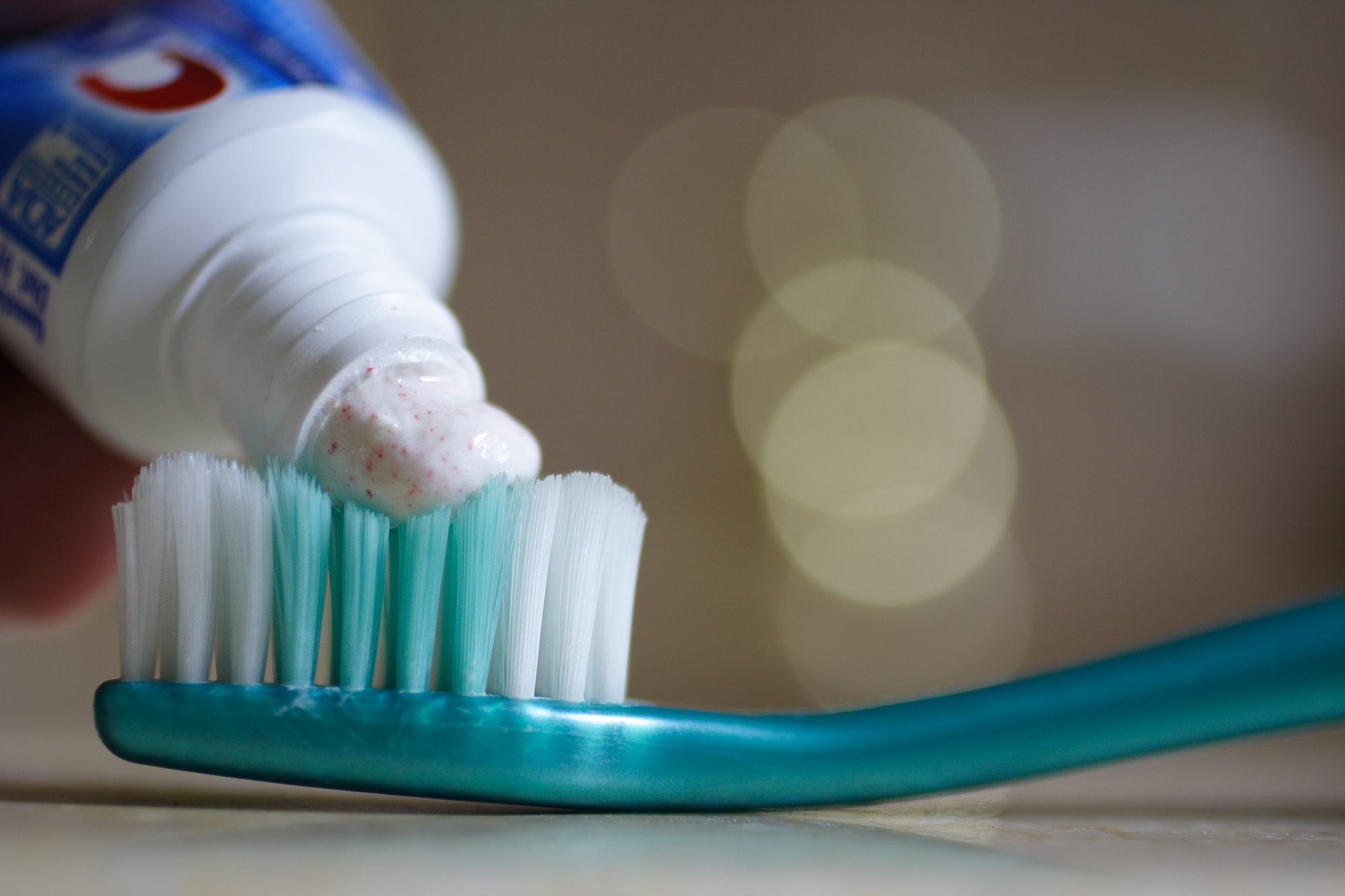 English: Putting toothpaste on a toothbrush. The t...
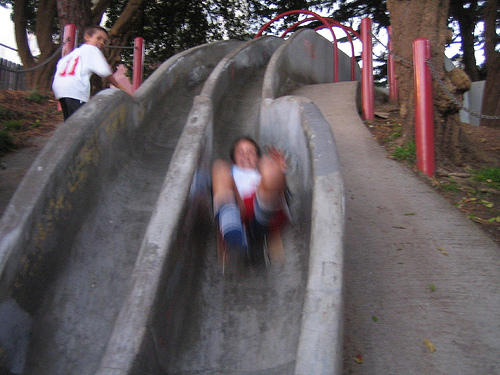 Going down...
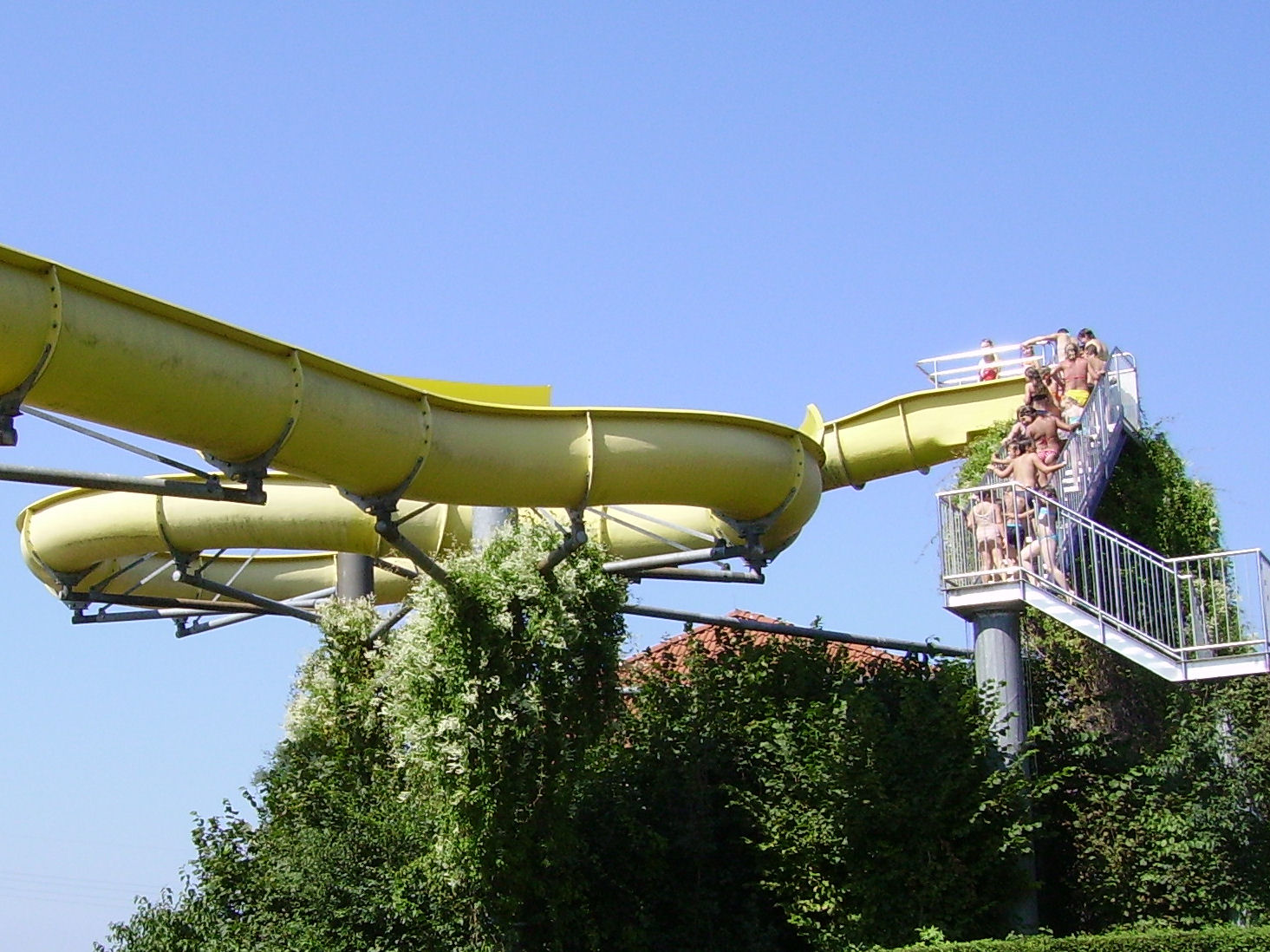
 English: Water slide bowl attraction
Magnetic transport would have to be created where vehicles would move towards to a magnet that is attracting it. This could be very costly! Brakes would have to be created but they wouldn't be allowed to rely on friction like all vehicles do today. Without vehicles opertaing on engines the world would be a lot cleaner and a better place for people to live.
Every part on earth that is assembled and kept together with knuts and bolts would fall apart! Can you imagine, building, sky scarpers and famous monuments falling apart because there is no friction to keep their nuts and bolts together!
Without friction it would also be very hard to brush your teeth and this will be an uncomfortable thing for people to live with! It would be very hard to actualy take grip of the toothbrush and once you finally do grip it tight enough so it wont fall out you would barely be able to actually brush your teeth. The toothbrush would just slide across your teeth so fast that you would spray your face with toothpaste! You would then be likely to try wipe the toothpaste off with a towel but it would also slide across your face and spray some paste on the walls. Even to grip the soap would be a challenge. We would have a dirty and smelly population! Also people wouldn't be able to keep there waste in because there would be know friction between their intestines and waste but I wont get into that......
A lot of sports would be very different. In football the ball would be very hard to grip and kick the ball (if the footballers could move without slipping). The ball would flow like a table tennis ball because of lack of friction. All racing sports would be cancelled as there would be no way of starting, slowing down or even stopping. The world would have a lot of violin players who would be very unskillful seing they would be unable to produce a note with their bow and violin. The bow would just slide right across the strings!
In watertheme parks water slides would need to be built with more of a horizontal degree otherwise people slide down at the speed somene drops down from a high height! One they do reach the ground, they wouldn't stop so a brick wall would need to be built facing the slide. There could be a lot of bruised bodies involved!
The world would be a very unsafe place for people to live. When meteors enter the earth's atmoshphere there would be know air resistance to break them down. Therfore, the earth would be hit with bigger meteors. This could lead to mass destruction!
Friciton also has its advantages. No engine would ever fail or have to be repaired. Engines would last forever. If there is no friction no engine would weaken, therfore no oils would be needed to repair an engine thus the world's oil supplies would be a lot greater. Tyres of cars would not wear down and cars would be more efficient because they would not have to overcome any drag forces (friction cause by moving through air at high speeds).
 A simple body slide.
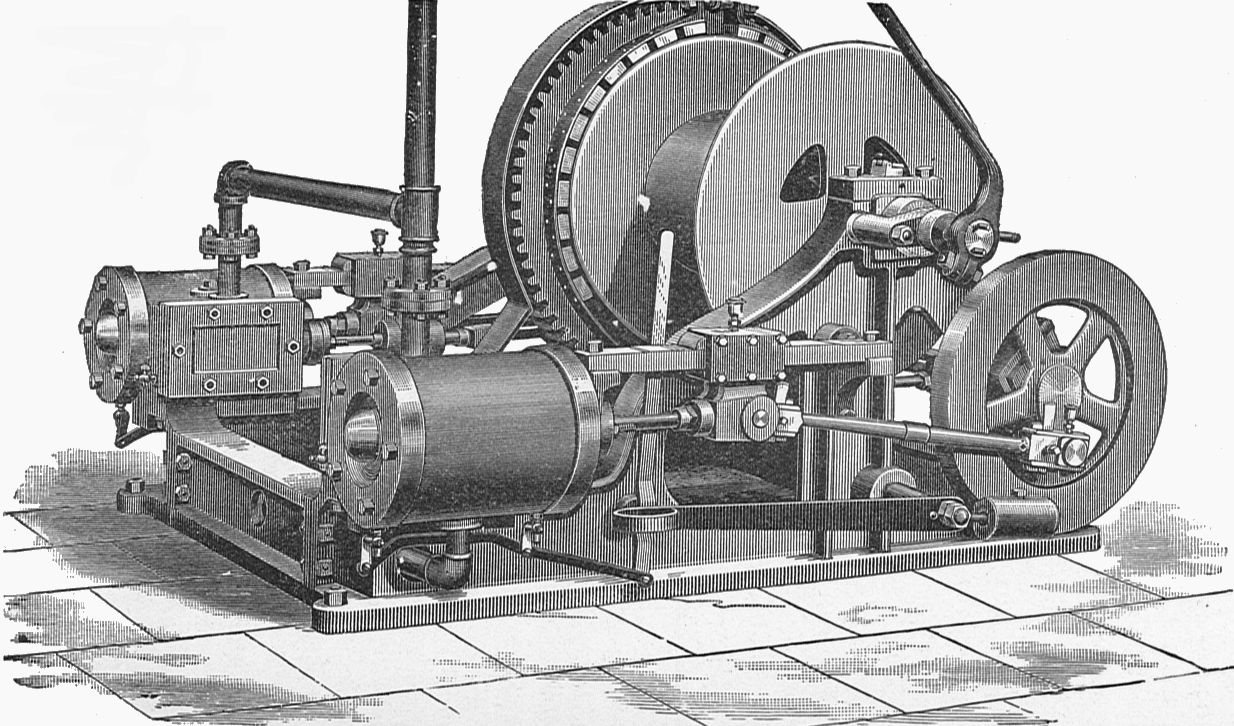 Scans from an 1897 engineering textbook, revised i...
 English: Koepe (friction type)) winding engine, cl...