Aristotle and The Human Good This is an essay on Aristotles arguement that happiness is the highest end of human good. I argue against his points and give details why
Aristotle and The Human Good
In book I, Nichomachean Ethics Aristotle argues the highest end is the human good, and claims that the highest end pursued in action is happiness, "What is the highest of all goods pursued in action...most people virtually agree
He does not leave room for error in his theory as he considers his theory "absolute" and final. By doing so Aristotle is making a very bold assumption that there hasn't been a single child or animal that has ever or ever will experience happiness, in this case meaning a "flourishing life". This is drastically going out on a limb as one may argue that a child that knows the good and happiness is able to comprehend and have full reason of happiness. A child knows between right and wrong even if they do not make it apparent at a tender age. This said why would a child not be able to achieve happiness then? To say that a child cannot have reason but state that what separates man from animal is reason is contradictory. Aristotle's characterization of the human good and happiness and the flaws within it are written as follows:
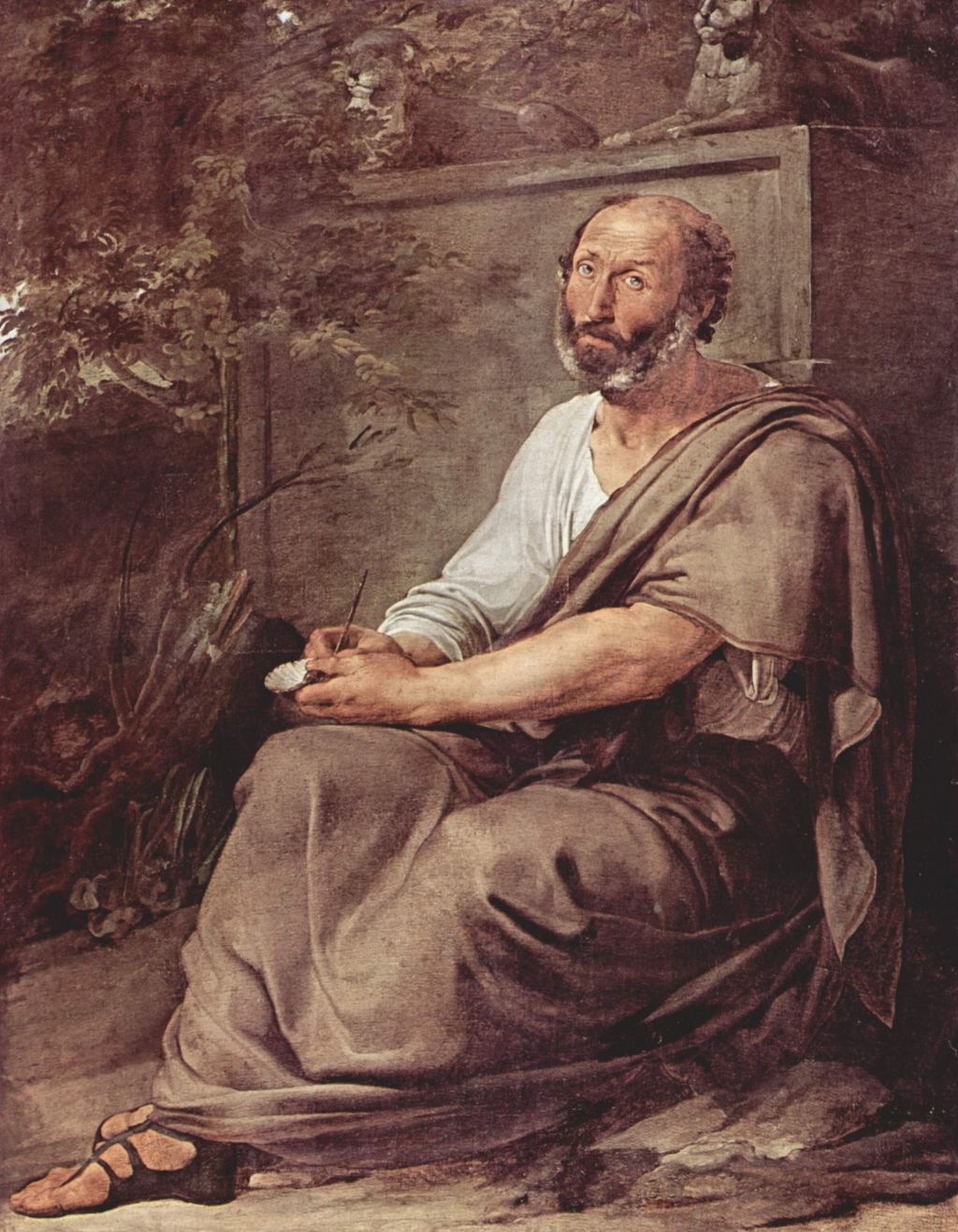
Aristotle argues that...
More Classical Philosophy
essays:
According to Aristotle, how is it that being a good person will also lead to happiness?
... what you think, what you say, and what you do are in harmony." - Mahatma Gandhi AS "Happiness depends upon ourselves." - Aristotle In Nichomachean Ethics, Aristotle argues the highest end is the human good, and claims that the highest end pursued in ... Ethics, Aristotle argues the highest end is the human good, and claims that the highest end pursued in action is happiness. Also, Aristotle claims that happiness is achieved only by living a virtuous life - "our definition is in harmony with those ...
Aristotle: A Comprehensive View on Nature and Society
... , we can begin the analysis on Aristotle's ethical system. In investigating Aristotle's Nichomachean Ethics, it is important to ... perfectness or excellence (arete) in our nature, we achieve perfect happiness. Specifically, for Aristotle, the best way to come close to achieving the perfect ...
"Aristotle on Business Ethics" is a short essay on the ideas of Aristotle and how they may apply to the business ethics which we hold today.
... and the whole community. Finally, one may wonder how human beings are to reach the happiness and live ethical lives which was mentioned previously in this essay. Aristotle believes that it is part of human nature and human need to be ... '" (Browning C3). There are many people today who believe in the great importance of ethics in business and would like to see more values-based decision making. Aristotle's ideal situation for business's today, all corporations and partnerships would have ...
Aristotle: Why a life of contemplation is the happiest.
... In Book X of the Nichomachean Ethics, Aristotle discusses the various lives that people lead in order to achieve true happiness. He suggests a particular few to be the best candidates for this, yet concludes the most pleasant to be the ... it will result in the happiest of lives. Aristotle's Nichomachean Ethics contain a lot of thought provoking material. I agree with his claim that the ultimate goal of humans is to be happy, however was not persuaded by his argument ...
Friendship and Self-Love in Aristotle's Nicomachean Ethics
... in true friendships one will love his/her friends as he/she loves him/herself. Friendship And Happiness In Nicomachean Ethics, Aristotle examines happiness, which he defines as "the good towards which every human action is directed." Friendship brings people the ... in other misfortunes men think friends are the only refuge." (Nicomachean Ethics-Book VIII: http://classics.mit.edu/Aristotle/nicomachaen.8.viii.html). This shows that friends can make people happy by providing help and security. One can only live well ...
Evaluate Aristotle's argument(s) for his claim that happiness (eudaimonia) is the goal of human life.
... the arguments up to this point have been taken from Book 1 of the Nicomachean Ethics. But Aristotle also discussed happiness in Book 10. He describes happiness as a good activity and not amusement. For "it would indeed be strange if ... and one of which (the Philosopher) is only achievable by a few. Overall I would in general agree with Aristotle that happiness is the goal of human life. But I also find that in today's world his eudaimonic life is ...
Aristotle on happiness
... . The reason might be that they look in the wrong directions seeking it. In his "Nicomachean Ethics", Aristotle analyzes the problem and tries to show us what happiness really is. Aristotle thinks happiness really exists and persists through life. For him ... is a problem. The media shows us every day the unhappiness of the famous. The reason might be that they look in the wrong directions seeking it. In his "Nicomachean Ethics", Aristotle analyzes the problem and tries to show us what ...
Aristotle in "Nicomachean Ethics"
... will be hindered from accepting ethical knowledge. Some think that happiness is to be found in pleasure, others that it is to be found in honor and others that it is to be found in contemplation. Aristotle clarifies these thoughts by ... happiest lives, and one of which (the Philosopher) is only achievable by a few. Overall I would agree with Aristotle that happiness is the goal of human life. But I also find that in today's world his eudaimonic life is ...