Bacterial Pathogens in Food\Waterborne Disease
The Pediatric Bulletin
Myrna R. Nieves, MD FAAP
http://home.coqui.net/myrna/food.htm (10/03/04)
SHIGELLA
Shigella spp. were the second most common cause of bacterial foodborne illnesses reported by the CDC from 1983 to 1987 and the leading cause in bacterial waterborne outbreaks during 1986 to 1992 in the US. There are four species: Shigella dysenteriae, Shigella flexneri, Shigella boydii, and Shigella sonnei. Although this pathogen has been reported in contaminated food and water, the principal mode of transmission is person-to-person contact. There is no known animal reservoir. Shigella is capable of surviving in foods such as milk, whole eggs, flour, and shrimp up to 30 days. Foods incriminated in Shigella outbreaks in the US include shellfish, fruits, vegetables, chicken, potato salad, fried rice, and Mexican food. Outbreaks of shigellosis have been reported in summer camps for the mentally impaired, among institutionalized persons, and on cruise ships. Waterborne outbreaks have been related to ingestion of water contaminated with human waste during swimming or bathing.
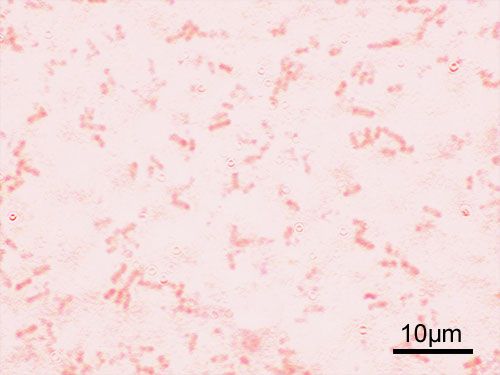 Microscopic image of Shigella flexneri. Gram stain...
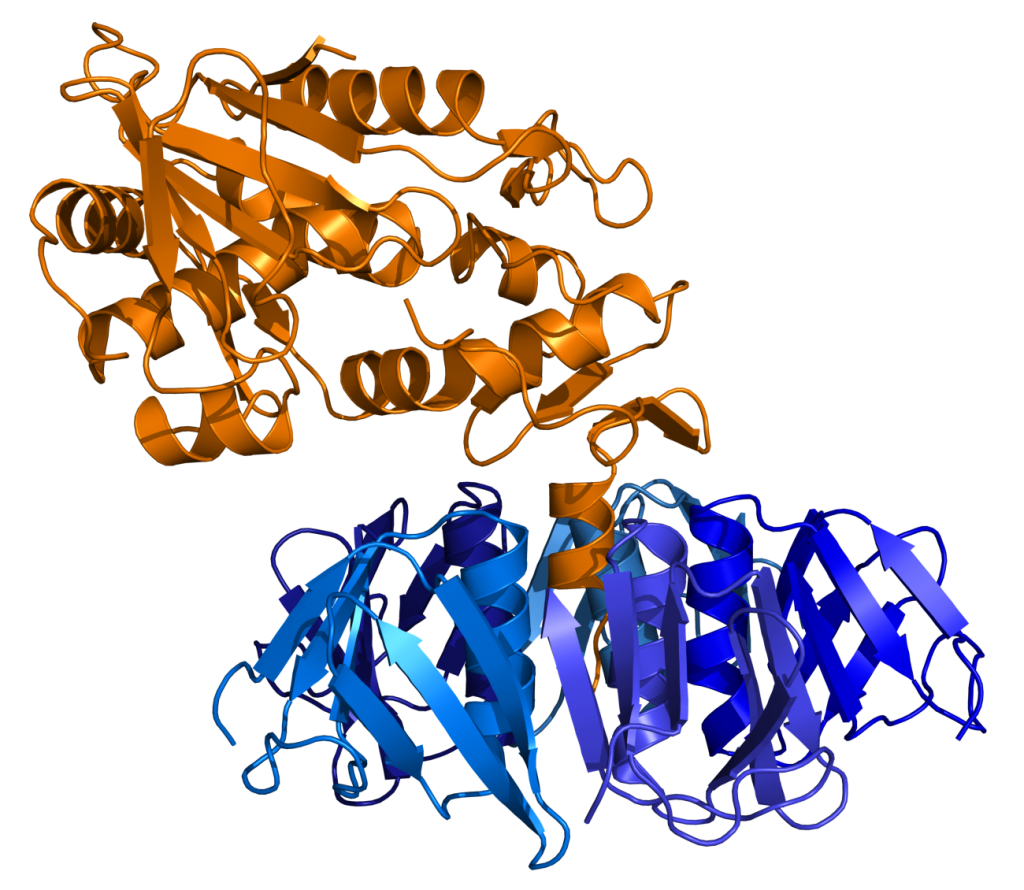 Ribbon diagram of (Stx) from Shigella dysenteriae....
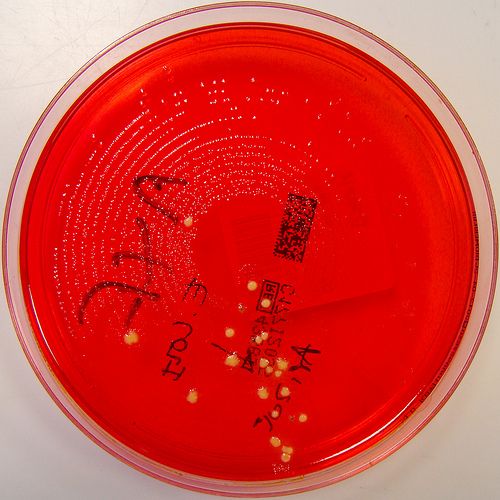 Shigella species on X.L.D. Agar
Clinial manifestations include an abrupt onset with high fever, toxic appearance, and crampy abdominal pain. Profuse watery diarrhea may be followed by small amount of mucous and bloody stools whose passage is associated with urgency and tenesmus. Antimicrobial therapy of susceptible Shigella strains dramatically shortens the duration of diarrhea, fever, and period of cummunicability. The choice of antimicrobial therapy can be difficult due to the frequency of antibiotic resistant strains. Nalidixic acid, TMP-SMX, oxyquinolones, ceftriaxone, and cefixime are considered adequate empirical therapy, but susceptibility testing is recommended for all isolated, and therapy modified accordingly. Complications include rectal prolapse, seizures, leukemoid reaction, hemolytic uremic syndrome, and Reiter's syndrome. Strict attention to hand-washing and personal hygiene is necessary to prevent spread of shigellosis.
http://www.sciencenet.com.au/shigella.htm#biochemistry (10/03/04)
Medicine
http://www.emedicine.com/ped/byname/shigella-infection.htm (10/03/04)
Background: Shigella is the most common cause of...