Bipolar Disorder: Its Causes and Effects
At least 2 million Americans suffer from bipolar disorder, more commonly known as manic-depression. This illness usually begins in adolescence or early adulthood and continues throughout life. Although it may come into affect at any time, most individuals with the disorder experience their first mood episode in their 20's. However, manic-depression quite often strike teenagers and has been diagnosed in children under 12. 1% of the population will have a manic depressive illness. It affects men and women equally, but women are three times more likely to experience rapid cycling. Environmental factors such as death, separation and divorce may trigger the disorder.
The risk of suicide among persons afflicted with bipolar illness is unrealistically high. As many as 1 in 5 people with this disorder have committed suicide. This rate is nearly 30 times greater than that of the general population. Research suggests that people who commit suicide, whether depressed or not, tend to be more impulsive in their behavior.
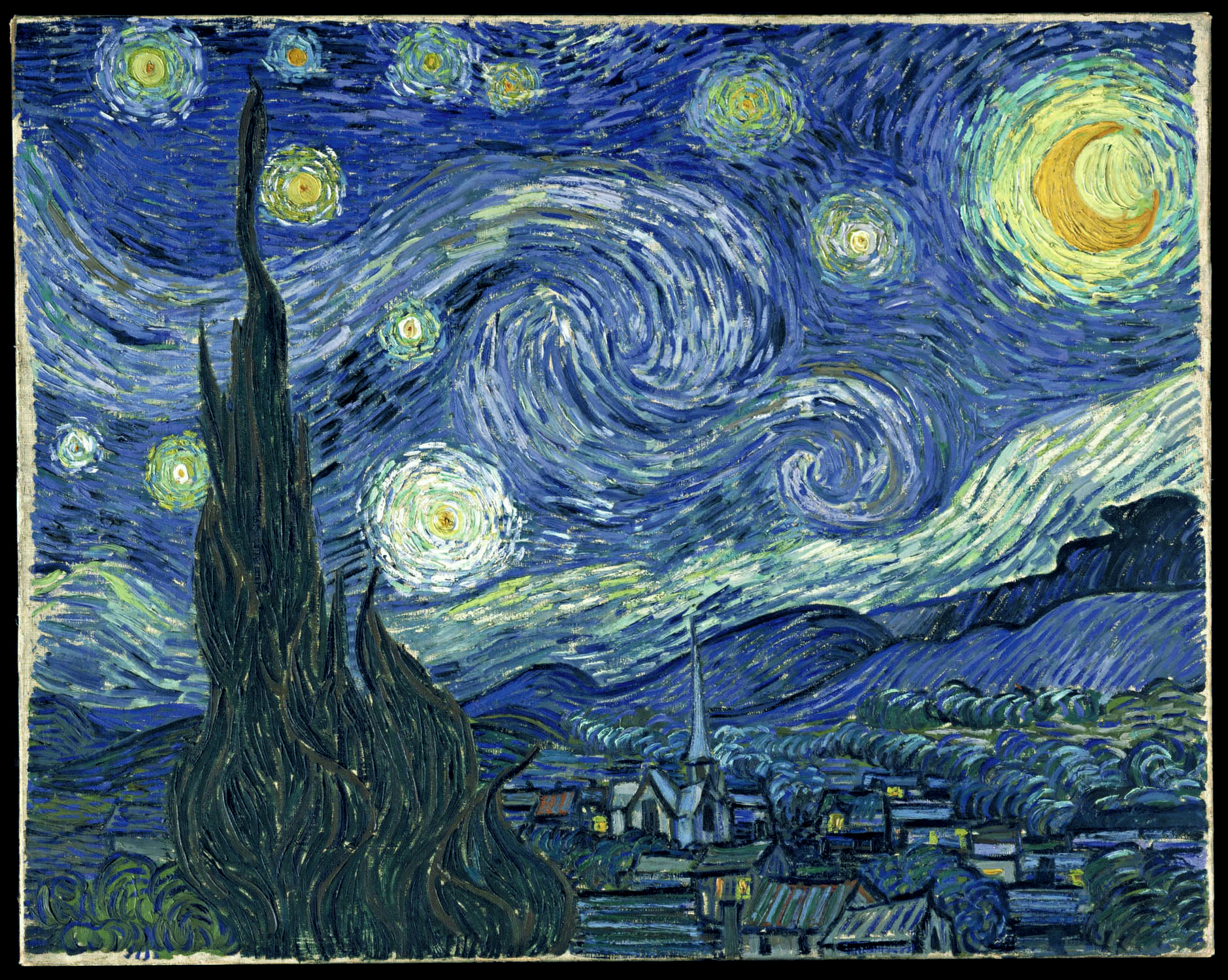 Vincent van Gogh, The Starry Night. Oil on canvas,...
 Sodium valproate is a common mood stabilizer
 English: MDF Bipolar Organisation, Mill Street, Ne...
Manic-depressives, due to their spontaneous nature, are more likely to commit suicide than depressives. Such creative geniuses as Ernest Hemmingway, Sylvia Plath, Anne Sexton, Vincent Van Gogh and William Faulkner are all documented depressives. And some believe that there is a chemical link between creativity and/or genius and depression. Characteristics of manic-depressive illness and creative accomplishment are very closely similar. The ability to function well on a few hours of sleep, the focus needed to work intensely, bold and restless attitudes, and an ability to experience a wide variety of emotions with great depth are all part of creative genius and depression alike.
Manic depression involves alternating episodes of serious mania and depression. An affected person's mood can swing from excessive highs (mania) to deep hopelessness (depression), usually with periods of normal mood in...