The Chemical Element Florine
THE CHEMICAL ELEMENT FLUORINE
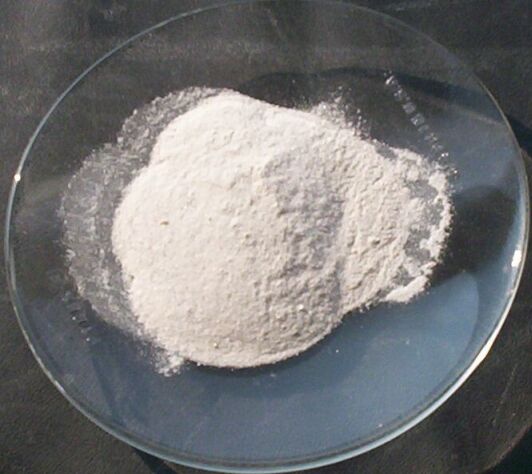
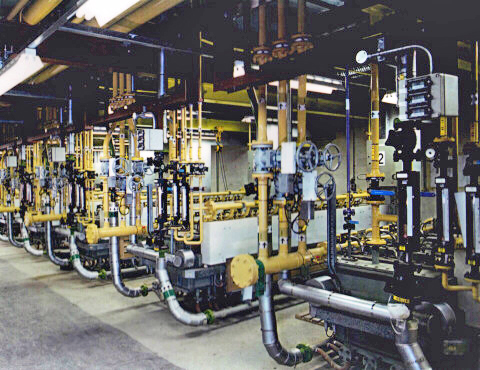
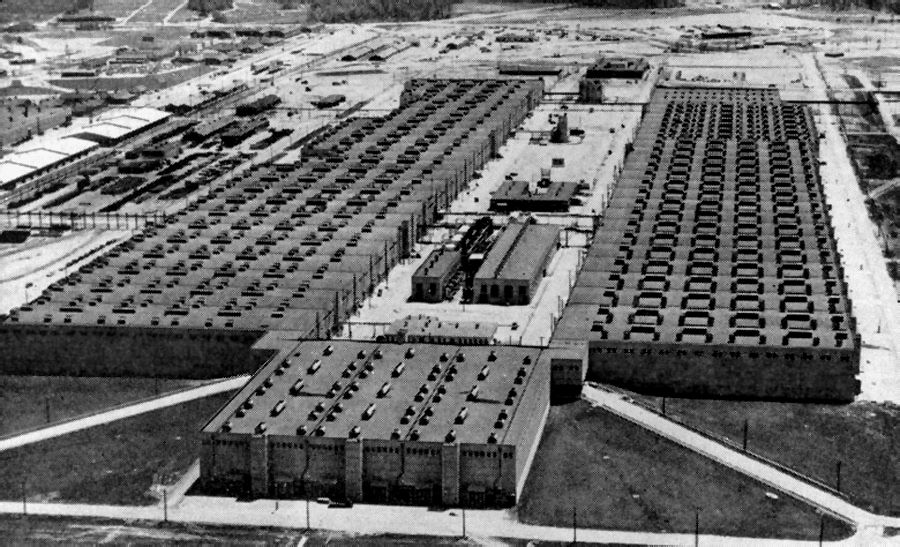
Fluorine is the thirteenth most abundant element and compounds containing fluorine are found in all living things. It is a tiny atom and is the most reactive of all the elements. It can only be separated from its compounds using large amounts of electrical energy. Fluorine is so reactive that it can extract oxygen from water and it also releases oxygen as a gas. Compounds of fluorine are called fluorides and most fluorides dissolve in water and oil. Fluorine is so corrosive that finely divided glass, metals, carbon, ceramics and even water burn in fluorine. It was used in atom bombs and nuclear energy projects after the II World War. Fluorine can now be transported by the ton but you won't be able to buy it at shops since it is highly toxic. Below is the atom structure of fluorine.
FACT FILE
Name: Fluorine
Symbol: F
Atomic Number: 9
Atomic Weight: 18.9984032(5.)
Group in Periodic Table: 17
Period in Periodic Table: 2
Group Name: Halogen
Block in Periodic Table: p-block
Standard State: gas at 298 Kelvin
Colour: pale yellow
Electrical Resistivity: unknown
Melting Point: -219.62 degrees
Boiling Point: -188.12 degrees
Origin of Name: from the Latin word fluere meaning to flow.
THE DISCOVERY OF FLUORINE
Fluorine was first discovered in 1670 by a Frenchman named George Gore who came across the element by accident. He was etching glass using Bohemian Emerald (known as Calcium Fluoride) and made a little fluoride through an electrolytic1. His apparatus blew up due to a chemical reaction between the fluorine and hydrogen. It was finally isolated in 1886 by Ferdinand Frederic who used an apparatus constructed of platinum. His reward was the Nobel Prize for Chemistry in 1906.
USES
*Fluorine and its compounds are used in producing isotopically fractionated uranium (UF6)...
More Science Essays
essays:
Nuclear energy has perhaps the lowest impact on the environment--including air, land, water, and wildlife--of any energy source.This essay is about all you'll need to know about Nuclear Power.
... land, water, and wildlife--of any energy source, because it does not produce harmful gases, isolates its waste from the environment, and requires less area to produce the same amount of electricity as other sources. Nuclear power ...
How the Periodic Table of the Elements Works. Includes arrangement, history, applications and more.
... of elements in order of increasing atomic weight. The actual person who made the most progress over the construction of the periodic table is unsure as two scientists; Dmitri Mendeleev and Lothar ...
Nuclear Energy
... The nuclear forces of each type of nucleus determine the amount of energy that would be required to release its neutrons and protons. Isotopes. Most chemical elements have ...
Nuclear Energy: Substitution for Oil or a Possible Source of Mass Destruction
... the Periodic Table of the Elements. Those eleven elements go after uranium. This waste mostly comes from the nuclear weapon production and is ... the nuclear energy contains or new atomic plants will devastate the environment and wipe ...
The Atomic Bomb
... sphere of plutonium into a core made up of the chemical elements berlinium and polonium. This core then releases neutron, which triggers a fission ...
Energy Sources: Electricity and its Environmental Effects
... current, and thus electricity is generated. Nuclear energy is used in a similar matter, the atoms used, usually uranium-235, is radioactive and thus hot, rods of uranium are placed inside the water, along ...
Group 14 of the Periodic Table of The Elements.
... crust and is the second most abundant element besides oxygen. It is found largely as ... soft water. Carbon can also be combined with oxygen to form CO2, which is an easily compressible gas that can be used as a source of energy. In ...
Study notes for Chemistry test. Basic definitions and notes on group structure and chemical bonding. For year 10 these achieved a level 6+ or an A+ (The spaces are for atomic drawings).
... notation and chemical formulas. Period- Number of electron shells of an atom Group- Number of electron in the valence shell Compounds Compounds result when two or more different elements chemically combine. Some common compounds Water H2O ...