Microsoft, Ebay, Intel - none of these companies could have been created if it weren't for the development of computer programming languages, especially the language of C++. The base of any computer program is the language that it was written with. There are several different computer languages that exist today; however, C++ is the most universally known and used. The specific intent of this paper is to recall the history and types of the computer programming languages; as well as, explain why C++ exists, and how it works.
Throughout the history of the computer programming language there have been several different types of languages, all attributing to the many great leaps and bounds of technology. There are two basic types of computers that use a programming language. The first is an Electro-mechanical computer. (Electro-mechanical computers rely on gears and wires to operate.) The first electro-mechanical programming language was the difference engine, developed by Charles Babbage in 1822.
 A LISP machine at the MIT Museum; probably one of ...
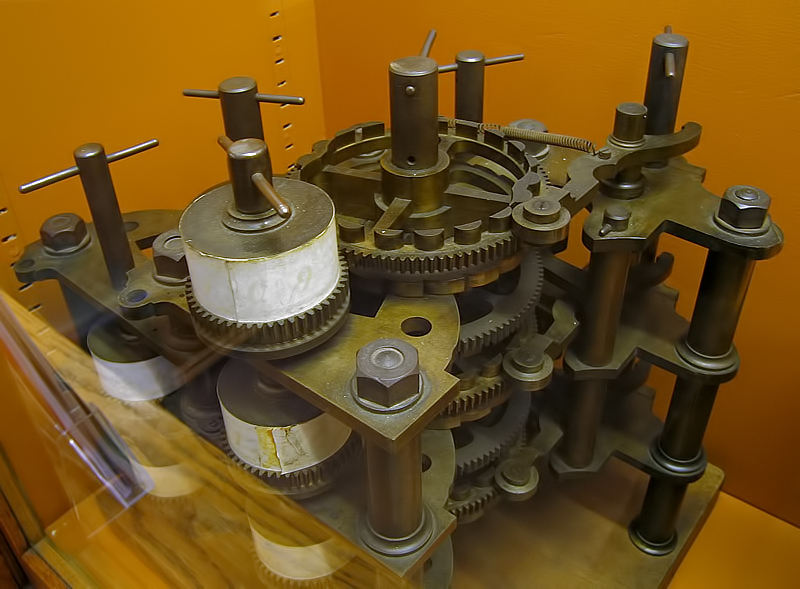 Part of Charles Babbage's Difference Engine includ...
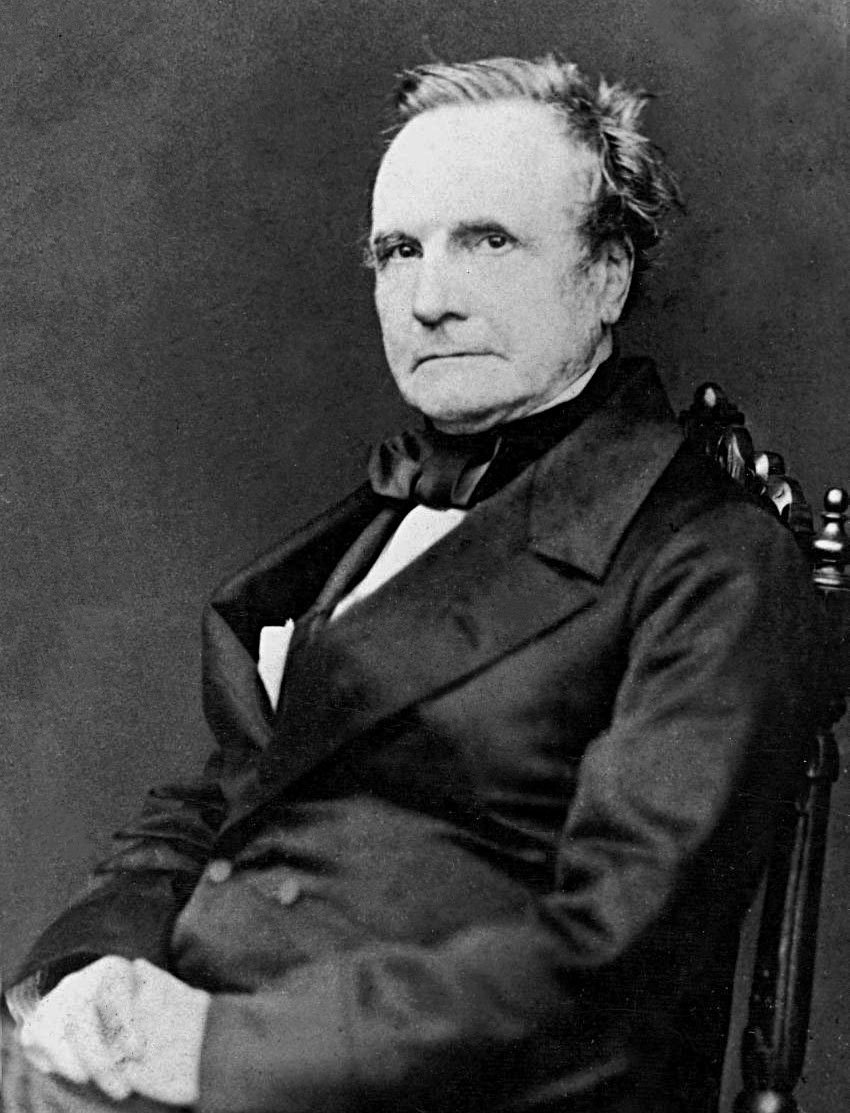 English: Charles Babbage
His engine executed tasks by changing the gears, which controlled the calculations. This made physical motion the first programming language. In 1942, however, the US Government built the ENIAC. Although more precise and variable, the ENIAC still followed my of Babbage's principles; such as the required presetting of switches, and the total rewiring for each calculation. The advancements made using electro-mechanical computers may not be evident, but they still contributed to the overall growth of programming languages. With the arrival of the electronic computer, programming languages began to develop into sophisticated applications. The second computer used in programming was the electronic computer. In 1949, the first programming language for an electronic computer was introduced. It required the programmer to change its statements into 1's and 0's by hand; however, it was the first step toward today's complex languages. In 1951, Grace Hooper created...
Great Paper
You're paper is very well. I am also a computer major myself. C++ is an object oriented programming languages. Just about everyone agrees that C++ is useful and although it may not be the best object oriented programming language out there, it is certainly here to stay.
7 out of 7 people found this comment useful.