The speech delivered by Abba Eban before the United Nations Security Council on the 6th of June, 1967 is essentially a complete justification of the Israeli cause of going to war with the Arab nations involved in the Six-Day War. In his speech, Eban thoroughly discusses the reasons for IsraelÃÂs decision to go to war rather than surrender to Arab interests, and IsraelÃÂs reason to make its preemptive military strikes against Syria, Egypt, and Jordan, and defends his nationÃÂs right to do so in accordance with United Nations regulations. EbanÃÂs speech is a vital document when examining the Six Day war because it gives the reader the ability to understand the justification for most if not all of IsraelÃÂs military actions in the conflict, the political and economic sufferings experienced by Israel at the hands of its neighbors, and the Israeli plan to carry on in a state of peace once the conflict was resolved.
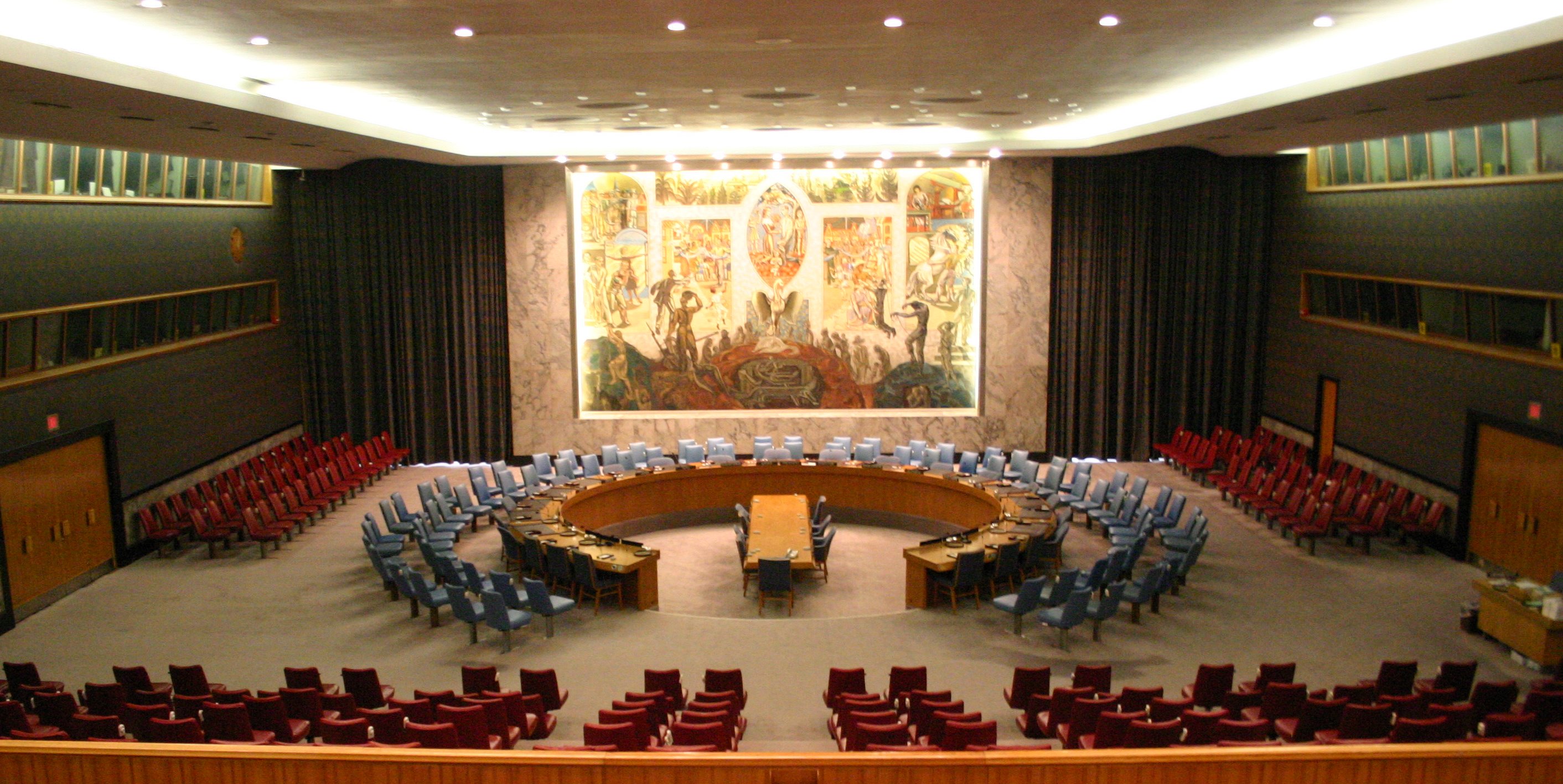 English: The United Nations Security Council Chamb...
 ABBA EBAN, MINISTER WITHOUT PORTFOLIO, MEMBER OF K...
 English: President Truman meeting on May 8, 1951 w...
When discussing the context of EbanÃÂs speech, the entire political and ÃÂbattlefieldÃÂ atmospheres have to be taken into account, along with the very nature of the speaker himself. Eban was the first Israeli ambassador to the United Nations, and generally was a very educated and accomplished individual on matters of foreign relations, gaining experience from working in the World Zionist Organization and serving in the British Army as an intelligence officer and liaison to Jewish settlers living in Palestine. Because of his experience in handling Zionist affairs, Eban was capable of delivering his address to the United Nations concerning the Six Day War with conviction and a remarkably clear and calm tone, even though the address was delivered two days into the War, which suggested the IsraeliÃÂs complete confidence in handling the War victoriously. Because of EbanÃÂs efforts and performance in front of the Security Council, the speech clarified the intentions of Israel and defended her seemingly aggressive actions against her neighbors as a means to resolve what was interpreted as Arab aggression, and defined IsraelÃÂs intentions as peace after the conflict had been won.
Like the candid context of EbanÃÂs speech, the content was an exact and direct statement of grievances and compassion for IsraelÃÂs neighbors. The speech lists an extensive and direct description of the causes for IsraelÃÂs actions, the primary causes being the blockade of the Straits of Tiran, which Eban cited as a clear cut act of aggression:ÃÂThere was in this wanton act a quality of malice. For surely the closing of the Strait of Tiran gave no benefit whatever to Egypt except the perverse joy of inflicting injury on others.ÃÂHowever, while arguing that Israel was right in going to war with all Arab nations involved, it must be recalled that he also expressed a great deal of compassion for the nation of Jordan, citing IsraelÃÂs view that Jordan had been intimidated against its better interests to go to war:ÃÂJordan had been intimidated, against its better interest, into joining a defense pact. It is not a defense pact at all: it is an aggressive pactÃÂ ÃÂTherefore, the content of EbanÃÂs speech was based on facts pertaining to the ongoing war when it was delivered. However, the speech utilizes these facts in a very persuasive manner, due to EbanÃÂs soft-spoken tone coupled with the academic nature of the language used.
Though the content of EbanÃÂs speech can be considered a slanted view on the then progressing crisis in the Middle East, the overall significance of the June 6th Speech cannot be passed over. When Abba Eban went in front of the United Nations, he fully intended to provide his nationÃÂs reasons for committing to military aggression against its neighbors to the world community, and did so with great effectiveness. The speech gives a complete record of the Israeli rationale for going to war, and covers in great detail nearly every political, social, and economic grievance Israel held at the time. The speech gives a thorough overview of what the Israeli aims would be after the conflict was resolved, and gives an extensive review of the causes of Israeli military action against its neighbors. Though to a degree the Eban speech is slanted, other orations at the time, such as NasserÃÂs speech before the Egyptian National Assembly on May 29th, 1967 can be considered slanted due to Nasser listing and describing the ArabÃÂs peopleÃÂs grievances towards Israel in the same manner as Eban lists and describes his grievances. Therefore, the nature of the June 6th speech can be considered factual but with a subjective nature; facts about the crisisÃÂ atmosphere are described and listed, but only from the IsraeliÃÂs point of view.
In conclusion, Abba EbanÃÂs June 6th speech before the United Nations is a clear, concise, and persuasive address given to a global audience addressing the then-developing Six-Day War. The speech is a useful tool when investigating the causes of the War, and gives a clear and concise list of reasons for IsraelÃÂs actions. Also, EbanÃÂs speech defends any possible faults in IsraelÃÂs then-standing political strategies in waging war, and argues that Israel was well within its rights to wage war against its neighbors due to the cited breeches of United Nations protocol. Though EbanÃÂs speech is a slanted statement of fact, it gives possibly one of the best views into IsraelÃÂs logic for going to war, and an understanding of their plans for their peace afterwards.
Works Cited"The Six Day War 1967 - Abba Eban's Famous Speech to the UN -." Hope of Israel - Home. Mar.-Apr. 2009 .
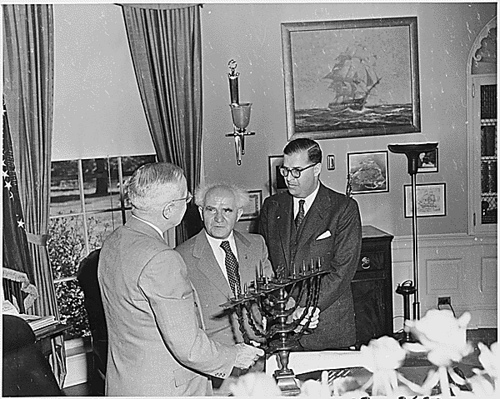 English: Original Caption: Photograph of President...
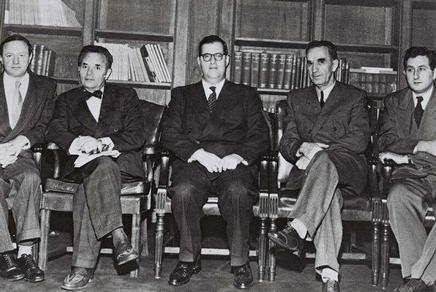 English: (original description) Israel delegation ...
 Mahendra of Nepal (second from left) in a visit to...