In explaining Hume's critique of the belief in miracles,
we must first understand the definition of a miracle. The
Webster Dictionary defines a miracle as: a supernatural event
regarded as to define action, one of the acts worked by Christ
which revealed his divinity an extremely remarkable
achievement or event, an unexpected piece of luck. Therefore,
a miracle is based on one's perception of past experiences,
what everyone sees. It is based on a individuals own reality,
and the faith in which he/she believes in, it is based on
interior events such as what we are taught, and exterior
events, such as what we hear or see first hand.
When studying Hume's view of a miracle, he interprets or
defines a miracle as such; a miracle is a violation of the
laws of nature, an event which is not normal to most of
mankind. Hume explains this point brilliantly when he states,
"Nothing is esteemed a miracle, if it has ever happened in the
common course of nature.
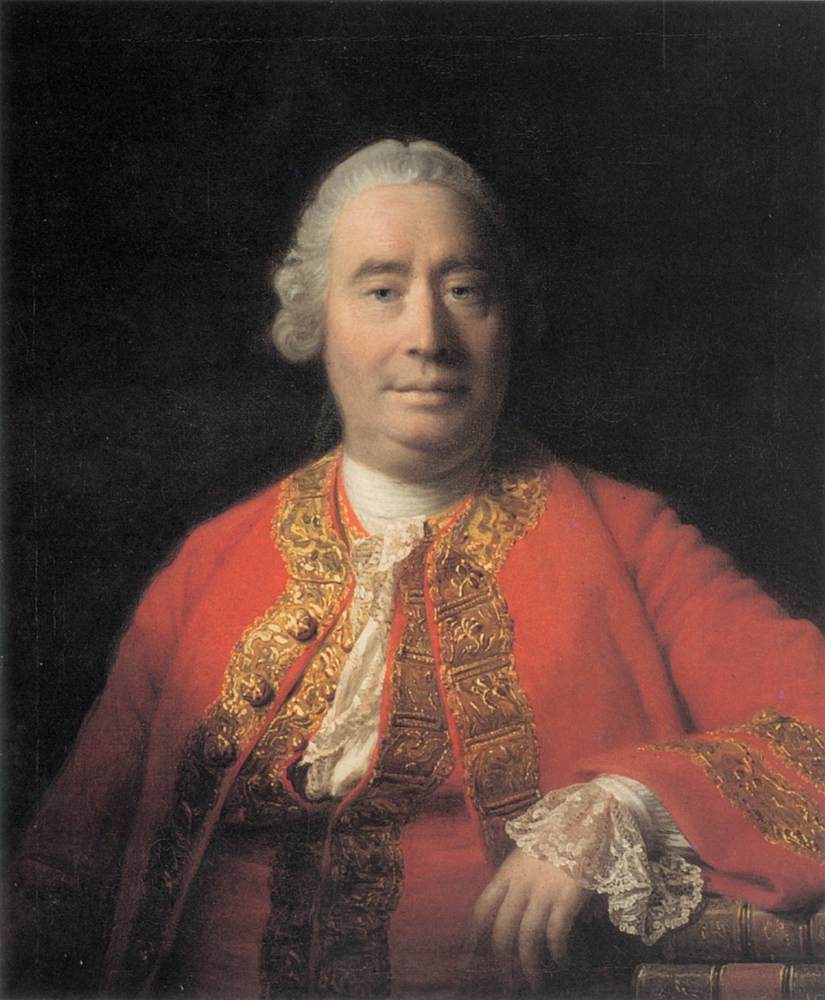 David Hume's statements on ethics foreshadowed tho...
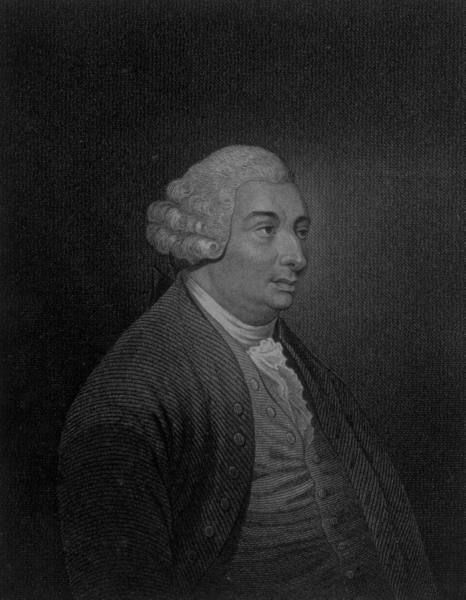 English: An engraving of Scottish philosopher Davi...
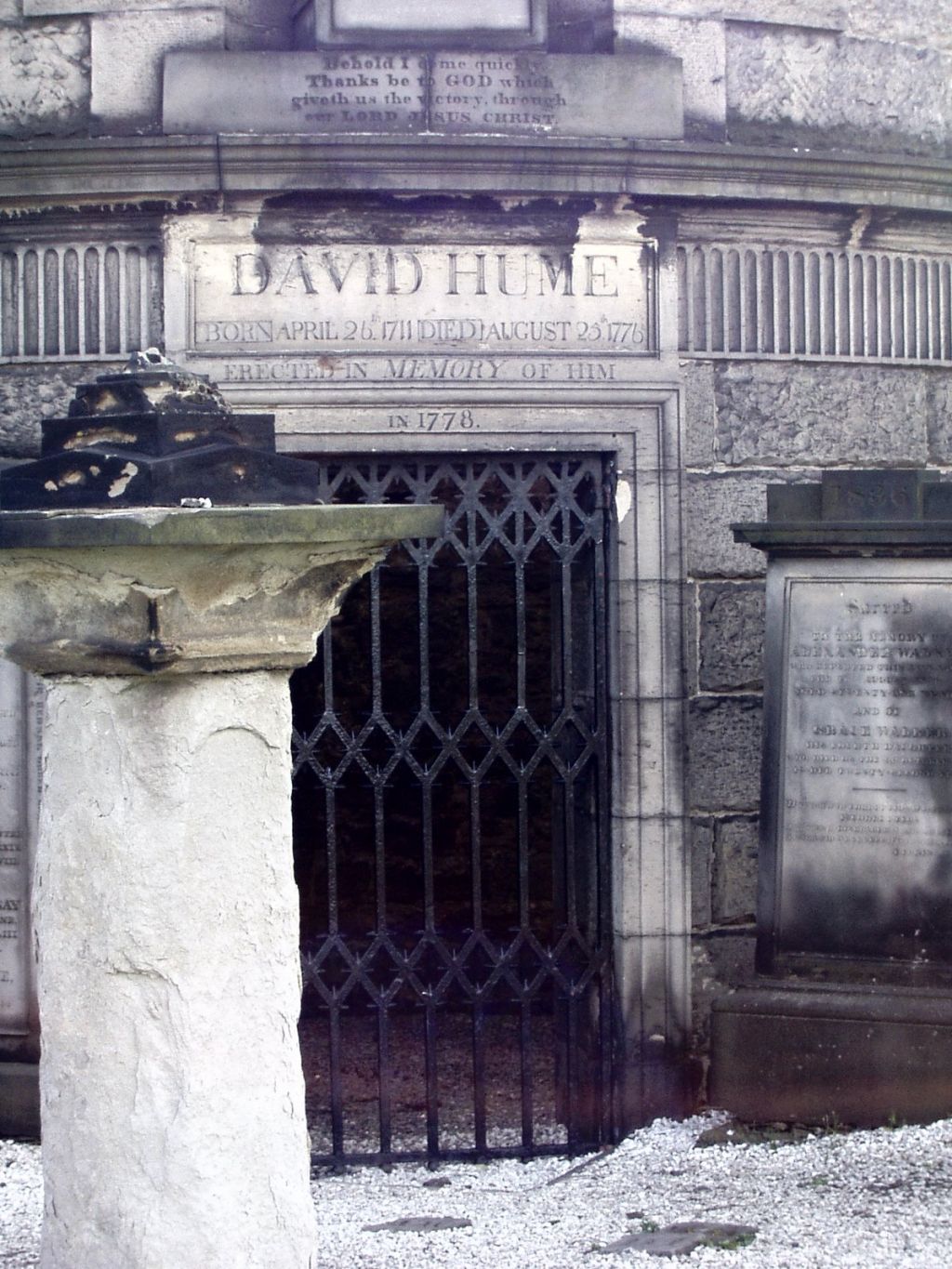 English: Tomb of David Hume on Calton Hill, Edinbu...
It is no miracle that a man
seemingly in good health should die on a sudden." (Hume p.888)
Hume states that this death is quite unusual, however it
seemed to happen naturally. He could only define it as a
true miracle if this dead man were to come back to life. This
would be a miraculous event because such an experience has not
yet been commonly observed. In which case, his philosophical
view of a miracle would be true.
Hume critiques and discredits the belief in a miracle
merely because it goes against the laws of nature. Hume
defines the laws of nature to be what has been "uniformly"
observed by mankind, such as the laws of identity and gravity.
He views society as being far to liberal in what they consider...