How do Frank Capra's "Prelude to War" and John Huston's "Let There Be Light" differing purposes/points-of-view/approaches to the subject shape each film's form and production method?
In the era preceding, during, and after World War Two, documentaries and real-life depictions about the war, veterans, patriotism, post-war trauma...etc., exploded on the home front. John Huston's "Let There Be Light" and Frank Capra's "Prelude To War" are both documentary films about World War Two, however filmed for very divergent purposes and in very different angles. This paper will attempt to explore and compare the differences of both wartime documentaries, and evaluate the effectiveness of their balance between artifice and authenticity.
Huston's 1946 film "Let There Be Light" was filmed with the intent to document the treatment and rehabilitation of psychologically damaged World War Two veterans. However, due to the explicit images of stumbling, shell-shocked soldiers, the United States War Department forbade civilian circulation on grounds that the film was demoralizing and detrimental to military participants.
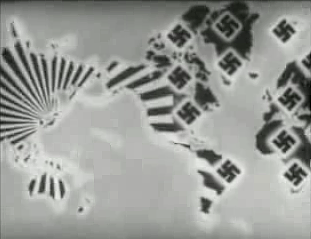
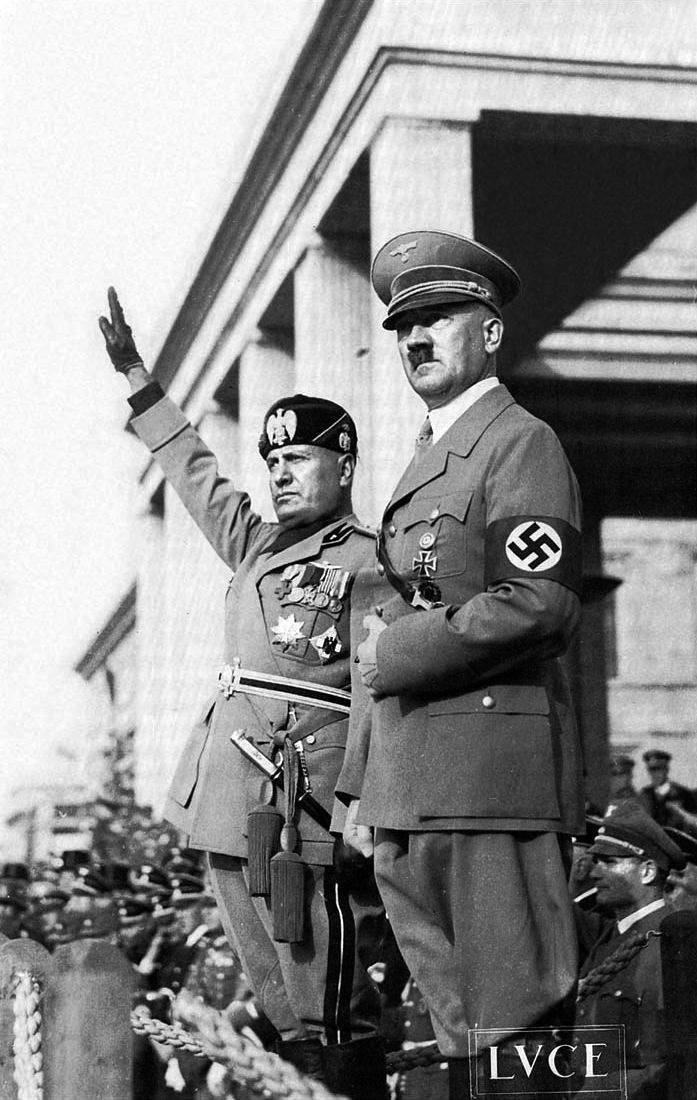
While Huston battled US officials for permission to release "Let There Be Light," Capra's film "Prelude To War" was paid for by the government. This 1942 documentary was a powerful propaganda piece which chronicled the events leading up to World War Two, including the rise of fascism in Germany and Italy, and the Japanese attack on China. The film was intended to stir up support for the war effort.
"Let There Be Light" conveys a range of viewpoints and purposes: 1) To create a sympathetic documentary on the recovery of the psycho-neurotic soldier which would educate civilians to accommodate and accept them into society. 2) To depict post-war conditions which were more horrific than the battlefield. 3) To demonstrate that neurotic problems could be successfully treated, but at the same time the audience is left to ponder the fate of those patients who did not recover.
Huston brought his cameras to Mason General mental hospital in Long Island, where the patients' interactions with...
More Film & TV Studies
essays:
Film review of Frank Capra's "Arsenic and Old Lace"
... Frank Capra's 1944 classic "Arsenic and Old Lace" is a true "Black Comedy" classic. It contains all the elements need to make a black comedy work. Unlike other types of comedy Capra uses ...
An anylsis of Grapes of Wrath, The informer John Ford movies and Mr.Deed goes to Town, and Mr Smith goes to Washington by Frank Capra
... that Frank Capra and John Ford used in the four movies I viewed. These movies are Mr. Smith goes to Washington, Mr Deeds goes to Town both Capra, films and ... not in its present corrupt form making these directors super-patriots, they are willing to go against something they believe to ...
In what ways and to what effect did the British cinema of the second world war mobilize support for the war effort?
... Second World War gave the British film industry ... British film propaganda.'10 Patriotism and nationalism reverberated through the film whilst not on the same scale or with the same resonance that had been previously experienced in the documentaries of ...
The war of man against himself
... watch films and documentaries regarding the cold war. Dr. Strangelove directed by Kubrick, reflects the anxieties, values, and beliefs of the Cold War culture. In its context of the Cold War and nuclear proliferation, Dr. Strangelove represents to the United States ...
The codes and conventions of documentary film-making.
... think about the world in a new way. Documentaries cover a huge range of topics including historical events, science, current affairs, the arts, social and political issues, and nature or wildlife. Authenticity is the key to successful documentary film-making. The ...
The film "All Quiet On The Western Front"
... men shell-shocked, disillusioned and in desperate situations it is a greater shock, and has more effect than watching images of men fighting in a documentary, or on the news. I think the film is ...
Life is Beautiful the movie, relating to politics and society in Italy during World War 2
... a documentary or a real imitation sort of a movie. But he was not failed in depicting the sorrows, tears and torture of the prisoners in World War II ... it. World War II, its disasters, its effects on the people and of course on the country both physically and psychologically is ...
"All quiet on the western front" about World War I.
... exploded shell. World War I was one of the firs wars to ... their hometown filled with glory and pride. They thought of war as of an adventure and were therefore happy that they were to participate. But as they arrive to the front and go through ...