About Ebola and book report on "The Hot Zone" by Richard Preston Excellent work!
The Ebola Virus
Descriptions of the Ebola virus:
The Ebola virus is a complicating object (viruses not being
considered living creatures, so it is an object). Named after the Ebola
River, the Ebola virus particle contains seven different proteins of which
only three have vaguely known purposes. While the exact function of the
other four proteins are still unknown, we do know that they attack immune
system. Ebola is known to jump hosts and known to be lethal to both
monkeys and humans. Similar to HIV, it will destroy your immune system
making it useless to fight off not only the ebola virus, but any other
virus that might enter your body. There are five different strains from
the Ebola family identified being Ebola Zaire, Sudan, Reston, Marburg and
the latest (found in December 1995) Tai.
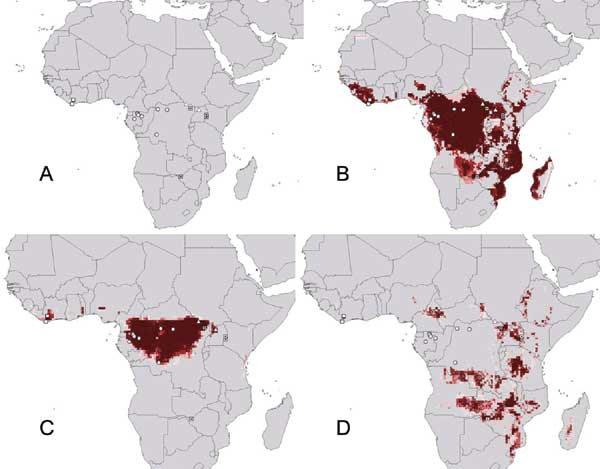 Ebola virus disease
 None - This image is in the public domain and thus...
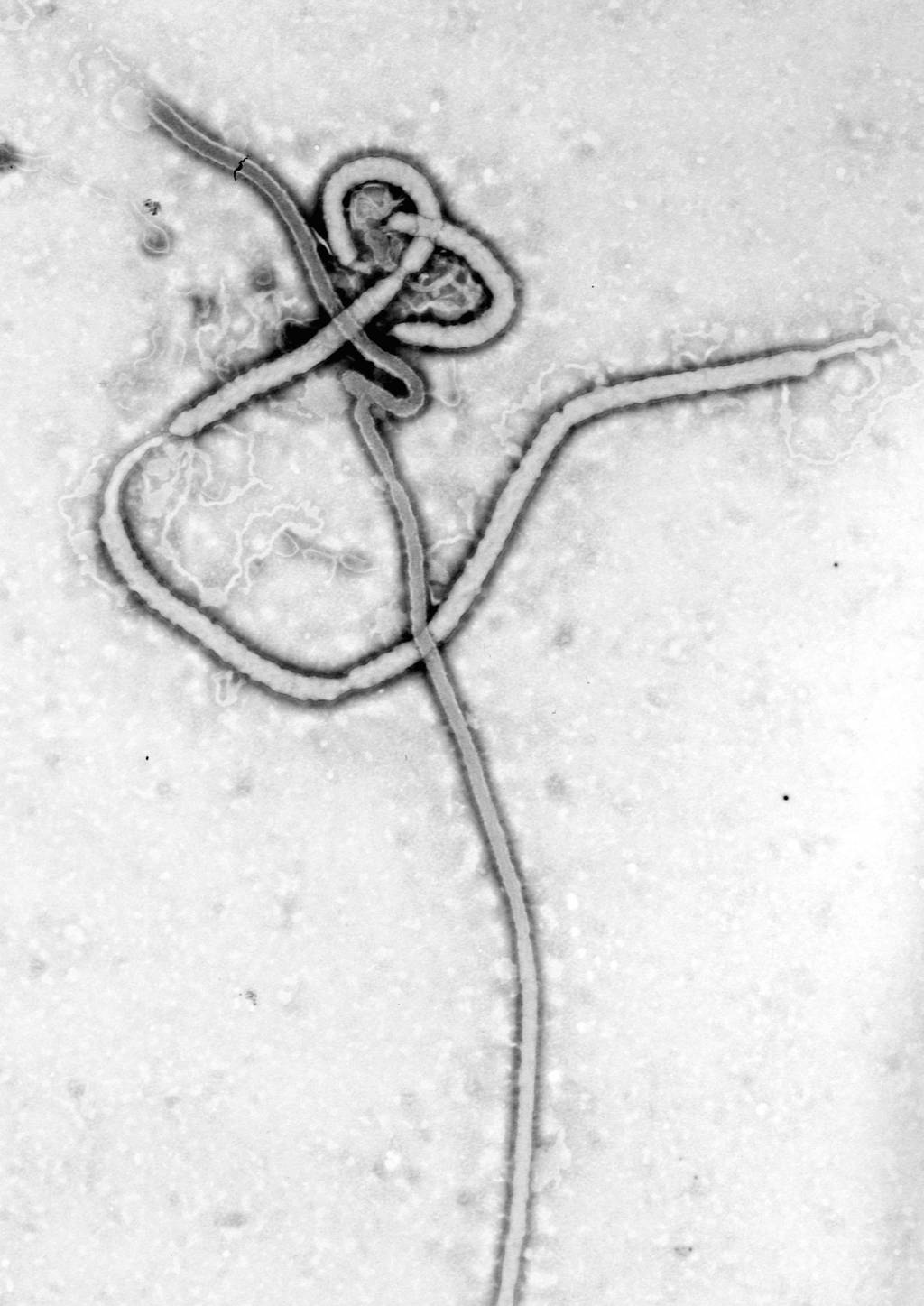 English: Transmission Electron Micrograph of the E...
Zaire, being the most dangerous,
killing 90% of it's victims. It is related to measles, mumps, rabies and
the parainfluenza virus. The first known emergence of the Ebola Zaire
virus was in September of 1976 making the virus roughly 20 years old, but
the genetic code inside the virus is a strand of RNA which is thought to
be the oldest coding mechanism for life. Since the earth's primordial
ocean (which came into existence about four and a half billion years ago)
may have contained life forms based on RNA, this could mean that Ebola is
very old. So while the virus has only been seen in existence for 20 years, it could be as ancient as the earth itself.
The symptoms of this filovirus are simply horrid. As earlier
mentioned, the virus attacks the immune system crippling it's ability to
defend against viral attack. The incubation period...
Good job
i read this report just out of curiosity.
i found it well writted and very informative. nice job!
7 out of 7 people found this comment useful.