THE VALUE OF NATURAL ECOSYSTEMS
The most important of the inherent values of natural ecosystems is that they contain within themselves creative powers, which, over large spans of time, have produced the stupendous array of biodiversity the world over. The presence of a species and the things that it can do have a powerful bearing on shaping the environment of all. Organisms help to make the world and then it makes them. Humans are among the most complex of the achievements of the natural forces found uniquely in these creative ecosystems.
Over long periods, the following processes have been learned or have come into being from these systems: food production through photosynthesis; the building of soils; the creation of food chains; water cycles; nitrogen fixation; massive precipitation of oceanic carbon dioxide into limestone; complex food chains; the evolution of thousands of herbivores and carnivores; the recycling of dead organisms; the conversion of toxic chemicals into harmless substances; the creation of thousands of kinds of co-operative, symbiotic and harmonious relationships among species; wondrous bird, insect and animal calls and songs; the stupendous beauty and grace in animal and plant form; insect and bird flight, to mention a few.
 The Earth flag is not an official flag, since ther...
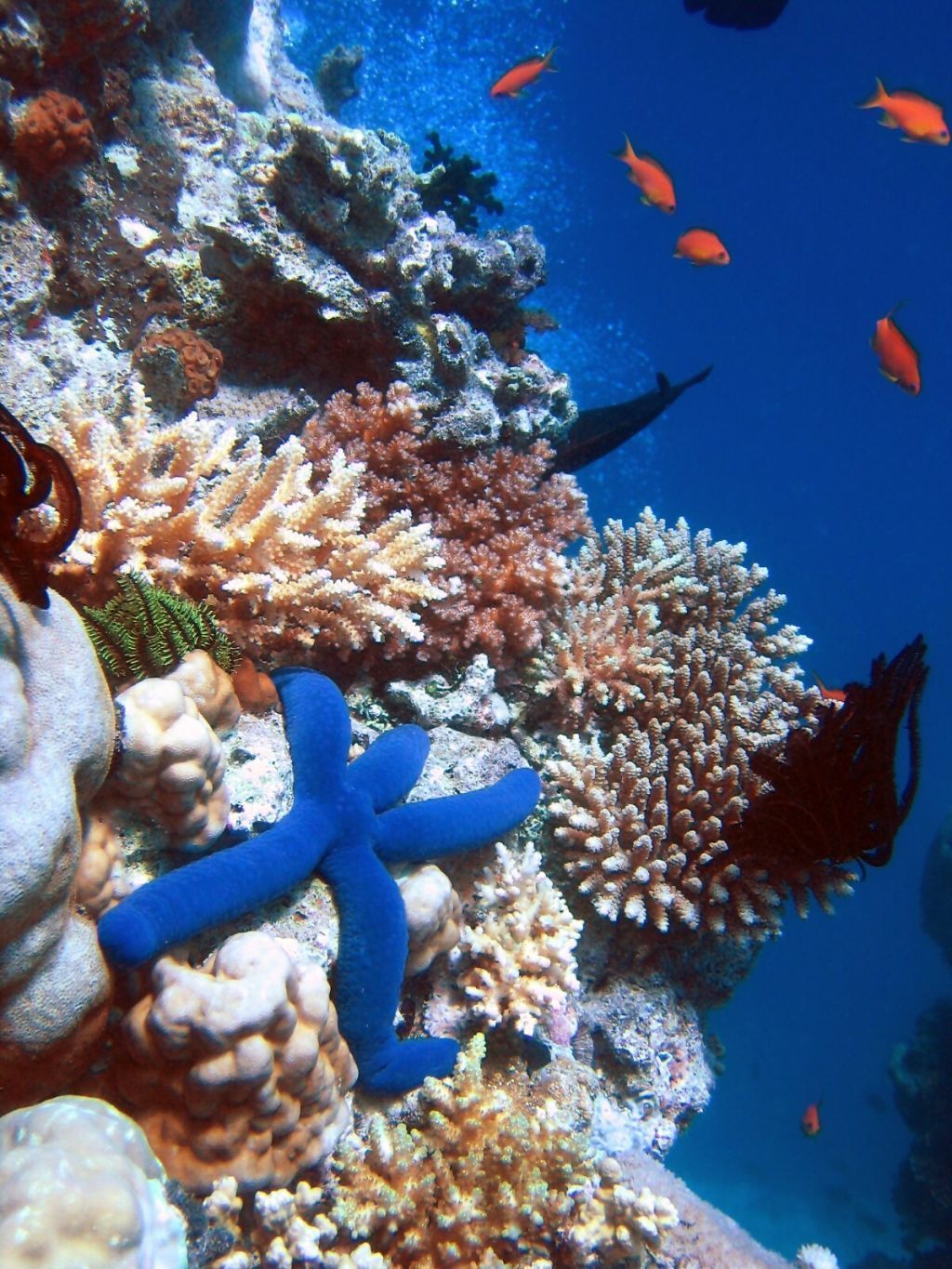 English: A Blue Starfish (Linckia laevigata) resti...
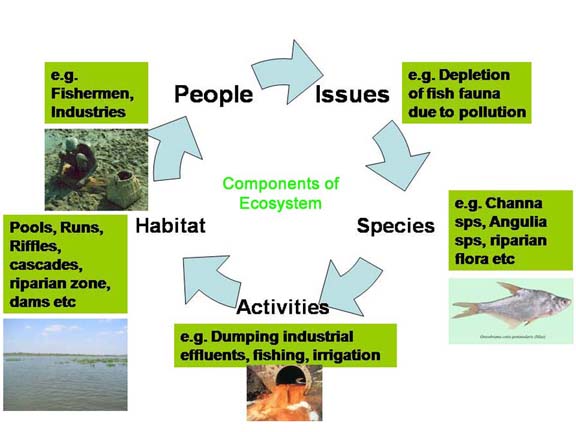 Showing various components of ecosystem and their ...
In addition, through these creative processes of the ecosphere, inconceivable ecosystems (forests, wetlands, coral reefs) have emerged and have persisted and become ever more stable over billions of years. All the above are just part of the Earth's Garden of Eden--a mysterious and miraculous living sphere created through the operation of natural laws.
To most people, the notion that national parks. native woodlots, patches of native prairie, wetlands or wilderness areas possess inherent values that are vitally important to them and their children may be difficult to accept. Centuries of culture and learning have taught us "only people are important." But what alternative...