With an adult literacy rate exceeding 99 percent, Japan ranks among the top nations in the world in educational attainment. Schooling generally begins before grade one in preschool and is free and compulsory for elementary and junior high school (grades 1 through 9). More than 99 percent of elementary school-aged children attend school. Most students who finish junior high school continue on to senior high school (grades 10 through 12) about 95precent. Approximately one-third of senior high school graduates then continue on for higher education. Most high schools and universities admit students on the basis of difficult entrance examinations.
The school year in Japan typically runs from April through March and is divided into trimesters separated by vacation holidays. Students attend classes five full weekdays in addition to half days on Saturdays, and on average do considerably more homework each day than American students do (about 2 hours more a night).
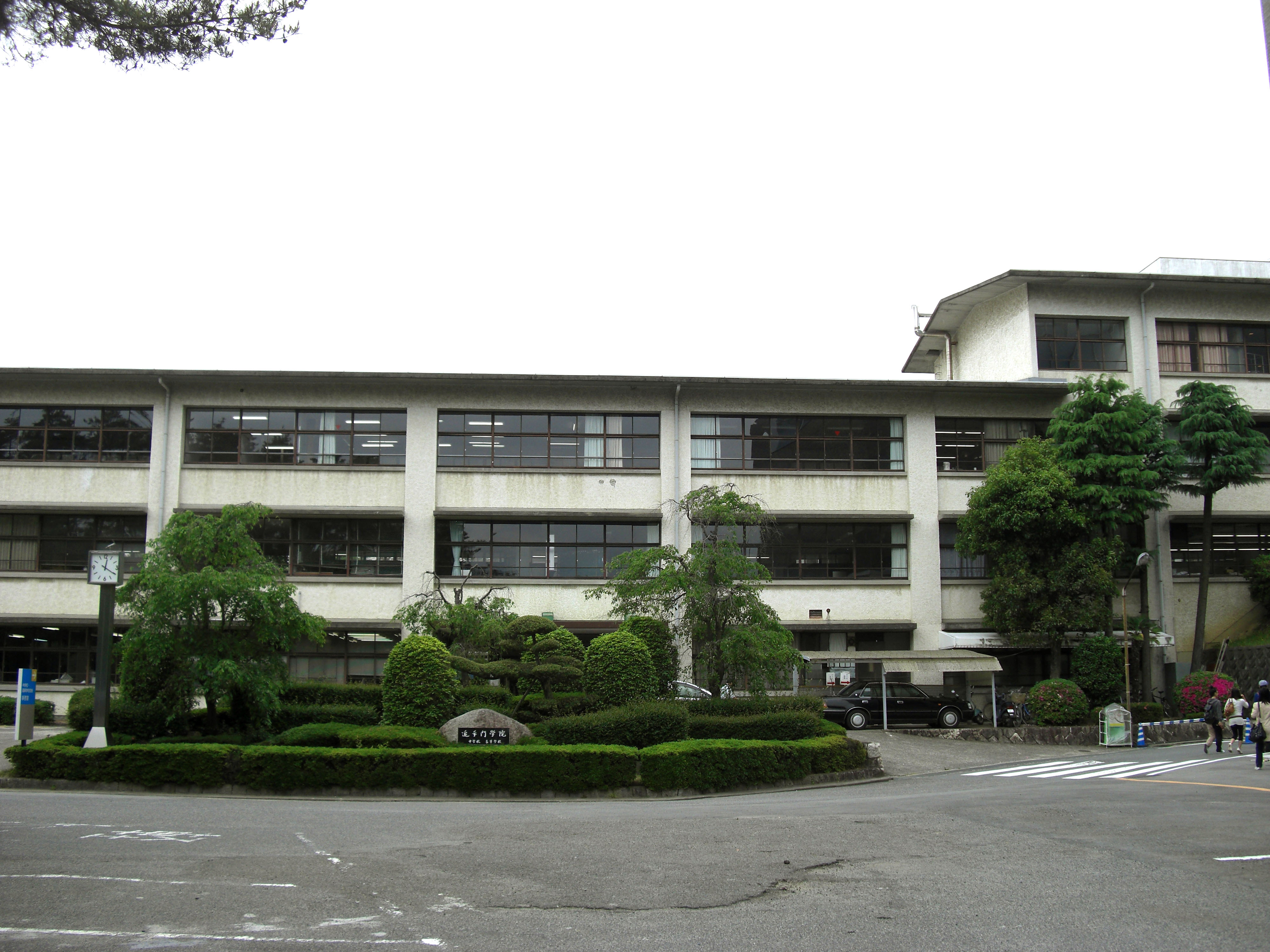 Otemon Gakuin Junior & Senior High School,Nishiai ...
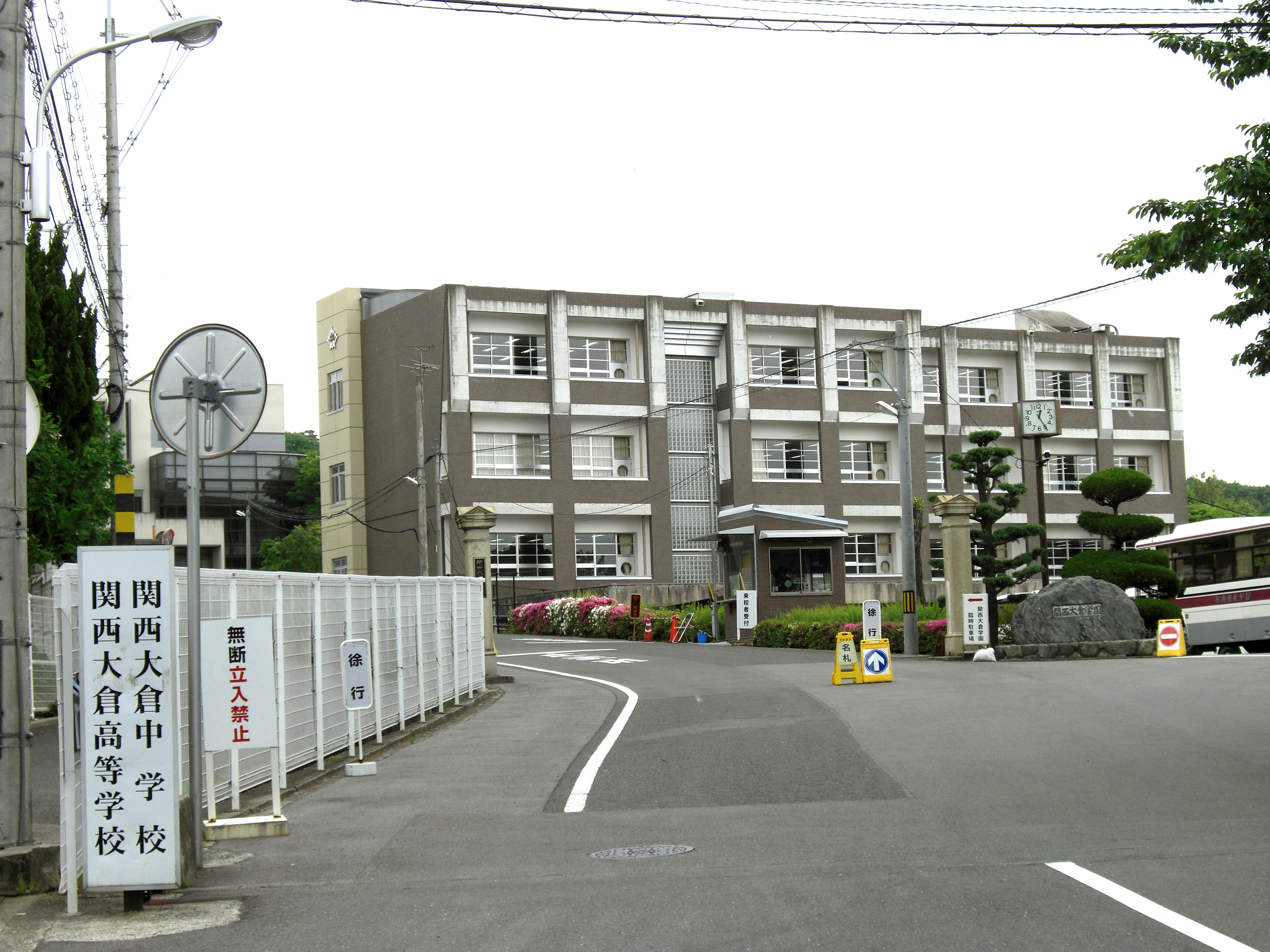 Kansai Ohkura Junior & Senior High School,Muroyama...
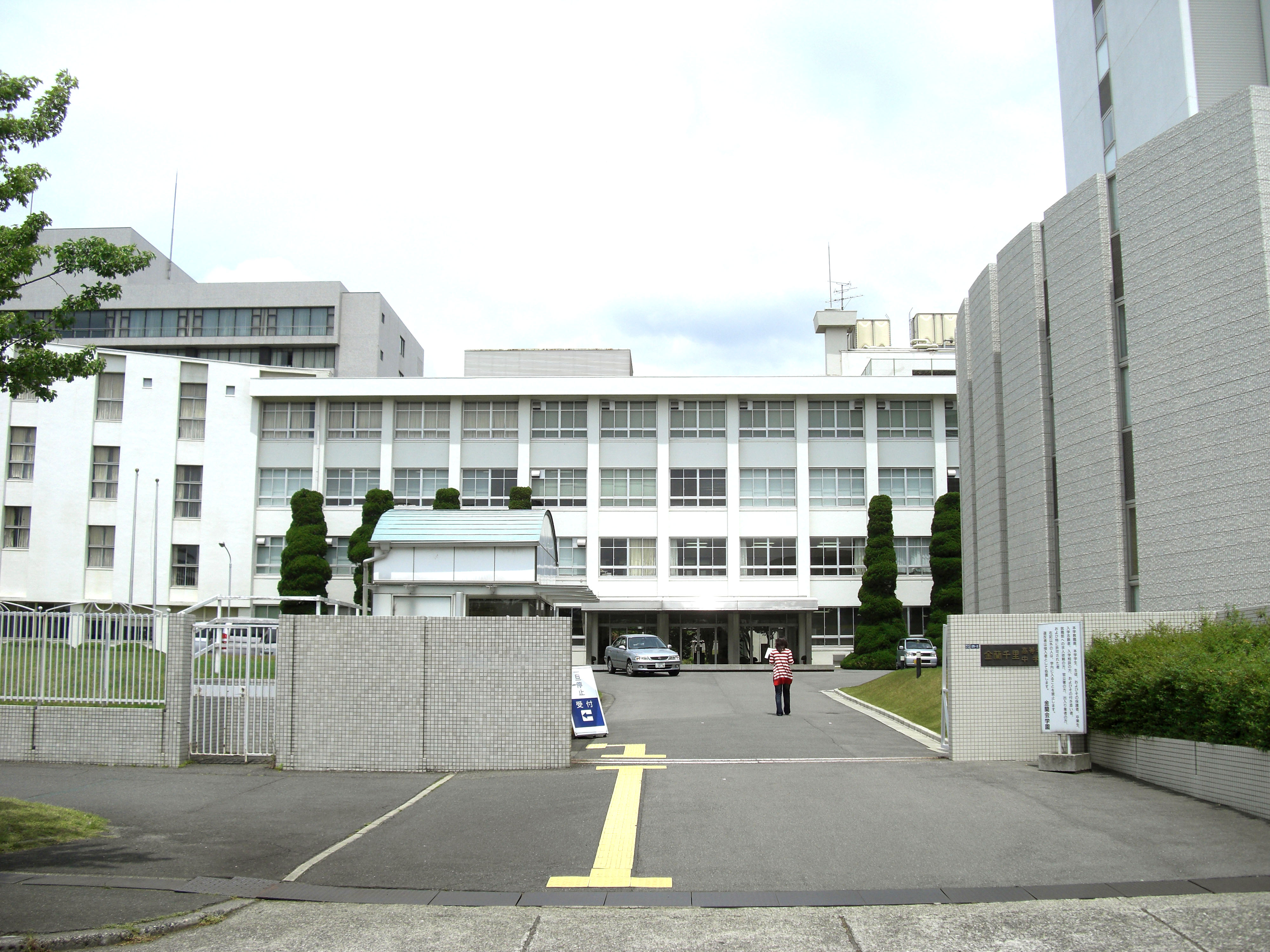 Kinran Senri Senior & Junior High School,Fujishiro...
In almost all schools, students wear uniforms.
In addition to their regular schooling, some students--particularly students at the junior high school level--enroll in specialized private schools called juku. Often translated into English as "cram schools," these schools offer extra lessons after school hours and on weekends, as well as coaching to improve scores on senior high school entrance examinations. Students who are preparing for college entrance examinations attend special schools called yobikô. A poor score on a college entrance test means that a student must settle for a less significant college, decide not to attend college at all, or study for a year or more at a yobikô in preparation to retake the exam.
The early history of education in Japan was fixed in thoughts and teachings from China. In the 16th and early 17th centuries, European missionaries also influenced Japanese education. From about 1640 to 1868, during...
Informative essay on education in Japan
Your insights into Japan's educational system are illuminating. There's no doubt that Japan's educational model helped lift the nation from the devastation of World War II to become a leading economic power. I would agree that the rigidity of the system may have unfortunate social consequences.
15 out of 16 people found this comment useful.