Electronic Commerce
Initially, the Internet was designed to be used by government and academic users,
but now it is rapidly becoming commercialized. It has on-line "shops", even
electronic "shopping malls". Customers, browsing at their computers, can view
products, read descriptions, and sometimes even try samples. What they lack is
the means to buy from their keyboard, on impulse. They could pay by credit card,
transmitting the necessary data by modem; but intercepting messages on the
Internet is trivially easy for a smart hacker, so sending a credit-card number
in an unscrambled message is inviting trouble. It would be relatively safe to
send a credit card number encrypted with a hard-to-break code. That would
require either a general adoption across the internet of standard encoding
protocols, or the making of prior arrangements between buyers and sellers. Both
consumers and merchants could see a windfall if these problems are solved. For
merchants, a secure and easily divisible supply of electronic money will
motivate more Internet surfers to become on-line shoppers.
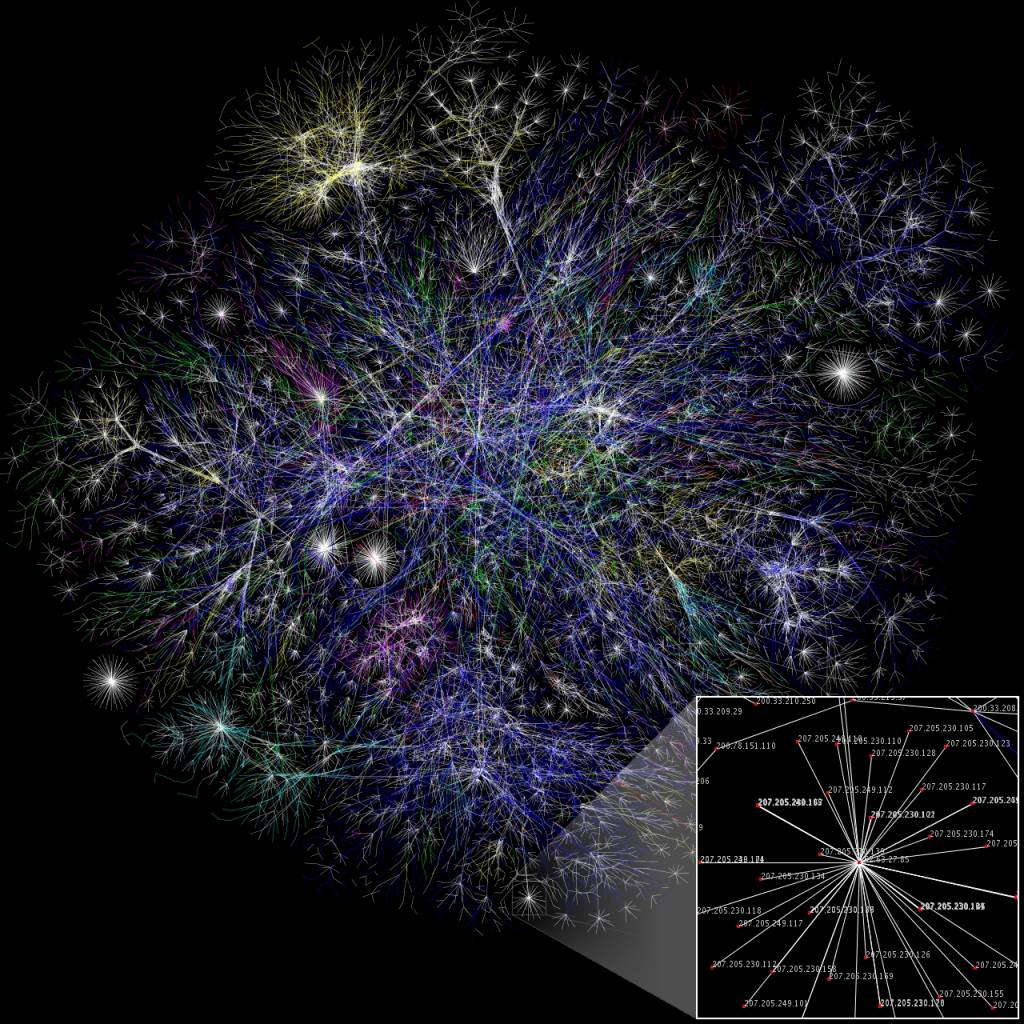 This image was selected as a picture of the week o...
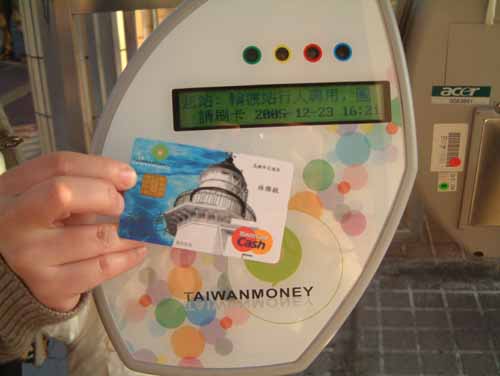 Using a TaiwanMoney ticket checker smartcard reade...
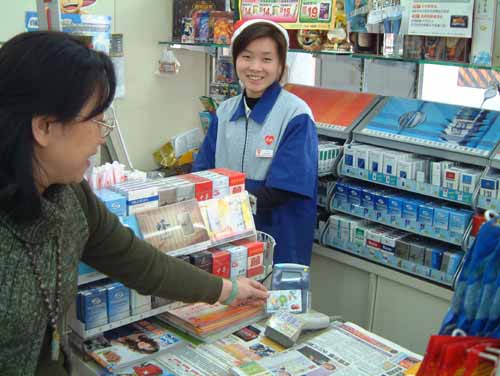 TaiwanMoney contactless Smart card in use, a combi...
Electronic money
will also make it easier for smaller businesses to achieve a level of automation
already enjoyed by many large corporations whose Electronic Data Interchange
heritage means streams of electronic bits now flow instead of cash in back-end
financial processes. We need to resolve four key technology issues before
consumers and merchants anoint electric money with the same real and perceived
values as our tangible bills and coins. These four key areas are: Security,
Authentication, Anonymity, and Divisibility.
Commercial R&D departments and university labs are developing measures to
address security for both Internet and private-network transactions. The
venerable answer to securing sensitive information, like credit-card numbers, is
to encrypt the data before you send it out. MIT's Kerberos, which is named
after the three-headed watchdog of Greek mythology, is one of...