Exclusionary Rule � PAGE �1�
Exclusionary Rule Week Two
Shannon Collins
CJA/353 - Exclusionary Rule Week Two
The question that is required for me to give consideration too is; "Should the exclusionary rule be abolished?" Before giving my debate that is set in front of me, I would first define what I believe it means.
"The exclusionary rule often means the rule that illegally gathered evidence may not be used in a criminal trial. The rule has several exceptions, such as when the evidence is used to impeach a defendant's testimony and when the evidence was gathered in a good faith belief that the process was legal. (Stojkovic, Kalinich, & Klofas pp. 300, 2003)
So, what I take this too mean is that any evidence collected during a criminal investigation or after a crime has already been committed and the evidence is gathered in an illegal method, and not given proper due process, will not be able to be used during a defendants trial.
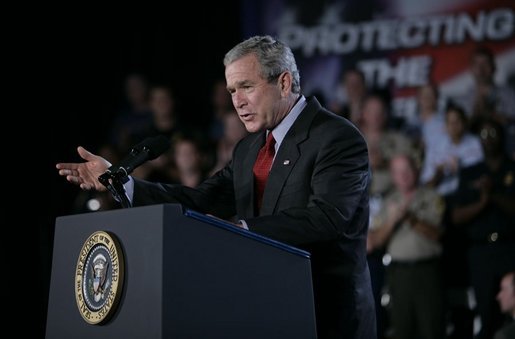 President George W. Bush addresses an audience Wed...
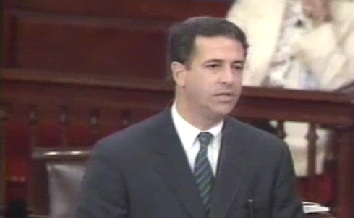 English: U.S. Senator Russ Feingold spoke on the S...
 How Would a Patriot Act?
And this could possibly be the key element that would undoubtedly set the criminal free to go and commit more crimes.
However, there are exceptions to this rule. And that is, if evidence is used against the defendant to impeach his testimony or if the evidence that was gathered during an investigation or even after the crime itself was committed, if this evidence was not gathered in malice thought, or actions, it may still be able to be used depending on the circumstances surrounding the situation.
What the exclusionary rule ultimately does is prevent police misconduct, which does happen infrequently but none the less does happen, just not discussed openly. I do not think that the exclusionary rule should be abolished, for personal reasons of course from a citizen of this country, and a voting one...
Wow
Great essay. Clearly explains the rule, with lots of detail. Very good opinionated paper. A Recommended read.
2 out of 4 people found this comment useful.