Introduction:
Bacteria are single celled prokaryotic organisms, that lack organelles and circular DNA. They are much smaller and less complex than eukaryotic cells. They are classified mainly but appearance and how they group together. The main shapes of bacteria are rod-shaped which are called bacillus, spherical called coccus, rigid helical called spirillus, and flexible helical called spirochete. They are found most everywhere, in the human body made of 70 trillion cells there are 700 trillion bacteria. Most are not harmful, but others can be parasitic. Bacteria were not discovered before the time of microscopes. There was no link between washing hands and infectious diseases. Doctors would go from patient to patient spreading bacteria without knowledge of the effects of their indiscretion. This was evident in many diseases including puerperal sepsis, childbed fever, which was spread by doctors going from cadavers to healthy expecting mothers. During that time they believed poison was causing the deaths, so they began to wash their hands, and saw a sharp decrease in mortality rate.
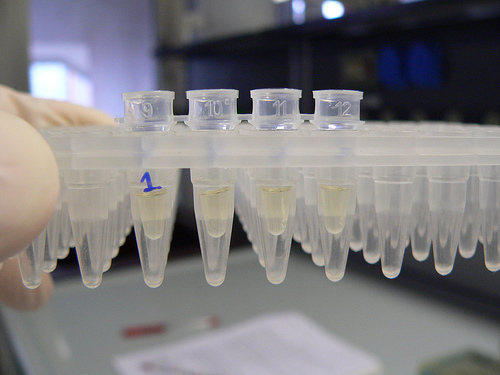 Bacteria solution
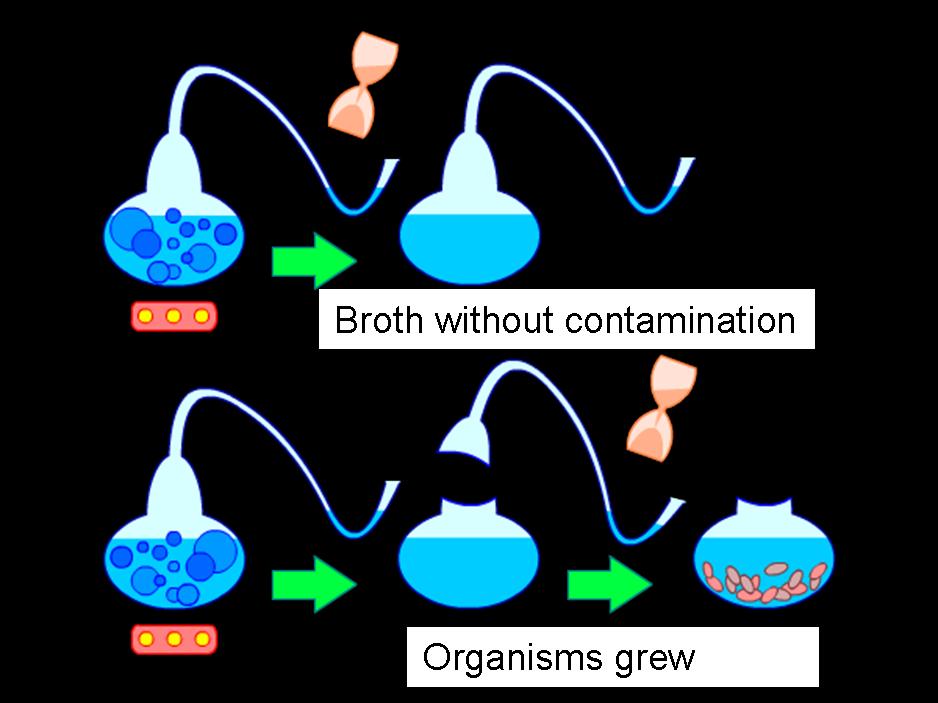 Illustration of swan-necked flask experiment used ...
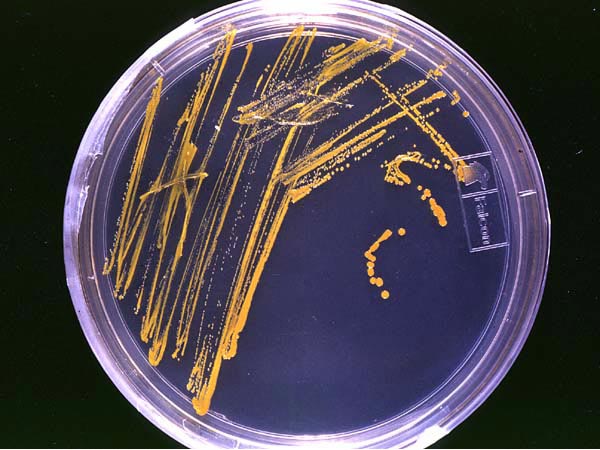 An agar plate streaked with microorganisms isolate...
However, they did not know bacteria was the true cause of these deaths, and it wasn't until Lister and Pasteur explained these happenings to the medical community before they began to wash their hands.
In today's society we are becoming more aware of the effects of bacteria, this is apparent in the variety of antibacterial soaps that are available. When we wash our hands particles become encapsulated in drops of water that are rinsed away. Antibacterial soap(ABS) differs from regular soap(RS) in that ABS intends to kill or inhibit bacteria, while RS just washes it away. In our voyage to SunMarté we found that most ABS contain triclosan, an anti-microbial agent approved for use in anti-gum-disease toothpaste and also used in deodorant soaps, deodorants, antiperspirants and body washes, detergents, dish washing...