MGT4570
Global Entrepreneurship
Case study
TixToGo: Financing
A Silicon Valley
Start-up
Name: Choi Ying Kai
SID: 06523393
Date completed: 14-10-2007
On seeing the lack of web services for ticket booking and also unexplored niche markets requesting for seat reservation of venues with less than 200 seats, TixToGo designed a self-service site to individuals and organizations to facilitate collection of registration fees, ticket purchases, donations or sign-ups for activities over the Internet, believing that the dynamics of the Internet would allow strong growth potential and lucrative returns.
The strengths of this company's business model are on its market potential and competitive advantages. Responding to event organization, the potential target markets were enormously huge as portrayed in Exhibit 6, addressing to an around $120 millions of revenue. Also, there were not existing rivals competing in the market. This would give them a "first mover advantage".
Nevertheless, the company is weak at its management level.
 Finance
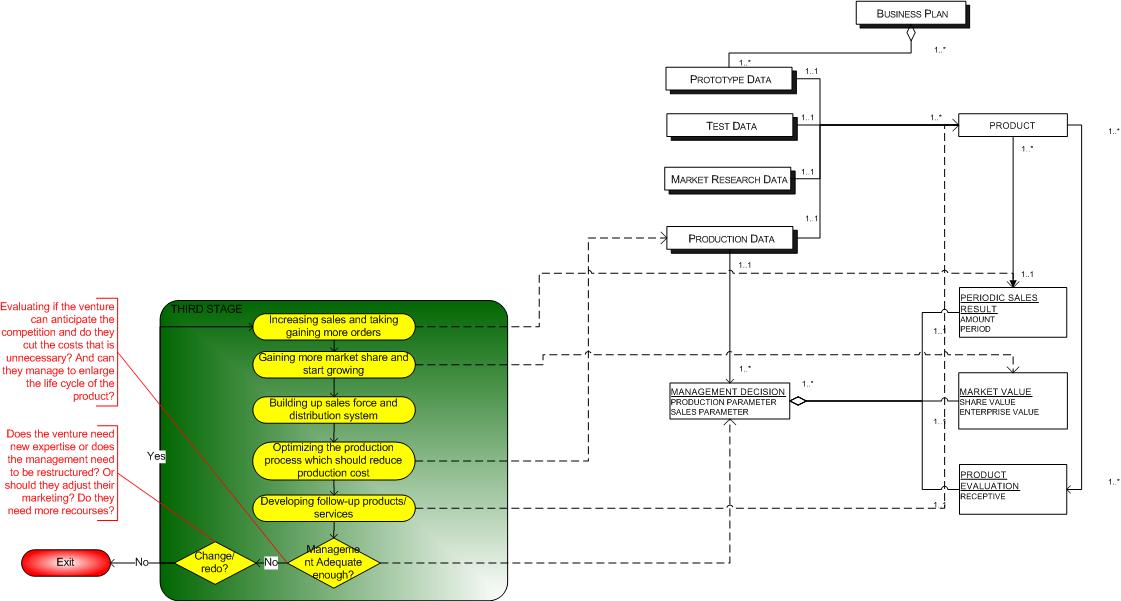 The Third Stage
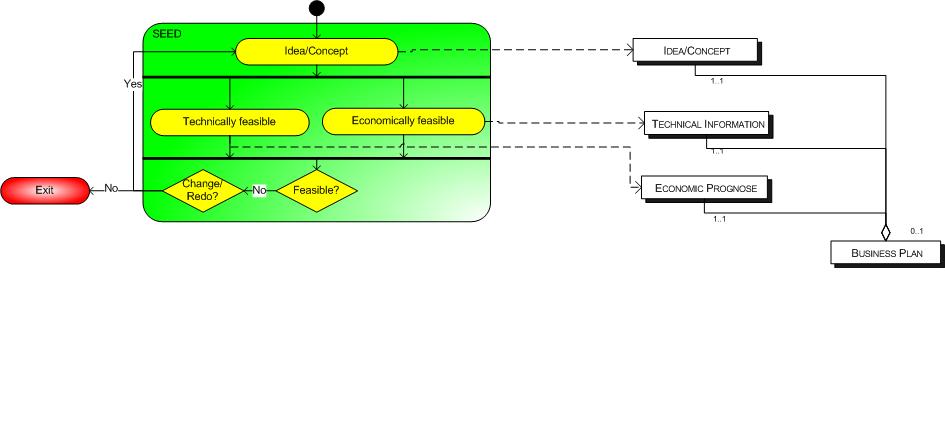 The Seed Stage
Without a top-notch management team at the beginning, they failed to obtain sufficient venture capitalist or bridge fund to sustain their business. Moreover, they are unable to improve the site infrastructure and deal with the legal and administration work. These pitfalls would limit the expansion of the company's services and seriously affect the scalability, profitability and sustainability.
Due to an over-$200k deficit in year 1998 and 1999, TixTiGo, at the time of decision, failed to sustain its business with the current cash or consider further expansion. There are several reasons: (1) the two co-founders failed to finance sufficient funds from venture capitalists or angel investors; (2) the company had not yet employed the right number and profiles of executives for company expansion or financing; (3) at introduction stage, the total number of deals is low and the gross margin could not cover the operating expenses, including salaries...