CHEM 3152-003
Experiment 2: Fractional Distillation and Gas Chromatography
Introduction:
The purpose of this experiment was to separate a mixture of ethyl acetate (EtOAc) and toluene by using the method of fractional distillation and to analyze the fractions using gas chromatography (GC).
ethyl acetate toluene
Distillation is a method known as separating or purifying a liquid or mixture by vaporization and condensation. In a simple distillation, the liquids being separated boil below 150 0C at 1 atmosphere from nonvolatile impurities and another liquid that boils at least 25 0C higher than the first. A solution is heated to its boiling point. The vapor of the more volatile component of the solution is set apart from the boiling mixture and is condensed and collected.
In fractional distillation, the liquid mixtures being separated are soluble in each other and boil at less than 25 0C from each other at 1 atmosphere.
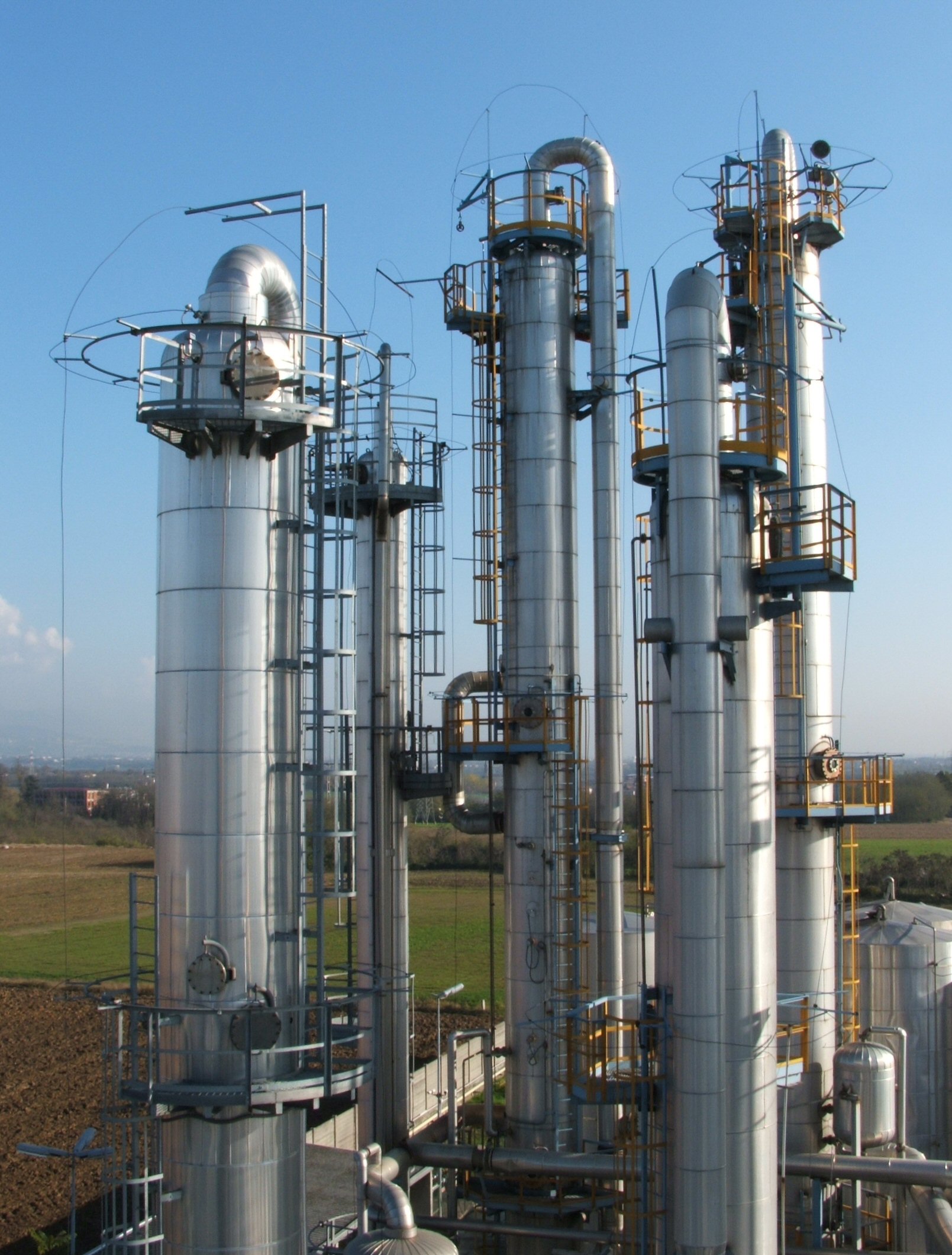 English: A double effect distillation plant. FranÃ...
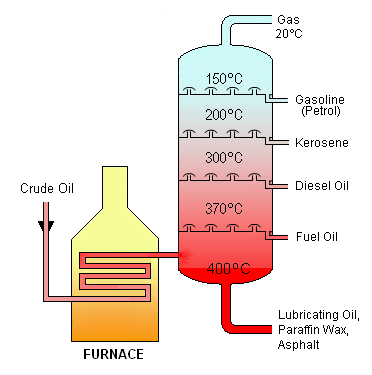 Diagram drawn by Theresa knott. This is a diagram ...
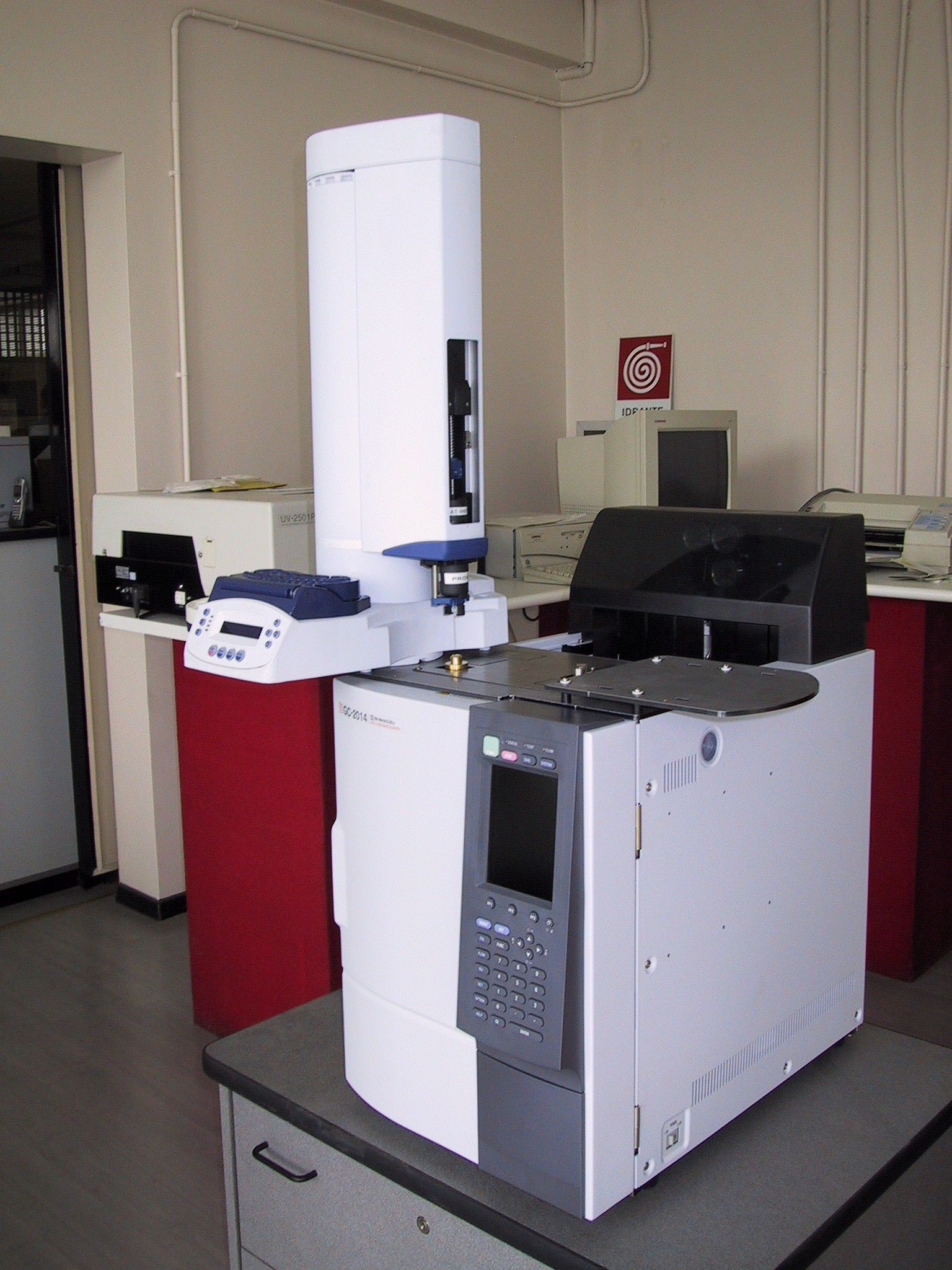 GC rule of 1/10, photoshop drawing
Each component is called a fraction. As the mixture is heated, it boils, and the vapor that comes off this liquid is richer in the lower boiling component. The composition of the liquid still in the flask has changed a little?it is richer in the higher boiling component. As more of this liquid boils, hotter vapor comes up, mixes with the first fraction, and produces a new vapor. This vapor is richer in the lower boiling component. In a nutshell, fractional distillation is revaporizing the condensate. Simple distillation is only one cycle of the vaporization/condensation.
Another technique used for this experiment is gas chromatography (GC). GC is the separation of compounds between a stationary and a mobile phase. GC can also be referred to as vapor-phase chromatography (VPC) and gas-liquid chromatography (GLC). The sample enters the GC at the injection port. Two components A and B are different, they...