a good report on fungus -
The kingdom of Fungi contains single-celled and multicellular organisms that absorb nutrients for food. Fungi, together with bacteria decay and decompose organic matter. Some fungi can be parasitic and cause serious diseases in plants and animals. Though considered an individual kingdom today, traditionally fungi were classified as plants with no stems, leaves, or chlorophyll. About 100,000 species of fungi are known.
Most fungi are made of protoplasm-containing tubes called hyphae, sometimes divided by walls called septa. Hyphae grow by branching and elongating. When there is an abundance of hyphae, the fungus forms into a larger structure such as mushrooms or puffballs. Some fungi form spherical masses called sclerotia, which range in size from a grain of sand to a cantaloupe.
Spores are the most common way of fungi to reproduce. Spores are tiny particles of protoplasm within walls. A single fungus may produce from several million to several trillion spores.
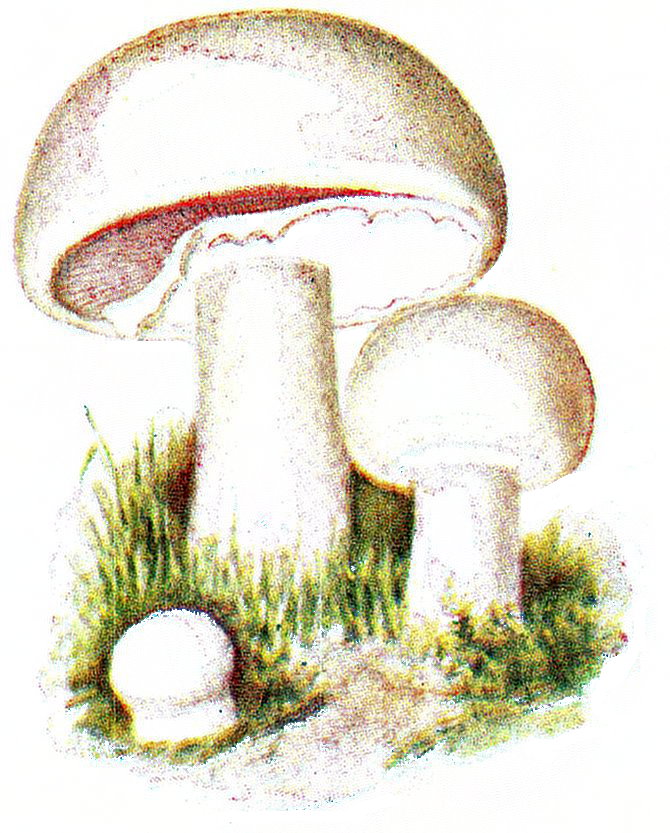 Rhizopus microsporus var. microsporus
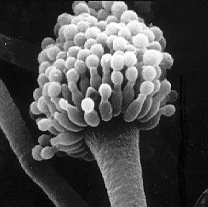 Aspergillus fumigatus as seen under the electron m...
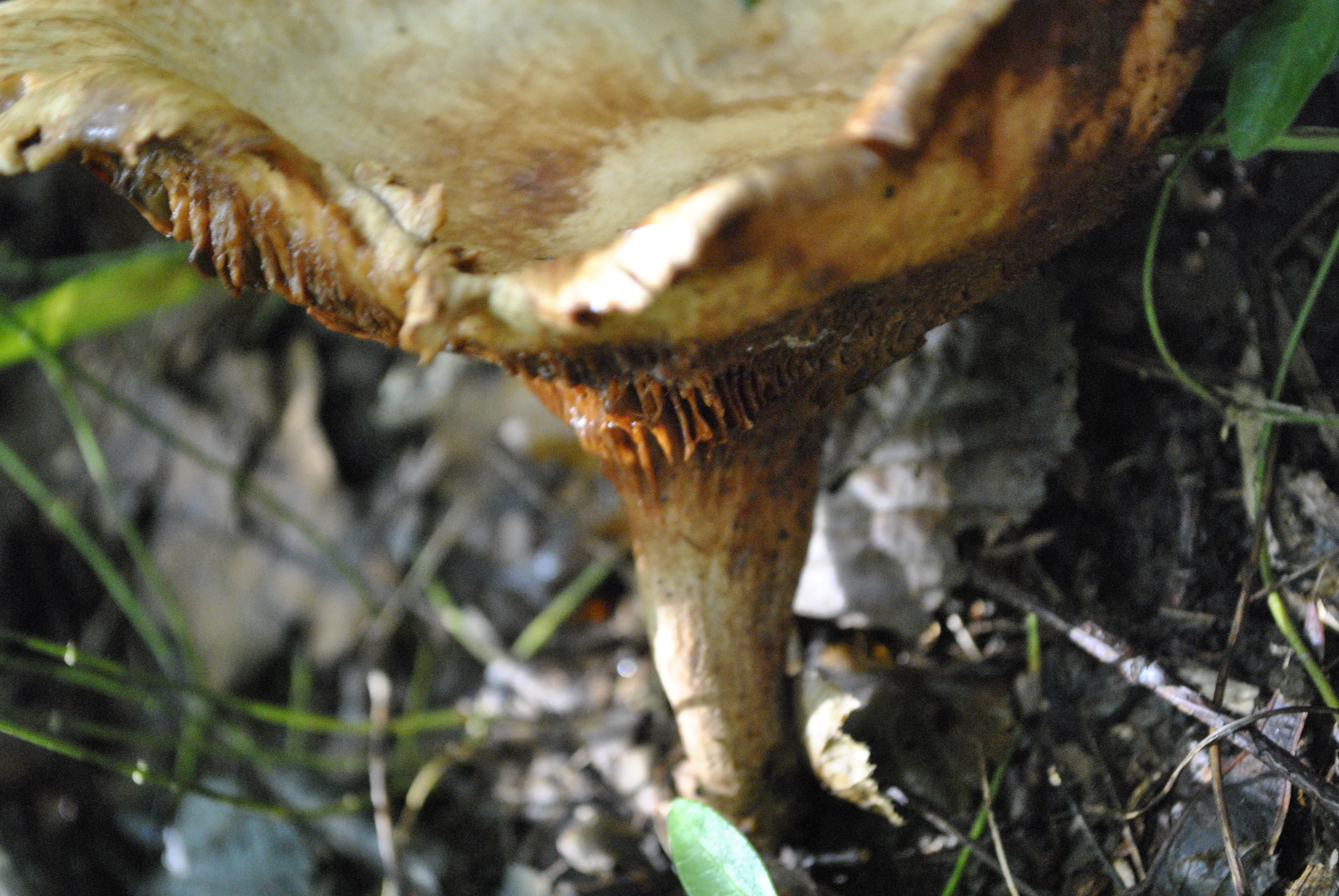 Fungus (7)
Spores are formed in two ways, the first, the union of two or more nuclei within a specialized cell or cells. Oospores, zygospores, ascospores, and basidiospores are made in this way. The other method involves the transformation of hyphae into numerous segments or short parts. Oidia, conidia, and sporangiospores are formed in this asexual process.
Fungus can be classified many different ways with complicated systems. Mycologists, mycology scientists, usually use a simple system with four main groups. Oomycota, Zygomycota, Ascomycota, and Basidiomycota are the main phyla which fungi are classified into. There is a fifth major phylum, Deuteromycota, also called Fungi Imperfecti, in which a few organisms are loosely grouped into because they are difficult to classify, many of them are related to bacteria in some ways.
Spores from fungi are carried for long distances in the atmosphere. Water areas are often filled...
Fungi
good essay, all the info is there and the structure is pretty good. this is actually a really good essay for 10th grade. i liked that it covers everything about fungi and it concludes well in the last paragraph. but unfortunity theres no references otherwise it would be excellent.
0 out of 0 people found this comment useful.