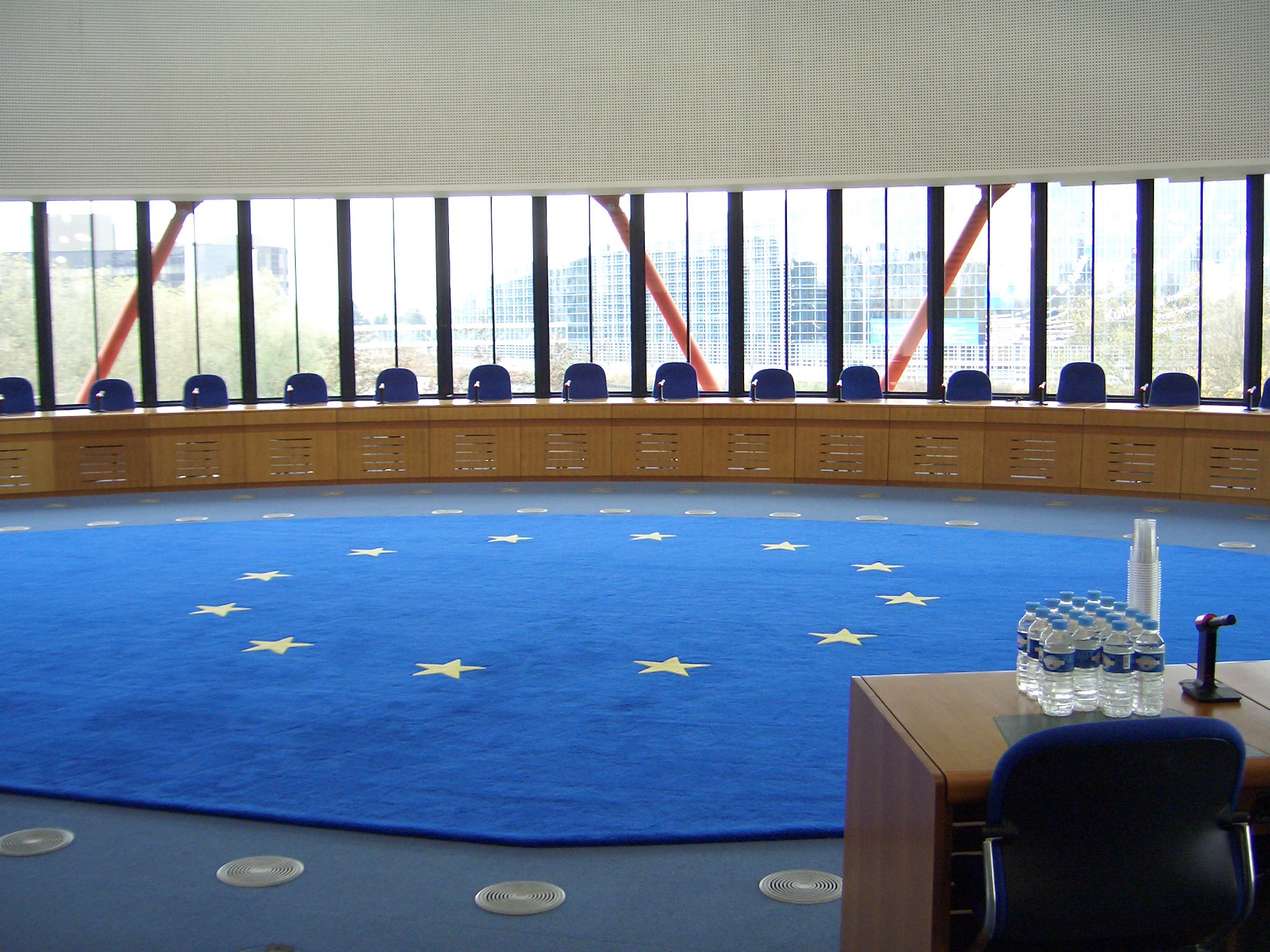
Has the incorporation of the European Convention on Human Rights into British Statue law fundamentally altered the role of the judiciary in British politics?
The European Convention on Human Rights was drafted as a reaction to the human rights violations of the World Wars; the convention was an attempt to ensure that basic human rights would be protected thereafter. After being the first nation to sign European Convention on Human Rights in 1951, the British government did not feel it necessary to incorporate the convention into British statute law. The primary reason was that the government felt that the rights protected by the treaty were already upheld by the combination of British statute and common law. However, a growing number of cases where British citizens have been forced to go to the European Court of Human Rights in order to have grievances heard that are protected by the treaty, but not by British law resulted in the government reconsidering this position. This led the passing of the Human Rights Act in 1998 by the Blair government; this incorporated the European Convention on Human Rights into British statute law. The outcome of the Human Rights Act (1998) is that the judiciary in Britain have been granted a new power, the ability to deem a law incompatible with the convention. This has altered the traditional role of the judiciary, throughout the rest of this essay I will examine to what extent the position of the judiciary has been altered by the incorporation of the convention.
The role of the judiciary in the British system has traditionally been interpretation of the statute law made by Parliament and the common law. This stems from the manner in which the judicial system came to be at the end of the English Civil War in 1641. Medieval judges were appointed by the Crown; they had the sole ability of declaring and applying the law. They did not however have the...
More Specific Policies
essays:
Analysis of the speach by José Manuel Barroso at the inauguration of the Academic Year 2004-2005, College of Europe, Bruges 23 November 2004
... the national governments sit. These two chambers normally hold two readings, alternately, of each proposed EU law. They must agree on the final version of the law and negotiate if necessary. The EUs judicial branch is European Court of Justice ...
Government and Indigenous Activism involvement in the recommendations of the Royal Commission into Aboriginal Death in Custody in Australian Politics
... the government is the National Inquiry into the Separation of Aboriginal and Torres Strait Islander Children from Their Families, which has been adopted and considered by the Queensland Government at the first place ...
To what extent does the legislature restrict the power of the Russian President?
... lack of cohesion in the present form of Russian government makes obtaining the majority for taking such actions highly unlikely . If one also adds to this the fear that the President will constantly exercise his right to ...
Common Foreign and Security Policy in The European Union -Towards 'one voice' of Europe?
... United Nations Charter, -to strengthen the security of the Union in all ways, -to preserve peace and strengthen international security (...) -to promote international cooperation, -to develop and consolidate democracy and the rule of law, and respect for human rights and ...
'Universal Human Rights are a fiction devised by the West in order to legitimise intervention in other areas of the World.' Discuss.
... others. Firstly, the definition of Human Rights is commonly accepted to be the rights that all persons are entitled to, regardless of the ... The European Union http://europa.eu.int/ ·Website - Viewed December 2003 - International Court of Justice ...
Brussels We Have a Problem: The Internal and External Communication Dilemma Facing the European Union
... environment, human rights, foreign affairs, security and defence, the issue of political legitimacy of the Union in the eyes of its citizens has ...
Policy statement of the Norweigan point of view of the security council and possible reforms to it
... The first is that national borders cannot be violated and can therefore only be changed by peaceful means. The second is that human rights must be respected. Norway is also an adherent of the principle that European security ...
To what extent has the Blair premiership validated the Crossman thesis?
... the European Convention on Human Rights (1951). The legislature in a presidential system of government has the power to veto legislation from the executive branch. In this sense, the power of Blair as British prime ...