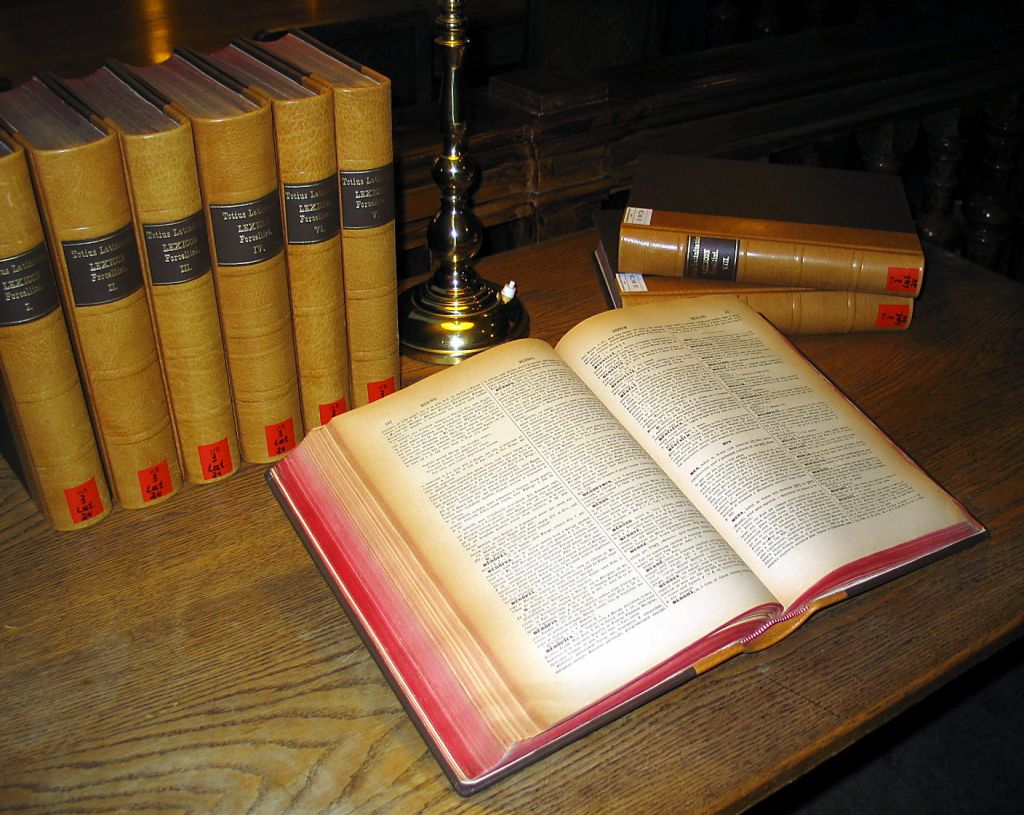
The history and definition of the english dictionary.
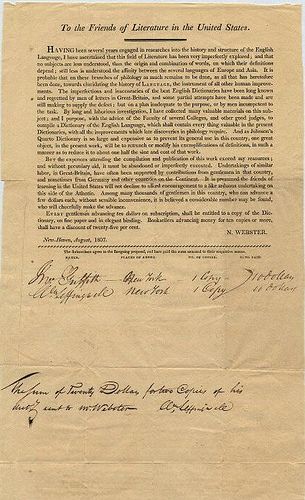
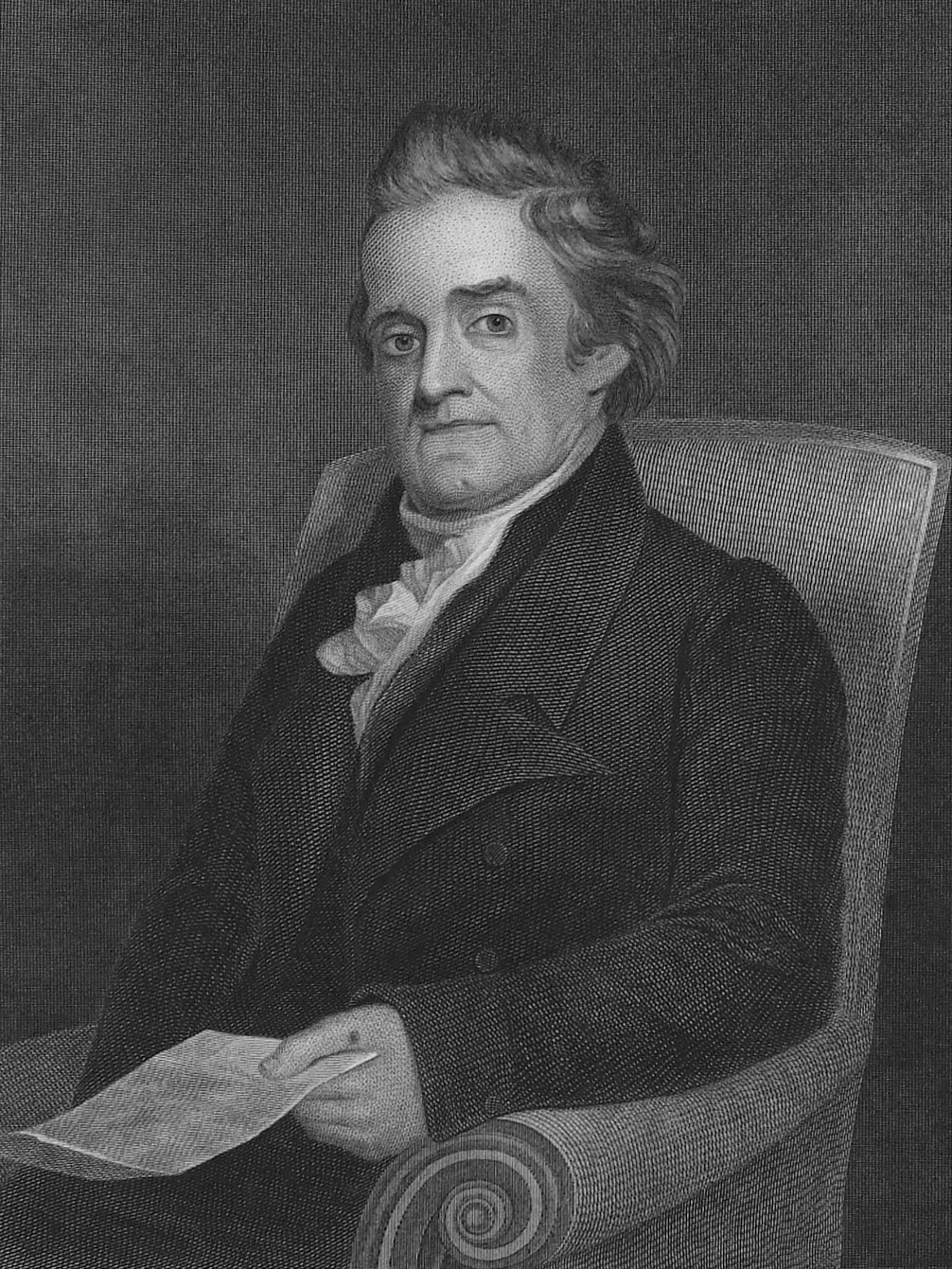
The definition of the dictionary is a reference book containing an alphabetical list of words with information about them. The creator of the dictionary was Noah Webster. Noah Webster was born on November 8, 1761. He was born in Europe. His parents were Charles and Barbara Wester. They took good care of him. Noah lived in a small house in Europe. He liked going to school. He also liked walking beside the Connecticut River, along with his brother. Noah and his brother went to a small school. Noah liked to learn new things. He thought it was pretty fun learning. Noah didn't like it when his brother would get into trouble though.
The invention Noah made was the Webster's Dictionary. Noah made a lot of them. When ever Noah had time to work on the dictionary he did.
Noah invented the dictionary so people could learn how to spell words. A lot of people use the dictionary. The dictionary is still being used in schools today.The job Noah had was teaching at an elementary school. Noah wasn't married to anyone. So he didn't have any children. He didn't have any achievements or awards.Noah died on October 15. 1857. He was 96 years old when he died. Noah died in a hospital. He was in the hospital for about two months. He died of a heart attack.When he died the Merriam brothers purchased the rights to his dictionary in 1843.
There are more than 13 different kinds of dictionaries. So many dictionaries have been made that there is one in every language. And for every country. The first Latin dictionary was published in between 1968 and 1982.There are three basic types of dictionary. They are the compact, historical and general purpose dictionary. The compact dictionary is naturally a small pocket sized...
More Grammar
essays:
Shakespeares Famous play called macbeth
... weren't smarter than I already were I wouldn't understand a word said. I think watching the play after reading the book definitely helped me understand what the witches were doing and how Macbeth got convinced to kill the king ...
English Grammar: The Subjunctive And The Conditionals
... verb in that-clause if the main clause contains verbs such as demand, require, insist, suggest, ask etc. that's to say expressions of recommendation, resolution, demand etc. The mandative subjunctive is used in American English and is characteristic of formal ...
English Grammar: The Imperative
... simple is but a convention. Still, simple or not, the imperative always refers to the future time. Be doing your homework! Don't be playing with the Lego when ... an exclamation: Spare a penny sir for a starving man, sir! Turn to the right at the river and keep straight on! Come inside and meet my wife! ...
English language learners comprehension lessson plan for second grade english. Helping students understand nouns and verbs
... of time, the overall visual/ hands-on exercise, and the cooperative learning (Krashen 1998). Additionally, the input will be received and the students can give each other immediate feedback (Kagan 1995). References: Esquivel ...
CELTA, LANGUAGE SKILLS
... http://dictionary.reference.com, L.L.C, 2010 3) She must have given it to them ... learning Arabic since April a. Write two sentences with the same form and meaning as the underlined part of the sentence 1. I've been thinking about you for hours 2. I've been working ...
On Euphemisms
... many reference works and the origin is uncertain. It appears to be ... Die Sprache, I (1949), pp. 116-122]. Rawson, Hugh, A Dictionary of Euphemism & Other Doublespeak, second edition, 1995. McGlone, M.S ...
Teacher's notes on Past Tenses for those who learn English as a foreing language.
... had worked in France and Germany before she came to work here. That's to say ... origin of things: *Where did you get that watch? *My brother bought it for my birthday. *How did that book get chewed up? *I am sure that it was the ...
English Grammar: Modality
... be paraphrased by "be allowed to": Can I come in? MAY/MIGHT 1. possibility (epistemic modality): paraphrased as "it is possible that": You may be right. It is possible that you are right. The time reference is either present, future or ...