History: French Revolution: Discuss how the social and political situation made fertile ground for the French revolution
Discuss the social and political causes made fertile ground for the French revolution
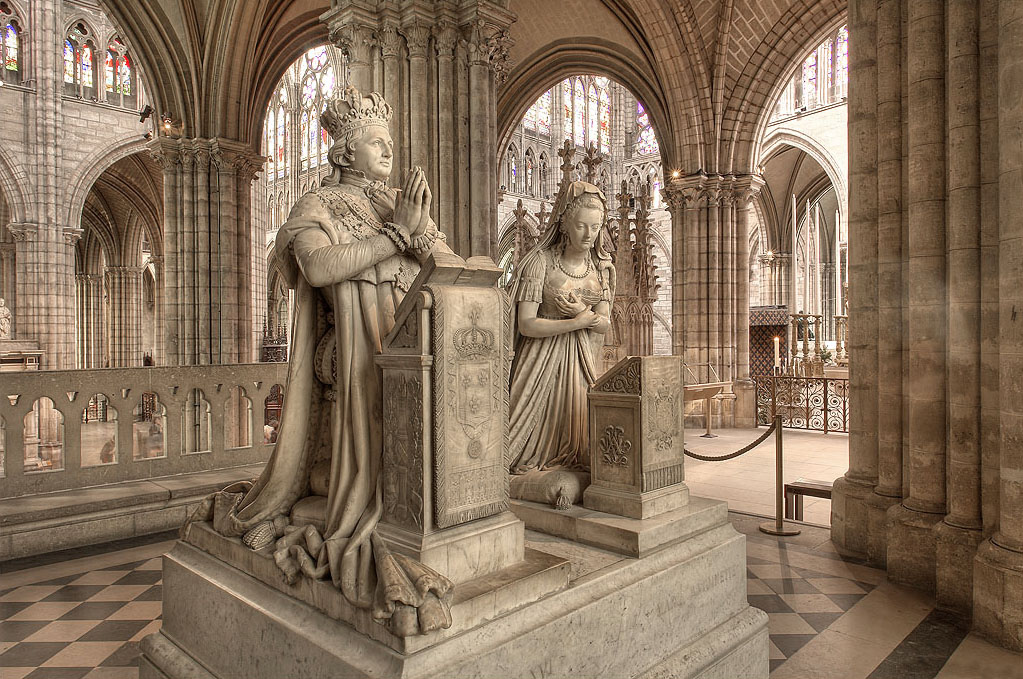
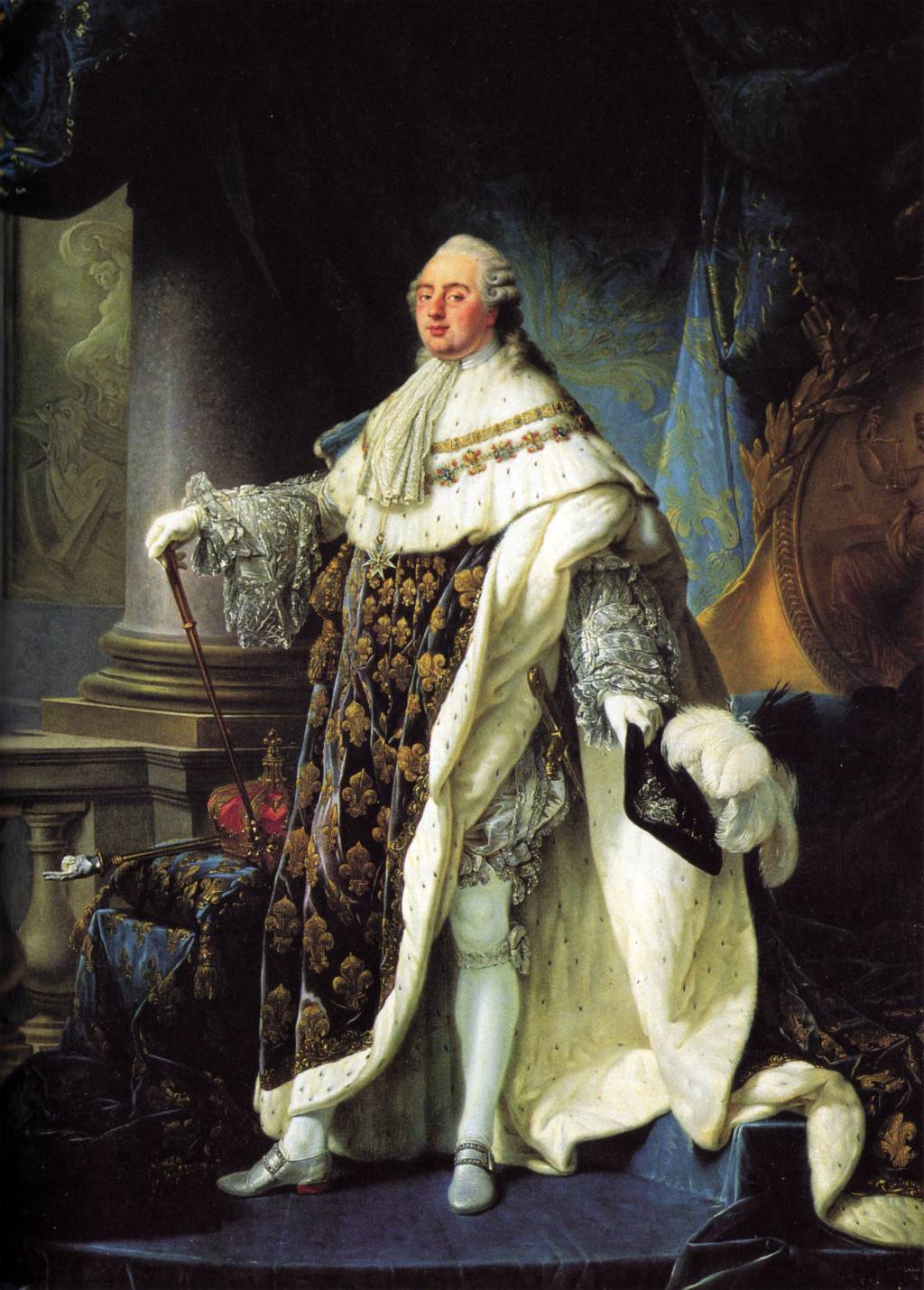
King Louis XVI of France married Marie Antoinette, and together they lived in luxury, at the palace of Versailles while his people suffered. King Louis ruled as an absolute monarch.
He believed in the 'Divine Right of kings' (that the King is a messenger from G-d and was put on the throne by G-d and only G-d can remove him from the Throne and not the people). A question arises : Should the social and Political factors have resulted in a Revolution of a country?
For the upper classes life was easier as they had privileges that peasants and third estate never had. For example, First estate and clergy could hunt and fish for sport but third estate could not fish or hunt for food. This frustrated peasants as they were starving and did not have food for their families.
The 1st Estate clergy were divided into an Upper clergy and Lower clergy - The upper Clergy having many privileges and the Lower Clergy being deprived. It was not unknown for a Noble having to work for ends meet every day because he belonged to Lower clergy. Lower clergy (only received 15% of church's income)
Nobles of the Estate made peasants suffer with high taxation, Hard labour and sharing of crops. This caused hatred amongst the peasants but they could not do anything about it due to the fact that they were uneducated. Their dislike of the upper classes kept building up which leads back to the question of why did the revolution happen. It is easier to understand, when realising that 95% of France's population lived in poverty.
Nobles of the Sword (who's ancestors were knights) lived at Versailles despite being uneducated and unqualified. The situation...
More The French Revolution
essays:
What were the causes for the French Revolution? (suggestion for improvement: add the calling of the Estates General and the subsequent split which led to the National Assembley)
... influential factors which led to the French Revolution were France's social and political inequalities and its financial difficulties. By 1789. France was an absolute monarchy with a weak monarch. King Louis XVI was incapable of strong ...
The major causes of the French Revolution
... debt, which was, at the time, already too high" ("Underlying Causes of the French Revolution"). Louis XVI's extravagant spending led France to face bankruptcy, which greatly attributed to the financial crisis ...
French Revolution - What were the causes of the downfall of Louis XVI?
... 1790s France was in total chaos. France was ruled by the Bourbon family King Louis XVI from 1754 to 1793, it was an absolute monarch and they had absolute power ...
Legacies Of The France Revolution
... the French Revolution stimulated profound political controversy and equally profound rethinking of the nature of government itself. Because the revolutionaries aimed to rebuild government from the foundation upward, substituting reason for tradition and equal rights for privilege, they ...
The Coming Of The French Revolution
... The French Revolution was set up and ran off of many different factors. The social structure of France was set up into three estates in which the church members and nobility ganged up on the commoners. This greatly upset the 3rd ...
The Impact of Napoleon Bonaparte
... improve Frances education system during his reign. Before the revolution, during the rule of Louis XVI, schools were run by the Church and they taught respect for elders and religion. Only the privileged members of society ...
To what extent was Louis XVI responsible for the revolution in France from 1789 to 1792?
... The French revolution took place in France from 1789 to 1792, during the reign of King Louis XVI. It was an expression of discontent from the poor towards the rich, and of how they thought France was governed unfairly. The revolution ...
The Diary of Marie Antoinette
... of France). I am currently 19. I became queen when I was 18. I was not ready at all for the challenges (Spano). When I turned 15 in 1170, I got married to Louis, now called King Louis XVI (Marie Antoinette ...