The International Criminal Court
In times of cultural flux and massive societal change, when societies are coming to terms with entirely new political realities the question of how to deal with the sins of the past can fall by the wayside. Often, the successor regimes are in precarious political positions that make any serious attempt to prosecute the offenders of the previous regime for crimes against humanity or any other human rights violations that may have occurred on their watch. Vast injustices were often committed under the strict authoritarian regimes of places like Argentina, South Africa, and Serbia, yet the perpetrators of the atrocities find themselves free of possible prosecution due to the relative security of their positions. The coupling of power transfer with some form of amnesty for the offending regime is particularly effective technique for ensuring freedom from punishment. But the moral imperatives is toward justice, some form of punishment under which the offenders must be held accountable for their crimes. If the position of the successor government is too precarious for any form of prosecution, then there is also the loss of a deterrent factor. When human rights offenders are confident in their impunity from the rule of law, there will likely be more human rights violations and genocides in the wake of future dictators. Not only is deterrence a concern, but there is also the problem coming to some form of legally legitimate form of censure and condemnation, a true notion of justice free from the constraints of victors' justice imposed from above.
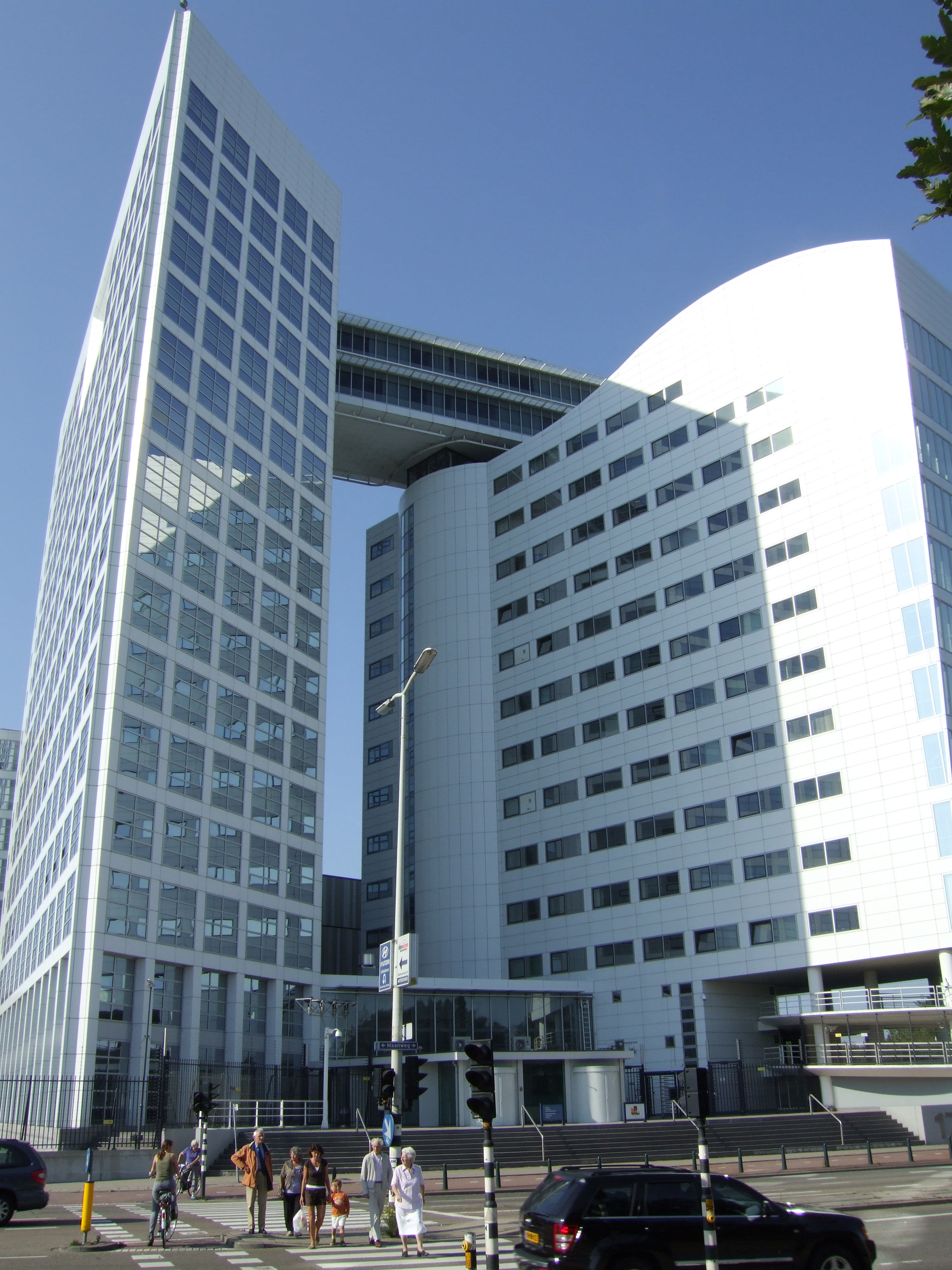
One option is for the imposers of genocide, those who were responsible for atrocities and abominations of the state against man be held to a higher power, an outside and impartial court that can weigh heavily on the crimes without concern for the...
Reviews of: "The International Criminal Court"
:
More United Nations
essays:
'The UN has failed in its central role, the maintenance of international peace and security." Discuss.
... cooperate internationally in solving international economic, social, cultural and humanitarian problems and in promoting respect for human rights and ...
What are war crimes and how can they be punished?
... where international law would be adhered to, and cases regarding genocide, war crimes, and crimes against humanity could be tried. The court began issuing its first arrest warrants last year for war criminals in ...
Should the United Nations be called on to legislate Transnational Corporations?
... for Human Rights; the United Nations EnvironmentProgramme; the International Labour Organization; the United Nations DevelopmentProgramme; the United Nations Industrial Development Organization; and the UnitedNations Ofce on Drugs and Crime.12When Annan presented the Global Compact, he positioned ...
United Nations
... a crime against humanity'. The campaign, which ranged from an arms embargo to a convention against segregated ... as Human Rights Day. Two International Covenants one on economic, social and cultural rights and the other on civil and political rights which ...
Presidential Ranking - Factors involved in rating presidential approval.
... all, political opinion singled him out as an active-negative type during his earlier political positions. There ... inefficiency' claims. His basic premise was to install a Supreme Court that would wholeheartedly back his sweeping democratic changes and his "New Deal". This ploy failed however, and the ...
The Restructuring of the United Nations
... II atrocities and genocide led to a ready consensus that the new organization must work to prevent any similar tragedies in the future. An early objective was creating a legal framework for considering and acting on complaints about human rights violations ...
Politicians
... how politics is morally corrupt. It typically means we get to see the superficial image-oriented campaigning, negative attacks against one ... was only a massage. 'Chuck Robb lived a lie and violated his oath of good faith to the people,' writes Richmond ...
The Impossibility of International Government
... rebel against the government, however in a world of superpowers, the chances of creating an army of such caliper is next to impossible. The strength of the force could only lead to more bias' and prejudices within the international regime as ...
References
Great paper, but no references. I wanted to read the reference for a paper I was working on to take mine in another direction.
0 out of 0 people found this comment useful.