Major depressive disorder, sometimes referred to as Unipolar Depression, describes a leading disruptive mental state which effects about 10-20 percent of the world's population in the course of a lifetime. This disorder must be regarded as a significantly important state, as it strikes its victim psychologically, socially and sometimes even physically, impairing normal daily behaviour.
Understanding Major Depressive Disorder
HISTORY:
Out of the many mental illnesses that have either arose or been discovered, depression has the longest background in history. Societies and cultures throughout the ages have noticed depression, classifying it as an illness, as a symptom to a disease, as insanity, unaware as to why the despondency and mournfulness had come about or what to do to alleviate this state from its victim.
The first obvious and direct reference to depression, or major depressive disorder (as it is now referred to), was conveyed by Hippocrates in 400 BC, who labeled this disorder "melancholia".
 English: Abraham Lincoln, the sixteenth President ...
 Published by the American Psychiatric Association,...
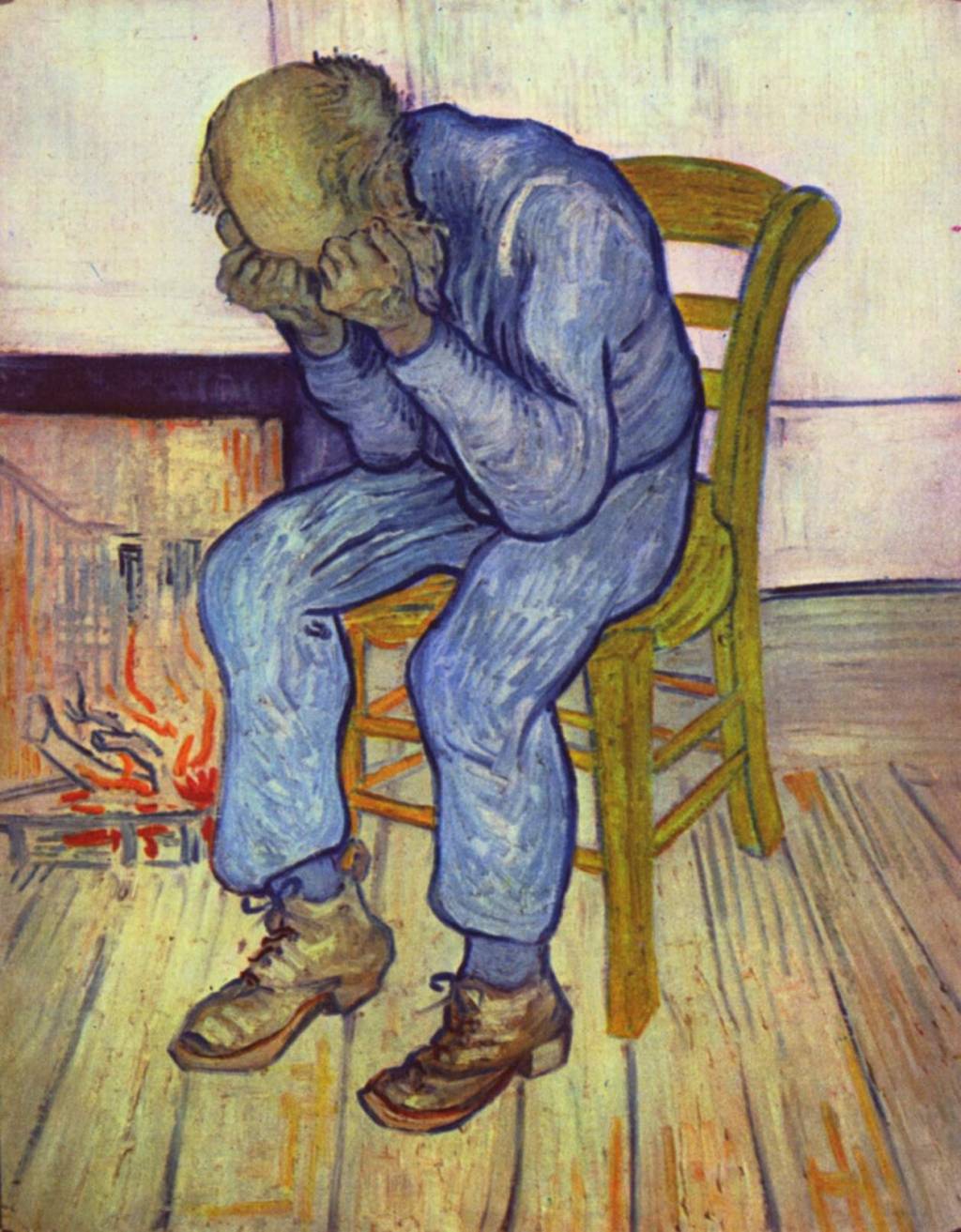 On the Threshold of Eternity
This term was later referenced to in about 30 AD by Aulus Cornelius Celsus. Aulus Cornelius Celsus wrote in his monumental 15th century encyclopedia De medicina (which is now regarded as one of the greatest medical classics, though it was predominantly disregarded by his contemporaries) about his belief that melancholia was caused by a physical affliction of black bile. Later, in the 12th Century, Moses Maimonides, a redoubtable Jewish philosopher, jurist and physician, claimed that melancholia was in fact a singular disease, not a symptom, side effect or mystical occurrence.
As scientific methods and theories developed over time, the concept of depression, though it lost its classification as melancholia, remained one of controversy, with different arguments as to its cause and cure, and surely will continue to be debated upon for centuries to come.
EPIDEMIOLOGY:
Major depressive disorder is a common disorder paining both women...