Military Intelligence.
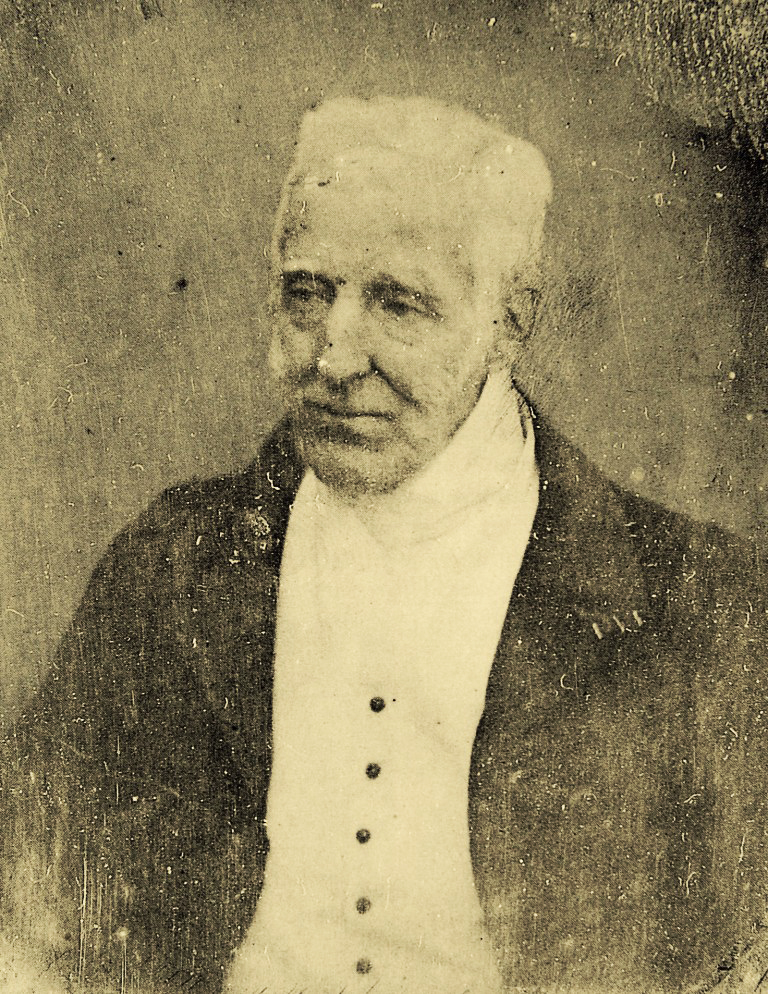
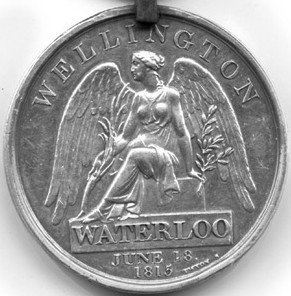
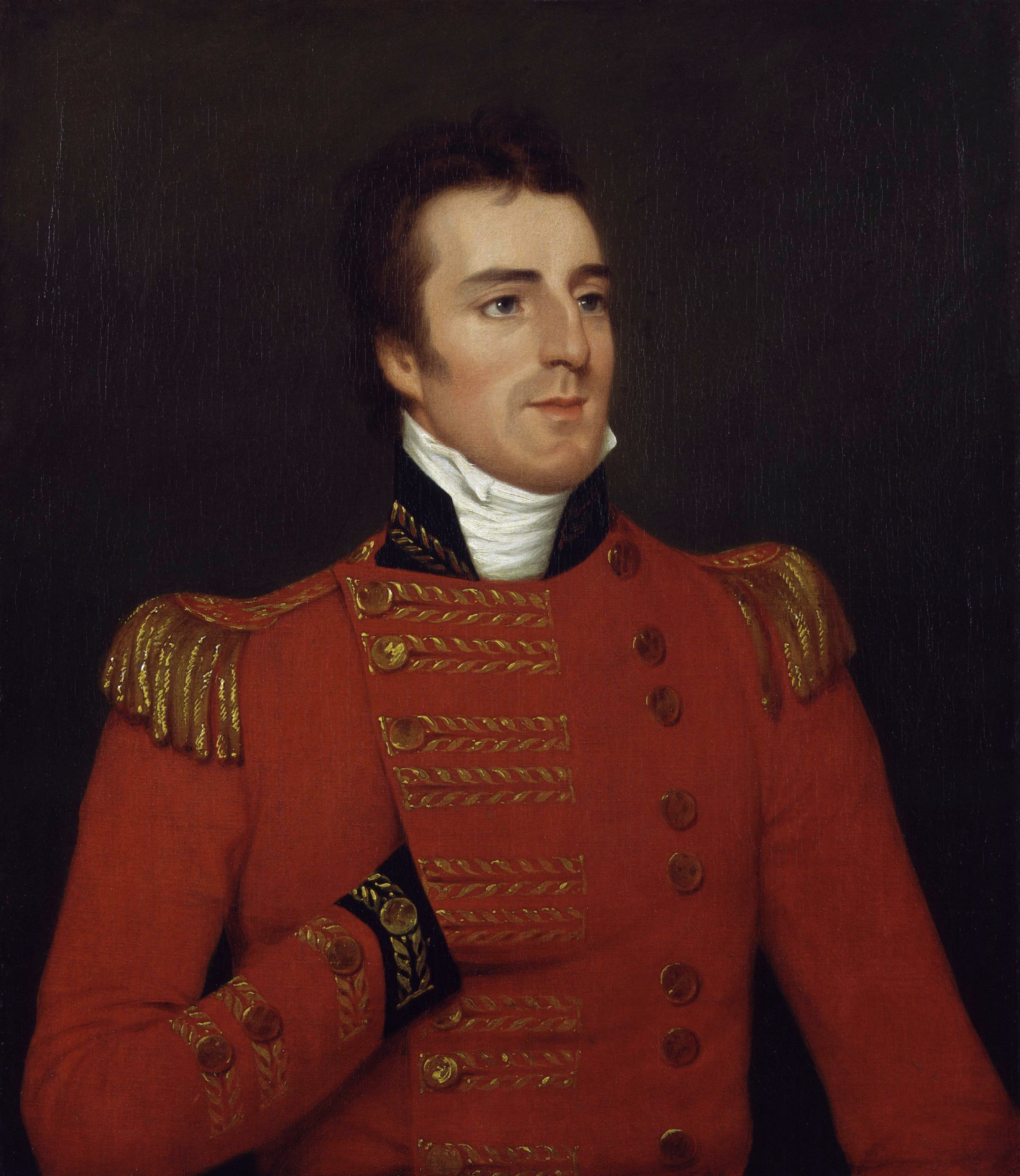
What is military Intelligence? Intelligence is the subject of many myths and misunderstandings. It is not the same thing as "spying", but it may use information from spying. It is not even just about "secrets", but most of what it does will be secret. So if that is what military Intelligence is not, then what is it? Personally I feel that the Duke of Wellington (famous for defeating Napoleon at Waterloo) said it best:
'All of the business of war, and indeed all of the business of life, is to endeavor to find out what you don't know by what you do; that's what I called guessing what was on the other side of the hill.'
The Webster dictionary describes Intelligence as "information, news; collecting information, esp. that of military value". In short, Intelligence is just the process for finding out what needs to be known.
Decision makers need knowledge that is focused on the decisions they have to make, accurate, and tells them what they need to know. Intelligence is all about - gathering information, sorting through the resulting data, piecing it together, drawing out the right conclusions, and feeding it to others. To do all of these things, over the years intelligence professionals have developed what is called the intelligence cycle.
Over the past 228 years, The US Army's Military Intelligence Corp has changed by leaps and bounds, mainly due to the advancement in technology. In 1776, intelligence was gathered by primitive means i.e., word of mouth and eye sight. In more modern times, spy planes, long range view finder, wire taps, and operatives in place within enemy lines (in some cases with in there ranks), to gather inelegance.
More Military & International Conflicts & Security
essays:
Making friends with the enemy. Is it wrong to associate with prisoners of war that are from the other side?
... family members close to them. This patient is soldier, and a prisoner of war who is fighting for our enemy. He should not be treated any differently than the other prisoners that we have captured, nor any differently than any prisoner ...
War engaging with America and Iraq.
... to war with Iraq may have seemed like a good decision on 9/11, but this is not the past and America needs to move on to a more improved society. Of course, there is an opposing side to ...
Privacy issues related to government uses of satellite Echelon.
... conduct secret searches of Americans' homes and offices" (ACLU) "Strict limitations were placed on the ability of intelligence agencies to collect information about U.S. citizens in the 1970s in the wake of Watergate and other abuses ...
Justifying The War In Iraq: At What Cost?
... act of war. Though it must be conceded that hindsight has made this more clear than it was to begin with (nobody knew at the time that they were looking at faulty intelligence), there ...
The Bush Administration¹s Relation With Iraq Prior to Iraq¹s Invasion of Kuwait
... threat of military opposition from the US. Nonetheless, more than any other blunder, the Bush Administration failed into by falsely believing that Hussein could be appeased into a better behavior. Intelligence information was ...
A Study of Warfare in Europe Between 1300 and 1500
... conditions of war, expected a master of artillery to provide his own cannon." On a national level, the introduction of guns further widened the gap in military potential ...
Describe the origins, developments and consequences of a current conflict.
... both sides gained by cooperating in the economic development of mineral deposits. 1965Ahmed Ben Bella was removed by military action ...
About role of the United Nations in the changing World.
... some information about the UN system: The basic structure of the United Nations is outlined in an organizational chart. What the structure does not show is that decision-making within the UN system is not as easy as in many other ...