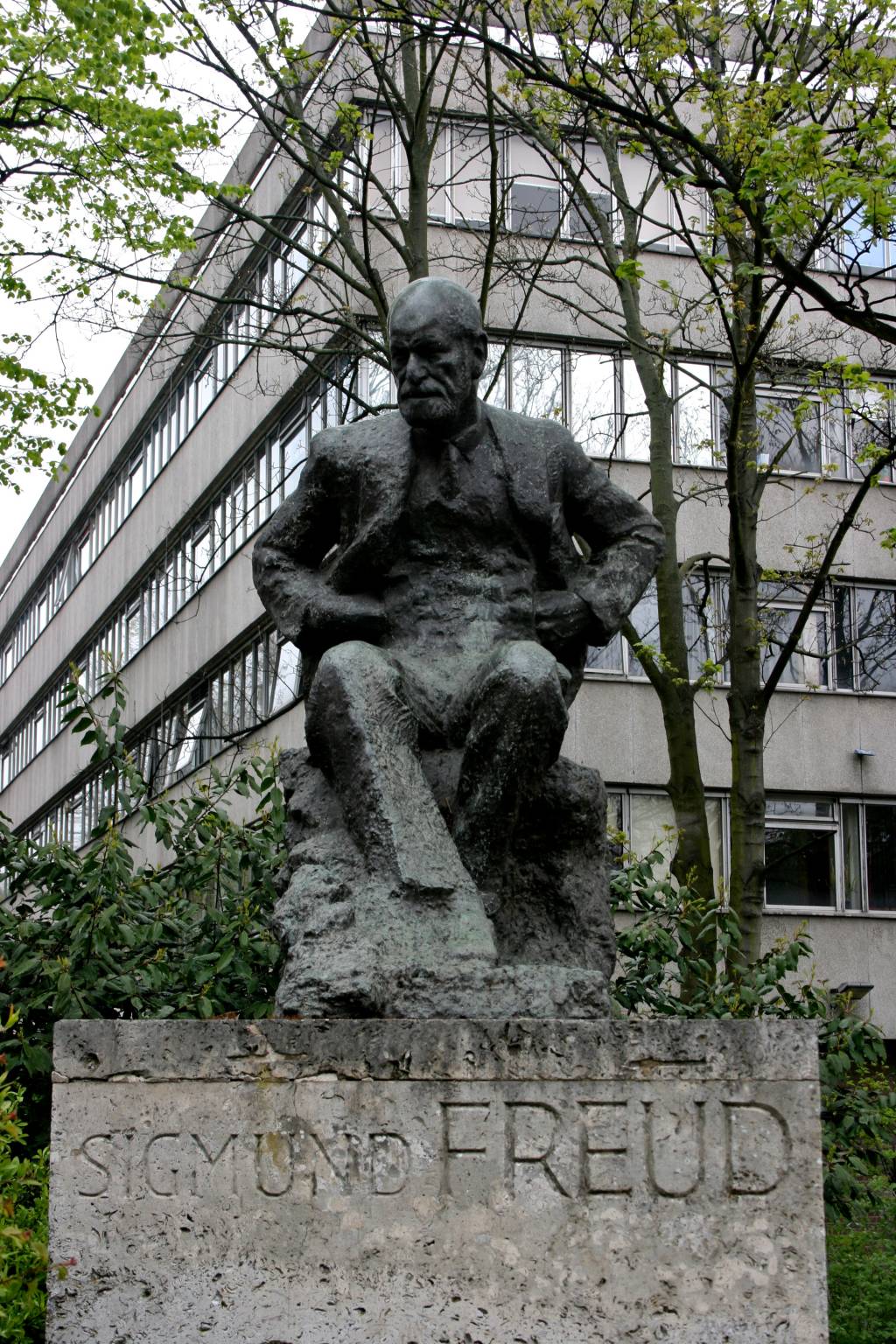
Pleasure and Aggreshion. Related to Freud
Based on Freud concepts of pleasure and aggression, discuses Hay
Ibn Yaqzan and The Island of Animals
It is said to be that seeking pleasure and aggression are a part of our
human Instinct. We seek pleasure to shorten the time of our unhappiness.
We live in a constant struggle to be always happy, and we use all the ways
that take us to happiness. Aggression, on the otherhand, is a part of our
human nature, which can be hidden deep down in our subconcousnes and
explodes in certain situations, or it can be on the surface of our behavior and
inconstant use. Sources of happiness may differ from one person to another,
but the one source of our human gratification that we all agree upon, is the
happiness derived from sexual pleasure. Our souls strive for sexual pleasure
to be elevated from one degree of human happiness to another. Freud said

that "what we call happiness in the strictest sense comes from the ...
satisfaction of needs which have been dammed up to a high degree, and it
is from its nature only possible as an episodic phenomenon." (25). At the
sametime, we explore those human instincts in the presence of civilization
which set some rules and regulation that are surpassingly acting as guidelines
for the survival of humanity. Hay Ibn Yaqzan and The Island of animals, are
two different human experiences that discover our two core human instincts,
pleasure and aggression. In Hay, we will find that his journey with his own
instincts is different from our own human instincts, but it is the same when it
comes to the roll of civilization with dealing with them. On the otherhand,
The Island of Animals tends to dig in our human aggression, and shows how
humanity uses civilization as...
More Classical Philosophy
essays:
Evaluate Aristotle's argument(s) for his claim that happiness (eudaimonia) is the goal of human life.
... family etc. As stated earlier, Aristotle believed happiness to be the goal of human life. But to be happy, one must live the good life ... as one must always be suspicious of pleasure, which was something Aristotle associated with the basest of animals. Man must learn to control his natural inclinations ...
What is Happiness?
... pursue happiness and personal well-being. In pursuit of happiness he trusts that reason and nature interact as one. The article from the catholic encyclopedia states “…nature is human nature as ...
This 7 page essay describes the Judeo-christian, Freudian and Evolutionary views of human nature.
... by instincts or drives, which he considered to be the "motivating forces" of the brain. (Handout 156) Freud's view of human nature also included the theory of developmental accounts. He believed that our "personality depends ...
Aristotle and The Human Good This is an essay on Aristotles arguement that happiness is the highest end of human good. I argue against his points and give details why
... the happiness of man can be defined by determining the function proper to man. This function cannot be one that plants and animals also perform, because it must be particular to human beings ...
Epicurus and his theories on peoples pursuit of happiness
... true happiness. In pursuit of "the happy life," Epicurus leads one to make the claim that: 1. Pleasure is the motive of human action and the first, natural, and ... to happiness as a Socratic view would hold. While satisfaction of these pleasures brings happiness, it ...
Jean-Paul Sartre the Existentialist, Sigmund Freud the Determinist, and Victor Frankenstein
... Sigmund Freud would attribute much of Victor Frankenstein's behavior to repressed sexual desires. Existentialists have three fundamental arguments that define them as such. One being that, in relation to other philosophies, human nature as ...
Critically Examine Aristotle's Understanding of the Good and its Relationship to Human Function
... life. One further question about Aristotle's function argument is concerning the methods of deriving conclusions about ethics from facts about human nature. There ...
The Trickster - Karl Jung archetype.
... quite human nature of the trickster. Q, as you would expect from a trickster, loves putting the arrogance of humans in it's place. In one episode ...