Should human stem cell research be banned? Medical Ethics term paper discussing both for and against stem cell research also including an introduction, and conclusion.
Introduction
One of the most significant medical discoveries of the 21st century is the use of embryonic stem cells in research and treatment of conditions that are considered incurable. Embryonic stem cell research raises many questions in morals and ethics in the medical community.
The question, "should human stem cell research be banned?" will be the focus of this discussion. Both the arguments for and against stem cell research will be introduced in this essay in regards to the ethical questions that can arise from the culturing of human embryonic stem cells. There will also be an emphasis on the benefits that can come from this type of research.
What is Human Embryonic Stem Cell Research?
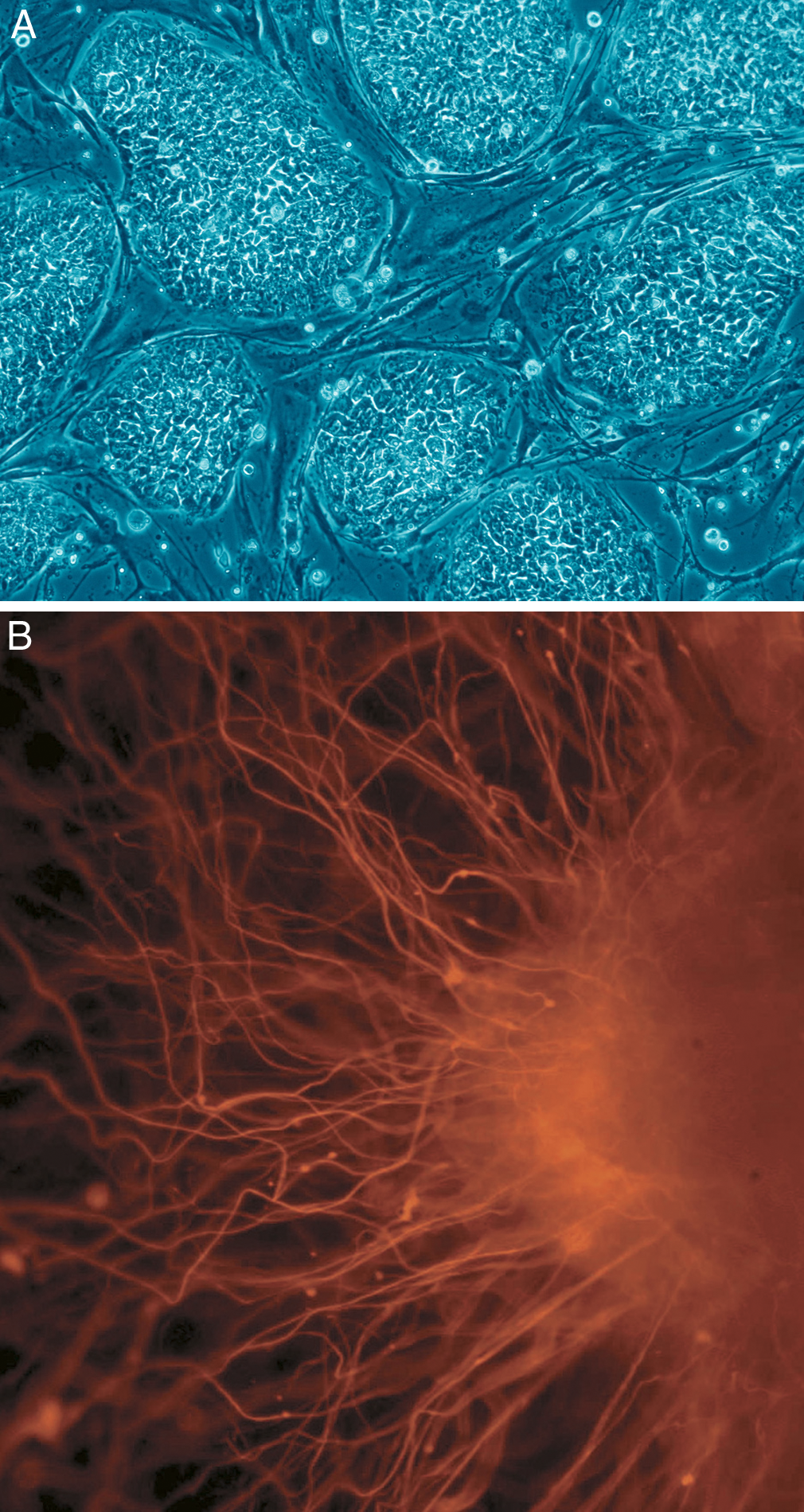
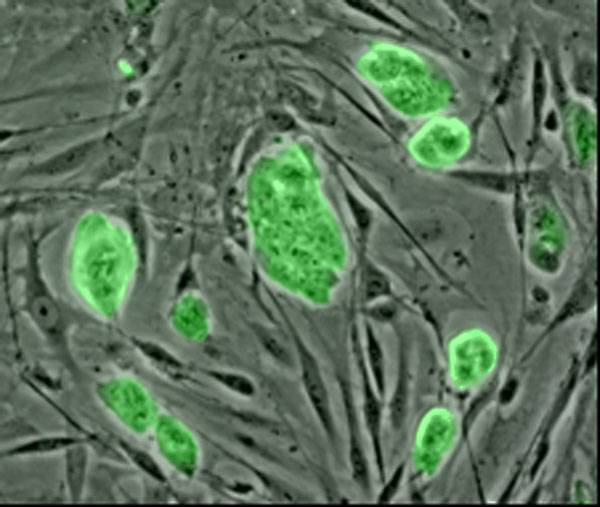
Before getting into the moral and ethical issues of this subject, we must first understand exactly what human embryonic stem cell research is. Human beings, like all animals, have stem cells that hold the ability to constantly renew themselves. Stem cells found in human adults mature into very specific cells, for example, heart, blood, and brain cells. The exciting discovery found in embryonic stem cells is that they are pluripotent; they have the ability to develop into almost any cell type. These are the cells that are found in a four to five day old embryo.
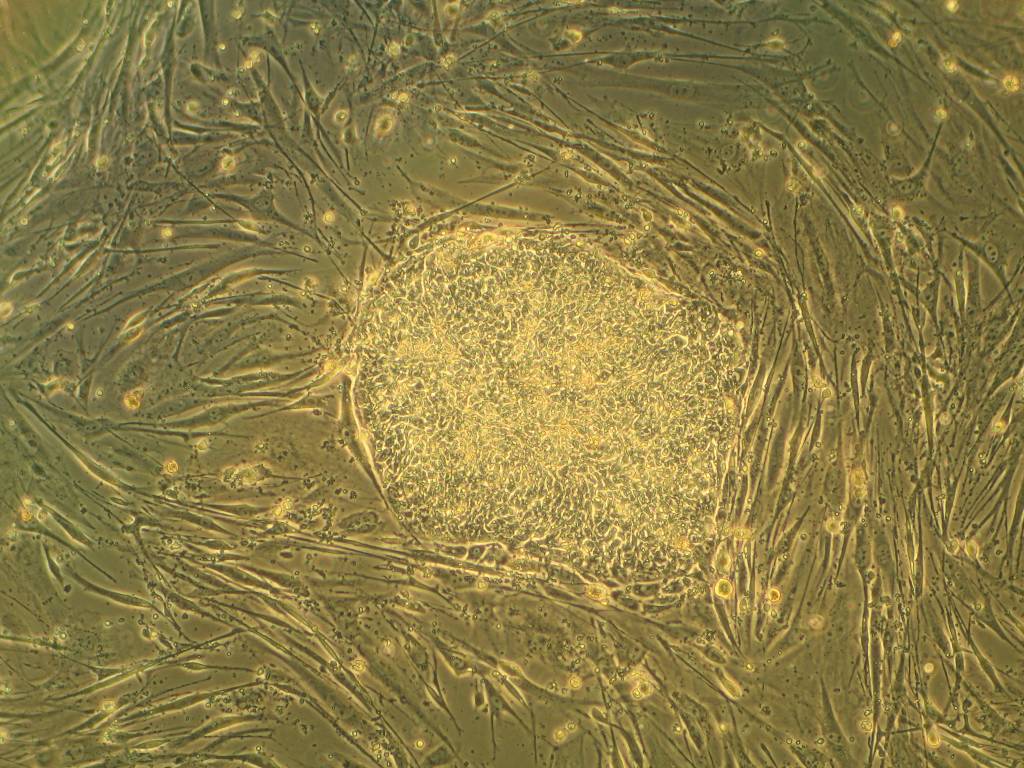
The idea is that these highly adaptable stem cells could possibly be used to develop new cells that can be used to replace cells that have been damaged from injuries, such as spinal cord injuries, or diseases, such as Alzheimer's or Parkinson's. These stem cells could also be used in research to create new drugs to treat these and other conditions.
Currently, stem cells for this type of research are obtained from aborted fetal tissue, excess embryos from infertility treatments, and in some cases, embryos created specifically...
More Biotechnology
essays:
Stem Cell- clearly describes the benefits of stem cell research to modern medical research and advancement- done for a high school Anatomy/Physiology class-5 pages
... NIH and Health and Human Services Secretary Tommy Thompson are working hard to move human embryonic stem cell research forward ...
Why are Stem Cells so controversial?
... of human life? Stem cell research is a hot button. It is controversial. It has both negative and positive sides. The key moral or ethics problem of the embryonic stem cell research is ...
Stem Cell Research
... no ethical compromise - only gain for the betterment of mankind. References: Antkowiak, L. (2001). Understanding stem cell research. Retrieved May 2, 2005, from http://www.NRLC.org. Conte, R.L. (2004). Against embryonic stem cell research: the ...
Genetically Modified food should not be banned
... solve this issue. Therefore, the Genetically Modified food should not be banned for several reasons. In addition to the fact that Genetically Modified food already provides benefits to us, there are several considerable profits to agriculture, environment and human health. Genetically ...
Living Drugs: application of genetically modified viruses in cancer treatment.
... consideration and government monitoring of the genetic research. Also, many type of the viruses, such as the influenza virus and HIV which cause AIDS on human, are ...
GE Foods: Are organics really a better solution?
... The issue can stem all the way down to creationism vs. science. Though both sides have their pros and con ... time and again that organic foods do not have added health benefits, and some researchers have ...
The Benefits and Risks of Transgenic Crops.
... of crops can bring about enormous economical and medical benefits to the society, but our new-found power should only be used wisely with consideration to the complex moral issues and significant ecological impacts and risks that may arise. (Byrne, P ...
Research into Human Cells Has Vast Implications. this essay discribes the effect stem cell research has on society.
... hybrid cells. Ethical and legal issues have also come to the forefront of discussions about the future of stem cell research, the most promising forms of which involve experimentation with human embryonic and fetal ...