The so-called 'Road Map to Peace' looks in many ways more like a 'Road Map to War'. How far would you agree with this assessment of US efforts to settle the Palestinian Question?
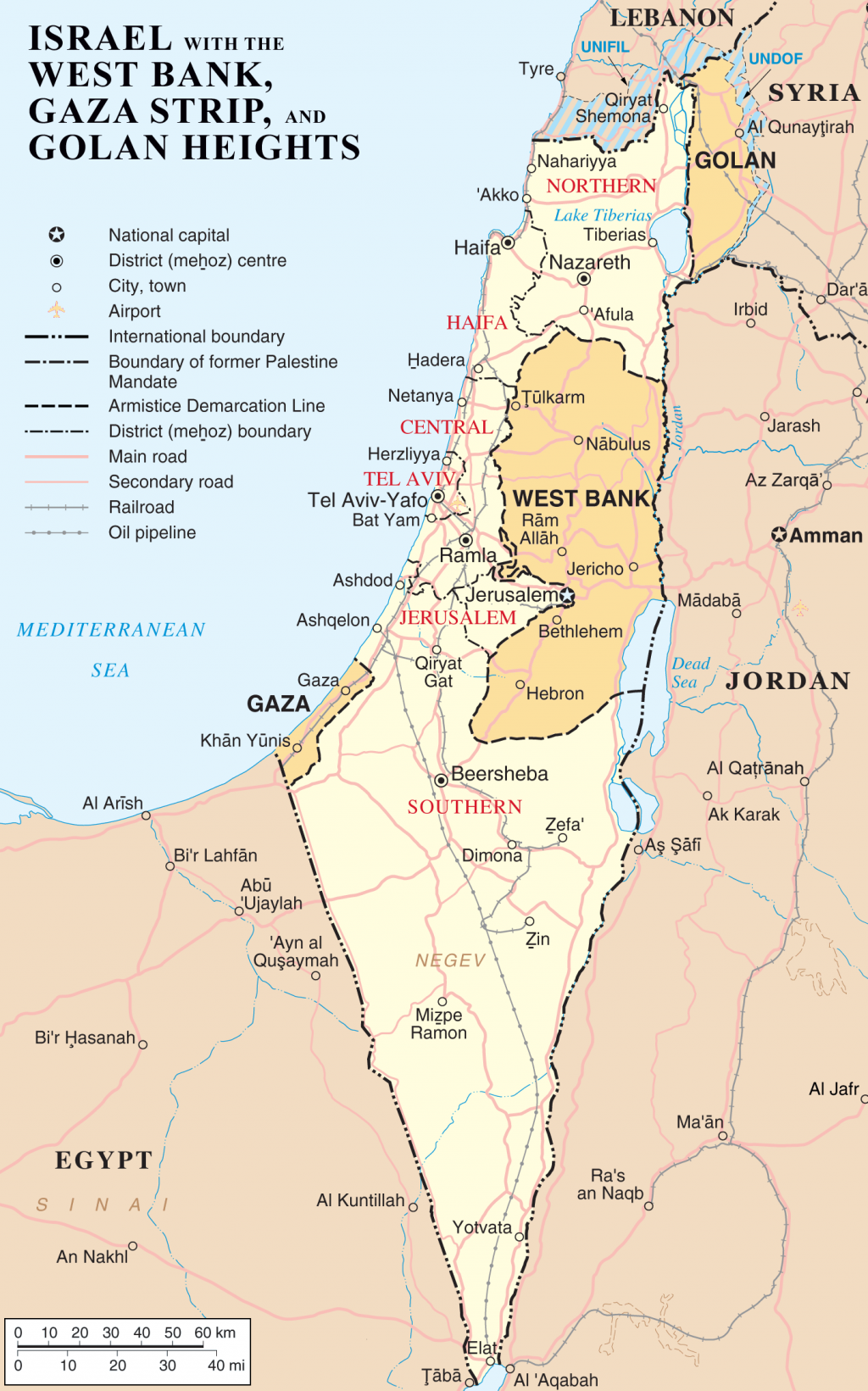
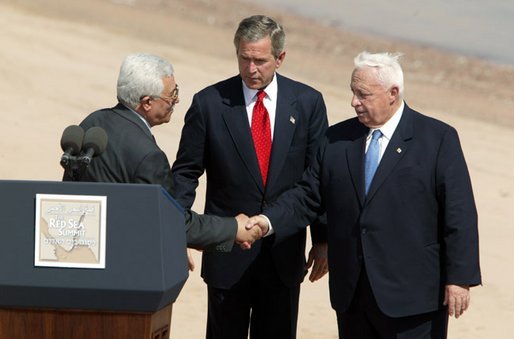
On September 17 2002 the Bush Administration made the unprecedented move of acknowledging the Palestinian right to a state - the first time any US government had done so, and with the backing of the UN, the EU and Russia (the 'quartet') the 'Road Map to Peace' was shaped - a plan that would result in an independent Palestinian state alongside Israel. It is no secret that the US have been a strong supporter of Israel. The legitimacy of a US-backed peace plan, then, can be seriously questioned. The 'Road Map to Peace' is clearly biased, and while Israel ignore and refuse to adhere to elements of the 'Road Map' the US look the other way and in some instances actually validate Israel's actions. The peace plan puts a high amount of pressure on Palestinians who clearly don't have the strength or resources to carry out the plan. The plan states that Palestinian militant groups must disarm, but if the Palestinian Authority (PA) tried to enforce this it could lead to civil war. The road map specifies that by 2005, the Palestinians would have their own state. It is now nearing 2006 and any vision of a Palestinian state is looking more remote as Israel usurp more land by the day. Since the introduction of the road map the country has continued to see the endless cycle of suicide bombings and Israeli retaliation - the violence that permeates everyday life in Israel/Palestine, but no road to peace.
Only war.
The aim of the Road Map to Peace is to end the Israeli occupation of Palestinian territory that began in 1967, in accordance with UN Security Council resolutions 242 and 338. The Road Map is divided into three phases- the first phase states that Palestine are to cease all acts of...
More Middle Eastern History
essays:
Lasting Peace Between Arab and Jew.
... Though Israel has been trying, with the help of the Bush administration, to charter a road map for peace and reconciliation, the Palestinians are ...
How did the 1975 Lebanese Civil War start? What were the main causes? What were the main conflicting ideologies?
... unarmed Palestinians on board a bus got slaughtered in the Ain El Remaneh region, buy supporters of the Phalange party. The Lebanese civil war is the result ...
Vikings
... go backwards, all they had to do was to change the sails or row the other way. They had a small draught and could sail in shallow ...
Six Days of War, 35 years without peace The purpose of this paper is to discuss the origins and impacts of the 1967 Six Day War
... use roads that went through or near Palestinian communities, became constant targets of Palestinian stone throwing. On the other hand, Israel was in control of all the areas ... of war, the status of the straits was in no way clear. Secretary of State John Foster acknowledged this ...
History of Arafat and the PLO. Argues that Arafat doesn't represent the best interests of the Palestinian people.
... criticize the Israeli government because of the number of Palestinians being killed. Later in 1988, the Palestine National Council (PNC) proclaims an independent Palestinian state in Gaza and the West ...
Discussion on the Secularism of Turkey in it's politics, culture and international relations.
... Iranian government is providing help to the Kurdish factions in Turkey that are fighting for independence. Overall, Turkey remains isolated from much of the Middle East due to its membership in NATO and its recognition of Israel as a state. Turkey ...
Were the promises and agreements made between the Arabs, French, and British during the First World War which led to the formation of the Middle East compatible?
... that the disaffected Jews in Russia would rise up in revolt against the Turks and help turn the tide of the war. A cause ostensibly championed by Lloyd George. It was under his administration that ... McMahon states in unambiguous terms that Arab independence on the coastal ...
Ottoman history
... in civil actionswarned the litigants that one of them might be more eloquent in putting his case than the other and ... military, administrative, and fiscal reforms. But European intervention in the Greek struggle for independence signaled the beginning of the modern ...