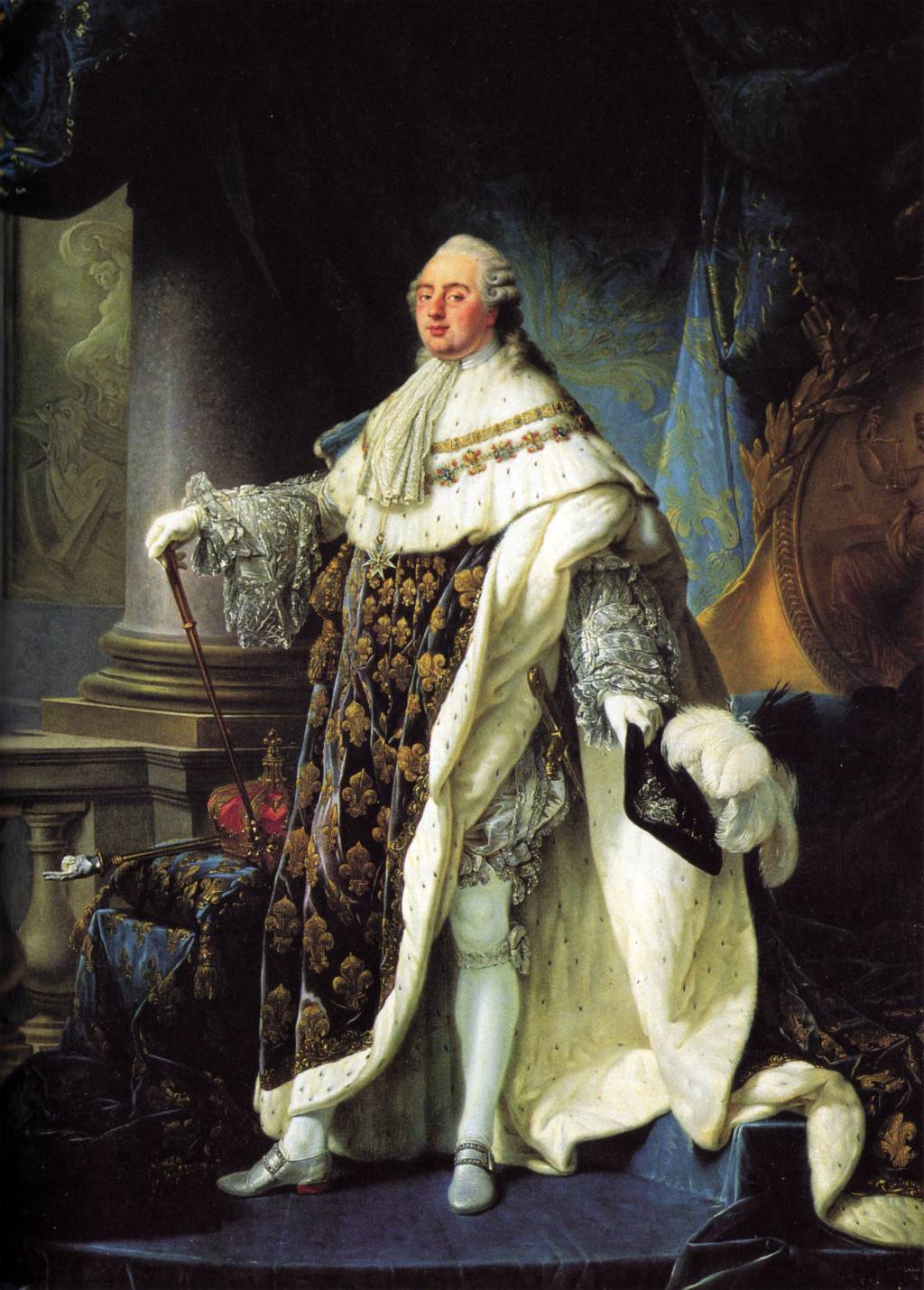
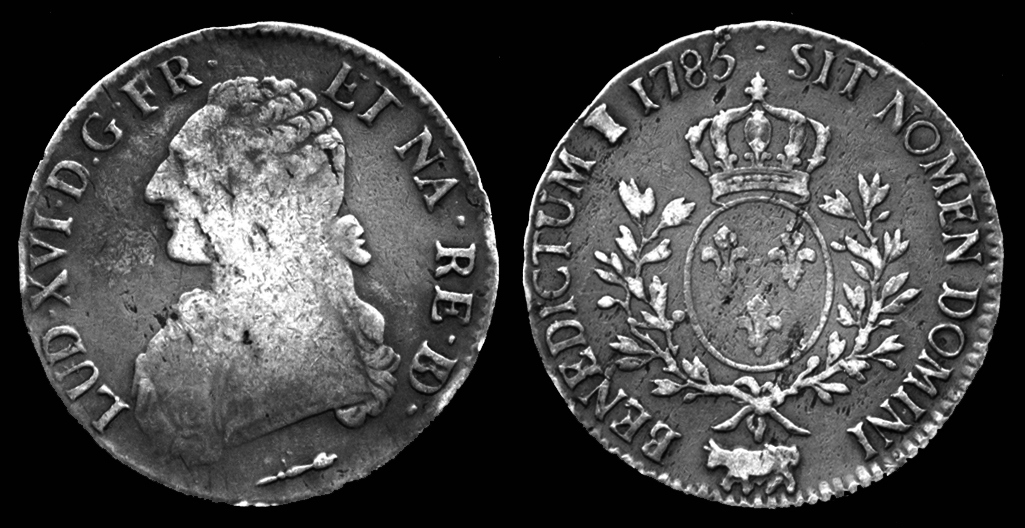
Social factors contributed to the French Revolution of 1789
Although social tensions within France certainly contributed to the revolutionary situation in August 1789 it was not the only contributing factor. Divisions and inequality between, as well as within, the Three Estates created an atmosphere of disharmony while the influence of the enlightenment and liberal ideas fueled the growing discontent of the Estates toward the government and Louis XVI. However, political factors, like the undermining of the Kings power as well as economic factors, such as the chaotic nature of the taxation system exacerbated the social tensions and combined created a revolutionary situation.
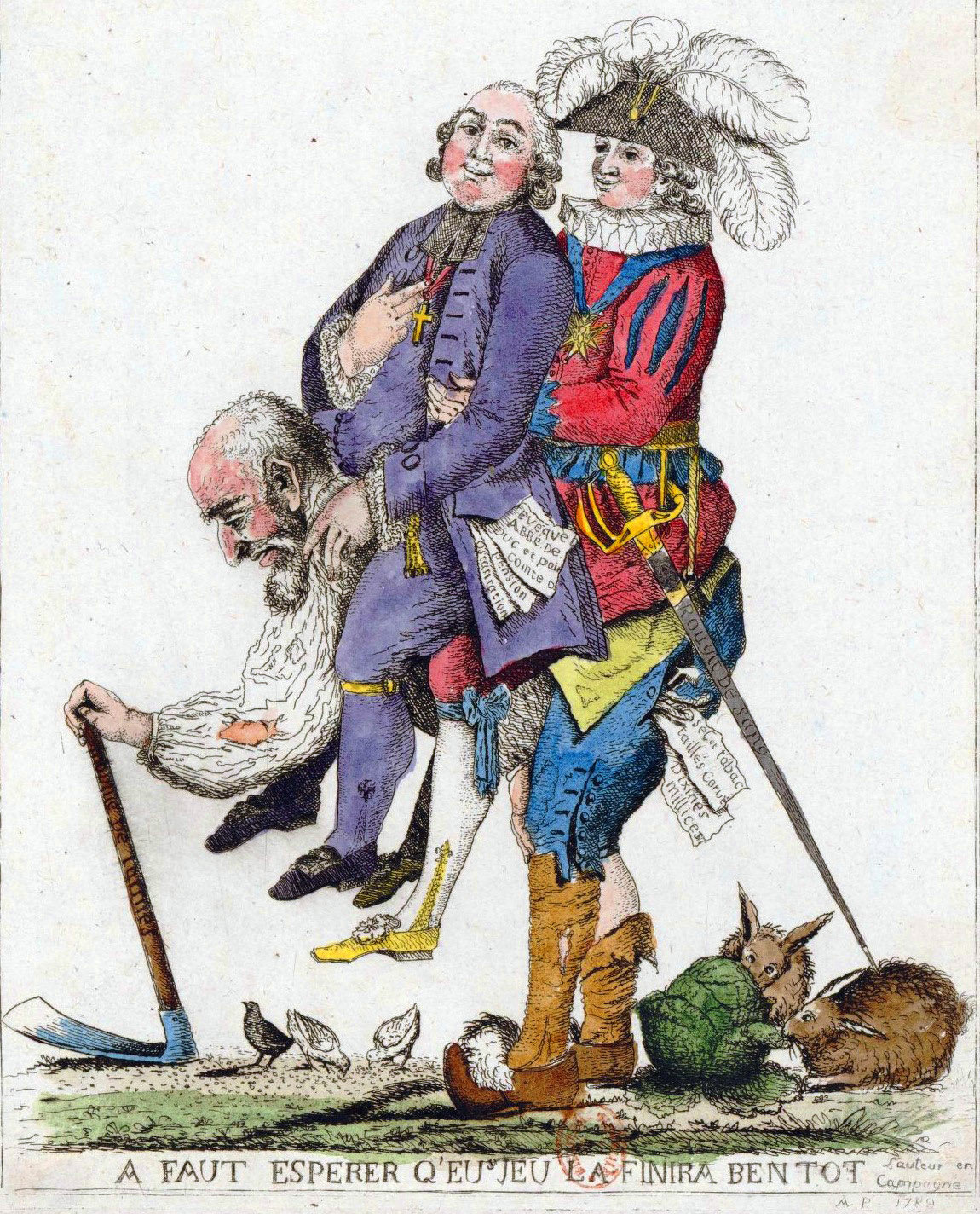
The Ancien Regime was riddled with social inequalities and therefor-growing discontent. Out of a population of around 25 million the First and Second Estates, which consisted of approximately 400,000 members, were largely exempt from taxes, such as the taille and the corvee, despite the fact they were the wealthiest estates. This left the burden of supporting the country to the (overall) poorest estate: the Third estate. Much of the Third Estate were alienated by the Nobility during the 18th C when, because of inflation, they increased feudal dues and sought new ways in which to extract money from the peasants at the same time as rising food prices and bad harvests crippled their incomes. The bourgeois were also prevented from obtaining high-ranking positions in the army, navy and the Church as the Nobility held these. As an added burden to the feudal dues many peasants paid they were also required to pay a tithe, one-tenth of their income, to the church as well as a vingtieme, taille, capitation and gabelle to the government. As the price of food surged their incomes did not, leaving many peasants struggling to get by. This combined with he fast growing population during...
More The French Revolution
essays:
Legacies Of The France Revolution
... politicians, revolutionaries, and political theorists. The Revolution of 1789 gave birth to what soon came to be called "ideologies," a word that was first used during the French Revolution. An ideology is a defined doctrine about the best form of social ...
"The French Revolution Owed Much to the Philosophes". Discusses the part of the philosophes in causing the French Revolution. Also deals with other long and short term causes.
... disproportionate taxation system which exempted nobility and the clergy, the middle and lower classes had to be taxed increasingly heavier. This bred great discontent, and the unfairness of the situation was one of the main subjects brought up when the revolutionaries ...
French Revolution - What were the causes of the downfall of Louis XVI?
... social, economic, political conditions. Also reasons such as the Age of Enlightenment when some philosophers had new ideas of how the country should be ruled, the inequalities between estates, the bankruptcy of the government, the attitude and behaviour of Louis XVI ...
The French revolution - To what extent was Louis XVI responsible for the revolution in France from 1789 to 1792?
... important factors responsible to the revolution. The financial crisis of the government, heavy taxation on the 3rd Estate, poor harvest and enlightenment contributed to the French Revolution the most. Therefore, to a moderate extent is Louis XVI responsible ...
The Extent of Louis XVI's impact on the French Revolution.
... mistress' (Social Causes of the Revolution). Both kings added more to the existing debt pushing France into an economic downward spiral, unemployment went up to 50% in Paris (The Execution of Louis XVI, Eye ...
What were the causes for the French Revolution? (suggestion for improvement: add the calling of the Estates General and the subsequent split which led to the National Assembley)
... influential factors which led to the French Revolution were France's social and political inequalities and its financial difficulties. By 1789. France was an absolute monarchy with a weak monarch. King Louis XVI was incapable of strong ...
The main cause of the French Revolution
... the French Revolution was caused by a political base, with social disorder and economic instability contributing to the upheaval. All of the sub-factors relate ...
The Primary Immediate Causes of the French Revolution.
... s, political and social turmoil, philosophical ideologies of revolution and the state of agricultural economical affairs contributed to the revolutions of 1789. Bibliography ...