In order to answer this question adequately it will be necessary to identify what the Marxist historians feel were the causes of the French Revolution. In doing so I will be able to deduce what factors of the causes can be related to a Marxist perspective. I will also look at and discuss the various roles played by the different factions/classes of society and look at the significance of the transition from feudalism to capitalism examining the social and economical connotations of class conflict and social mobility, both of which are commonly associated with Marxism. I shall consider all of the above from a Marxist perspective using material mainly from Marxist historians such as Soboul and Lefebvre and hopefully show the arguments from the revisionist's school of thought and illustrate how there are criticisms and comparatives which can also be drawn. In doing this I should be able to identify the key issues relating to the topic and by deducing what changes if any, occurred and who were the ones to benefit if any changes did indeed occur, I should then be able to draw a conclusion as to why the Marxist historians see the French Revolution as 'Bourgeoisie'.
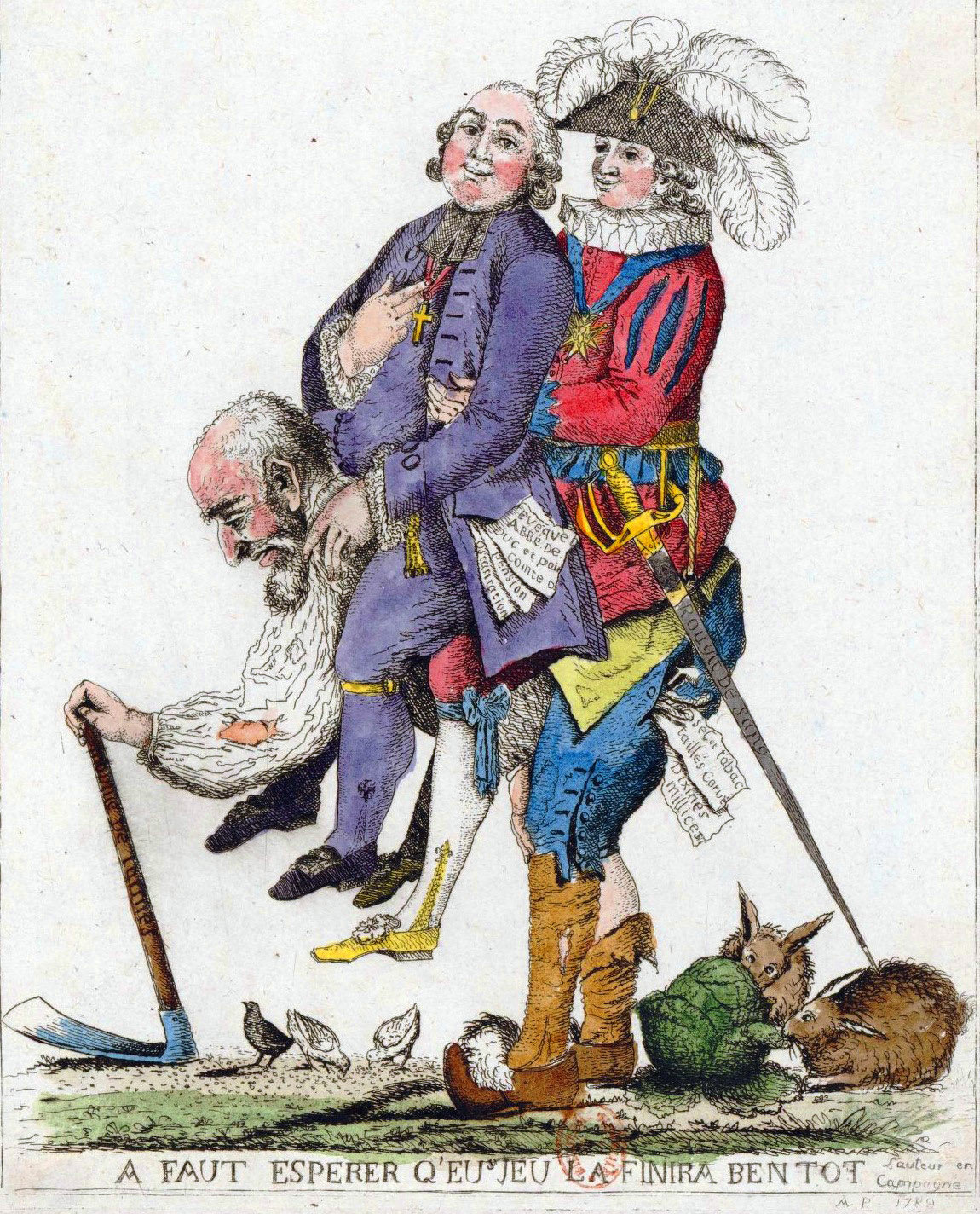 English: The Third Estate carrying the Clergy and ...
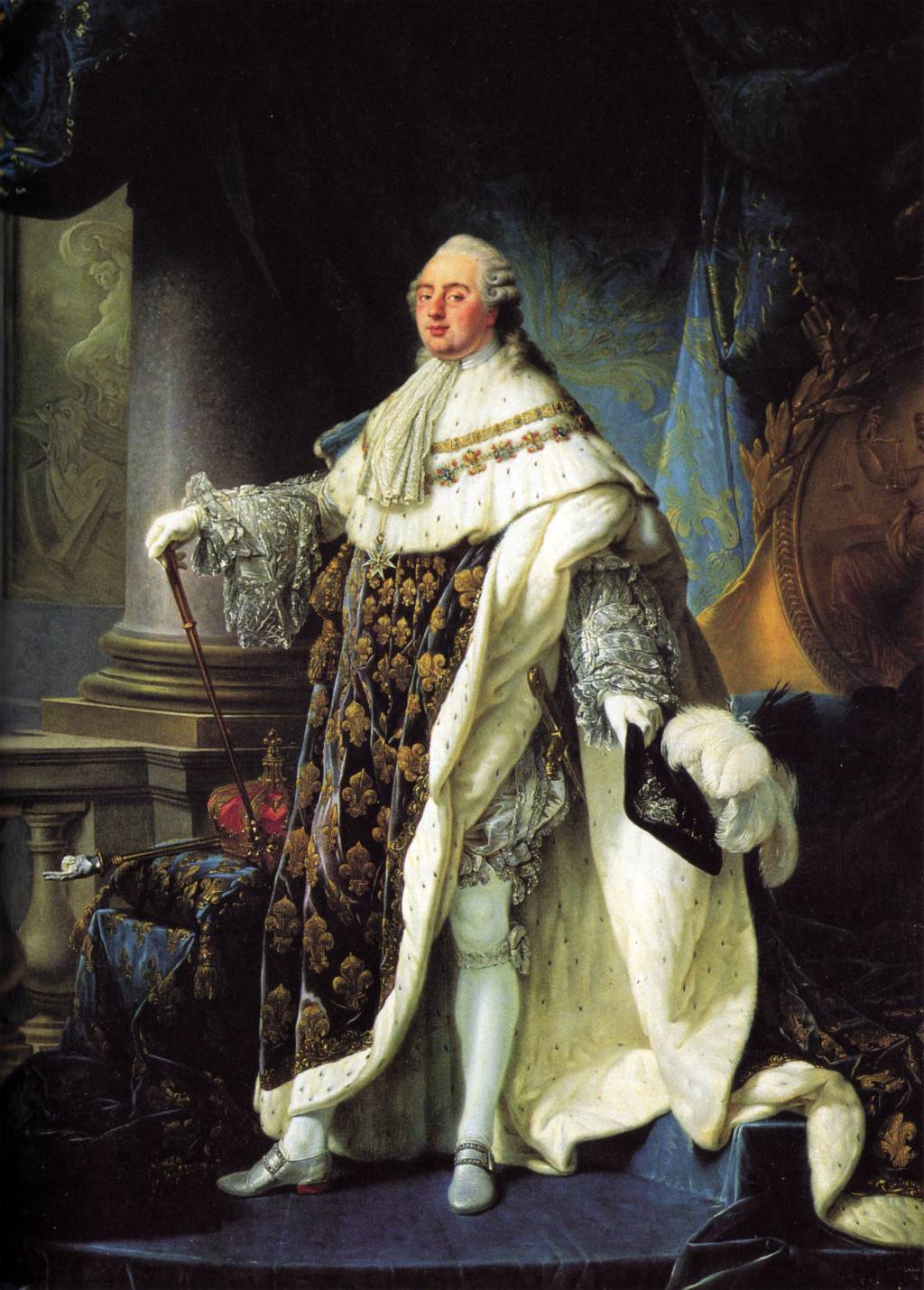 Portrait of Louis XVI
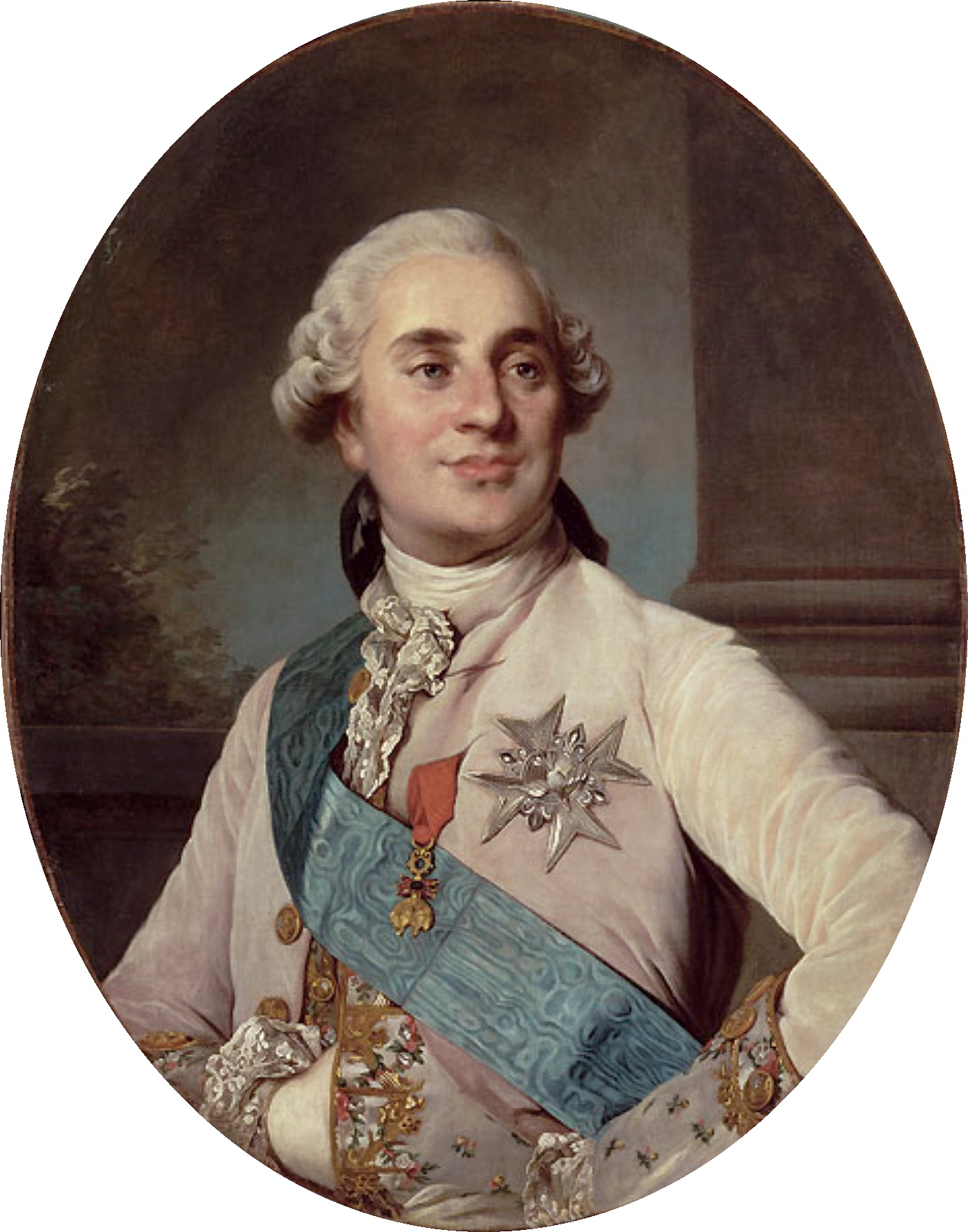 Louis XVI who reigned from 1774 to 1792. Vergennes...
By the time Louis XVI came to the thrown in 1774 his kingdom was deeply in dept. In his attempts to avoid bankruptcy after committing his country to another costly war Louis XVI sold many venal offices and leased out royal monopolies, sadly to no avail. He employed an economist named Jacques Turgot in an attempt to reform the country's financial situation. Turgot instigated a series of reforms that placed a tax on landowners, eased the guild laws so that industrial manufacturing could increase and cut monarchical spending. As most of the landowners were nobility, Turgot only succeeded in offending...
Pretty Good
Good facts. Try not to use first-person pronouns. ("In my opinion") Good job stating the sources.
I would've graded this higher than a 58%.
1 out of 1 people found this comment useful.